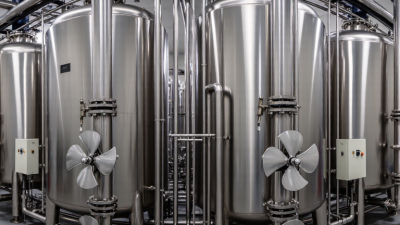
Why Choose a Chemical Mixing Tank?

A chemical mixing tank does more than hold liquid. It brings ingredients together under controlled conditions, helping a process achieve consistent blending, suspension, or temperature management. The right tank can support reliable production, while a poorly matched design may cause uneven results, difficult cleaning, or unnecessary downtime. Small details matter.

Selection begins with the product and the task. A low-viscosity solution may need different impeller action from a thick slurry or a mixture containing settling solids. Tank capacity, operating temperature, pressure requirements, and material compatibility also shape the decision. Stainless steel suits many applications, but the correct grade depends on the chemicals, concentration, and cleaning routine. Verify compatibility with a qualified equipment supplier or process engineer.

Consider the full working environment, not just the vessel price. Look at mixing speed control, access for inspection, drainability, seals, and whether the tank can integrate with existing pumps and pipes. A clear equipment specification makes comparisons more dependable. It is easy to overlook cleaning access when focusing on throughput; that deserves a second look. Where product behavior is uncertain, a trial or pilot test may reveal issues that a brochure cannot. A chemical mixing tank is a practical investment when its design fits the process, the operators, and the maintenance plan. There is no universal best model. Good choices come from checking real operating conditions and asking specific questions before purchase.
Why Choose a Chemical Mixing Tank?

What Is a Chemical Mixing Tank?

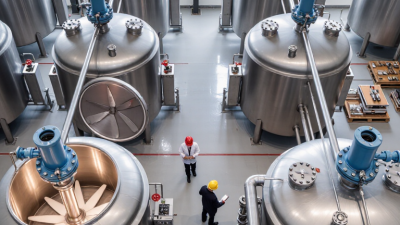
A chemical mixing tank is a vessel designed to blend liquids, dissolve powders, or keep particles evenly dispersed. It usually includes a tank body, an agitator, and a motor. Some systems also use baffles, heating or cooling jackets, and sensors for temperature or liquid level. The exact setup depends on the material and the process. That sounds simple. It isn’t always.

Inside the tank, an impeller moves the contents to create circulation. Baffles can reduce swirling and improve mixing, while the vessel’s shape affects how fluid flows. For example, a narrow tank holding a thick liquid may need a different agitator than a wide tank mixing water-like solutions. Materials matter, too: the tank and seals must tolerate the chemicals, temperature, and cleaning routine involved. A practical selection starts with viscosity, batch size, mixing time, and heat requirements. One detail is easy to overlook: stronger agitation is not automatically better. It can create foam, damage delicate ingredients, or waste energy. Operators should also check for dead zones where material may collect, especially near the bottom or around fittings.

Why Choose a Chemical Mixing Tank?

Typical Stirred-Tank Design Proportions

Mixing tanks help combine ingredients, keep solids suspended, and support heat transfer. These typical proportions, expressed relative to tank diameter (T), are useful starting points for baffled, stirred vessels—not universal specifications. The appropriate design depends on the fluid, process, and equipment.

How Does a Chemical Mixing Tank Work?

Why Choose a Chemical Mixing Tank?

How Does a Chemical Mixing Tank Work?

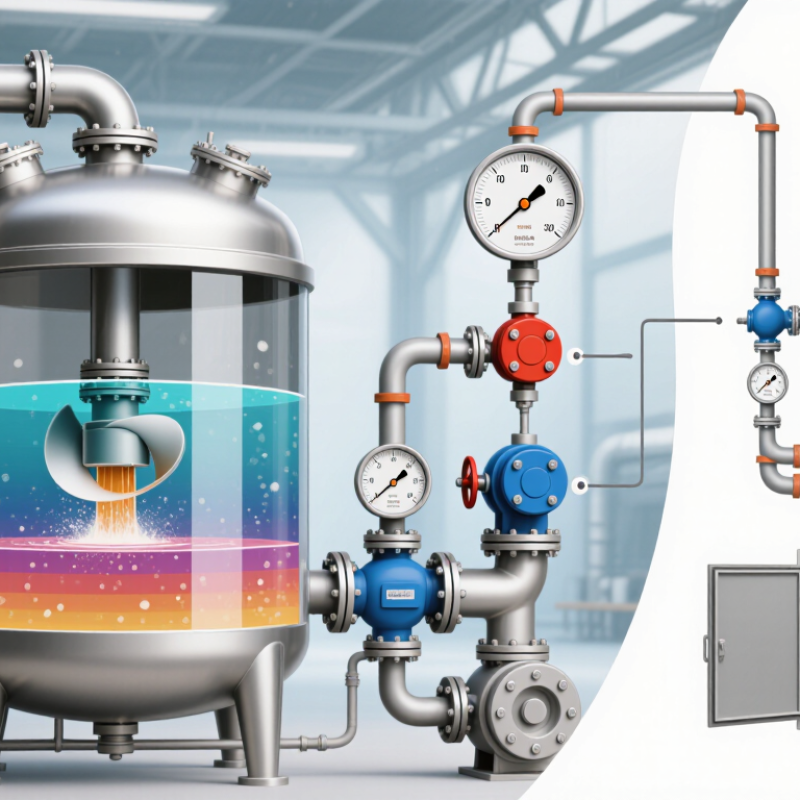
A chemical mixing tank brings ingredients together through controlled movement, not simply by spinning a blade. A motor turns an impeller inside the vessel, creating flow that circulates liquid from the center toward the walls and back. Baffles, when fitted, help limit a swirling vortex and improve circulation. The result depends on the impeller design, tank shape, fill level, and liquid properties. Small details matter.

During a batch, operators may add ingredients gradually while monitoring temperature, mixing time, and motor load. The moving liquid can help dissolve powders, keep particles suspended, or distribute heat more evenly. Viscous liquids often need different impellers or slower speeds than thin solutions. More speed is not always better; excessive shear can damage sensitive materials or draw air into the mix.

A practical setup also considers material compatibility, cleaning access, and safe sampling. Sensors can support process checks, but they do not replace sound operating procedures. Even careful calculations can miss changes in viscosity as ingredients combine, so trial runs and recorded observations help refine the process. Each batch has its quirks.

Which Components Shape Its Performance?

A chemical mixing tank performs well when its parts match the fluid and process. The vessel material matters: stainless steel, lined steel, or compatible polymers resist different chemicals and temperatures. Compatibility should be checked against concentration, operating temperature, and cleaning agents. A small mismatch can become an expensive leak.

Inside the tank, impeller design controls circulation and shear. A pitched-blade impeller can move liquid vertically, while a turbine may disperse additions more vigorously. Baffles help prevent a deep vortex and improve blending. They also add resistance, so the motor and gearbox must handle the resulting load. More speed is not always better. I have seen operators chase faster mixing when repositioning a poorly placed inlet would likely help more.

The drive, shaft, and seals also shape reliability. A rigid shaft helps limit vibration, and suitable seals reduce leakage where the shaft enters the vessel. Check access for inspection and replacement; a component that is difficult to reach may be neglected. Temperature probes, level sensors, and variable-speed controls provide useful process feedback. A jacket can heat or cool the batch, but uneven flow through it may leave hot or cold zones. Even a well-specified tank needs trials with the actual liquid, because viscosity and foaming can differ from estimates.

Why Choose a Chemical Mixing Tank? — Which Components Shape Its Performance?
Component Primary Function Effect on Performance Key Selection Considerations
Tank vessel Contains the process material and provides the space for mixing. Capacity, geometry, and material compatibility influence usable volume, cleanability, and resistance to corrosion or process conditions. Consider batch volume, operating temperature and pressure, chemical compatibility, and applicable fabrication requirements.
Agitator and impeller Moves the contents to blend liquids, suspend solids, or promote heat and mass transfer. Impeller type, diameter, speed, and placement affect circulation patterns, shear, and mixing effectiveness. Match the design to viscosity, solids content, required blend quality, and sensitivity of the product to shear.
Baffles Interrupt rotational flow in many stirred tanks. Appropriately designed baffles can reduce vortexing and improve top-to-bottom circulation. Evaluate the liquid’s viscosity, foaming tendency, solids handling needs, and cleaning requirements.
Motor and gearbox Provide power and deliver the required rotational speed and torque to the agitator. Available torque and speed range affect the ability to mix viscous or changing loads consistently. Account for fluid properties, startup conditions, duty cycle, control method, and the operating environment.
Shaft and mechanical seal Transmit rotation into the vessel while helping contain the process fluid at the shaft entry point. Alignment, shaft stiffness, and seal suitability influence reliability, leakage control, and maintenance needs. Consider pressure, temperature, chemical compatibility, solids, cleaning method, and applicable containment requirements.
Heating or cooling jacket / coil Adds or removes heat through a heat-transfer surface. Heat-transfer area and circulation affect temperature-control response and process consistency. Check the required temperature range, heating or cooling medium, heat load, and vessel construction.
Instrumentation and controls Measure or regulate process conditions such as temperature, level, pressure, and agitator speed. Suitable measurement and control help maintain repeatable operating conditions and support process monitoring. Select instruments for the process range, fluid compatibility, required accuracy, and cleaning or installation conditions.
Outlet and drain Allow the mixed product to be discharged and the vessel to be emptied. Outlet location and geometry can affect product recovery, drainage, and residual hold-up. Consider fluid viscosity, solids size, required drainage, downstream equipment, and cleanability.

What Benefits Does It Offer in Chemical Processing?

Why Choose a Chemical Mixing Tank?

What Benefits Does It Offer in Chemical Processing?

A chemical mixing tank helps combine liquids, powders, or additives under controlled conditions. Its agitator keeps materials moving, reducing concentration differences between the top and bottom of the vessel. For example, a properly selected impeller can help disperse a measured powder without leaving stubborn clumps along the tank wall. Consistent mixing can support more repeatable batches and make process adjustments easier to assess. It is not automatic, though. Poor sizing or unsuitable agitation can create uneven results.

Tank design also affects safety, cleaning, and product quality. The vessel material must suit the chemicals, operating temperature, and cleaning routine. Sealed covers and suitable connections can limit splashing and unwanted exposure. Temperature controls may help protect heat-sensitive ingredients or maintain a target viscosity. A tank with accessible fittings is easier to inspect, but operators still need to follow documented procedures. The details matter.

Tips: Confirm chemical compatibility before selecting tank materials. Match the impeller to the batch size and fluid thickness. Check temperature, seal, and cleaning requirements with a qualified process specialist. Record mixing time and speed, then review the results; one setting may not suit every batch.

How Do You Choose the Right Mixing Tank?

Why Choose a Chemical Mixing Tank?

How Do You Choose the Right Mixing Tank?

Start with the liquid. Record its viscosity, temperature, corrosiveness, and solids content. A thin solution behaves differently from a thick slurry. Check the batch size and how often it changes. An oversized tank may leave residue on its walls, while a small one can cause splashing. Compare working volume, not just total capacity. Then consider the impeller: a propeller may suit thin liquids, while wider blades can help move thicker mixtures. Choose speed and motor power based on process needs, not guesswork.

Material compatibility matters, too. Check the tank, seals, and fittings against both the mixture and cleaning agents. Heating, cooling, drainage, and access for cleaning can affect daily use. If particles settle, ask how the mixer keeps them moving near the tank bottom. Drawings may not reveal every stagnant area; I have seen this detail get overlooked. A small test batch can expose problems before equipment is installed.

Tips: Ask for the assumptions behind the supplier’s specifications, including viscosity and operating limits. Confirm that operators can safely inspect and clean the tank. Leave practical space for maintenance. Small trials help.