2026 Top Suction Pump Types for Global Buyers?

In today's global market, choosing the right suction pump is crucial for various industries. These pumps play a vital role in numerous applications, from agriculture to manufacturing. The demand for efficient and reliable suction pumps continues to rise as businesses seek to enhance productivity.

Different types of suction pumps are designed for specific uses. For example, diaphragm pumps are known for their versatility, while centrifugal pumps excel in high-volume transfer. Understanding these distinctions is essential for buyers. However, the vast array of options can be overwhelming. It’s important to evaluate performance, durability, and cost-effectiveness.

Buyers should rely on expert insights when selecting a suction pump. Industry standards and certifications provide a benchmark for quality and reliability. Yet, many still overlook potential maintenance issues. Investing in proper training and resources ensures optimal pump performance. Ultimately, the decision impacts operational efficiency and long-term costs.
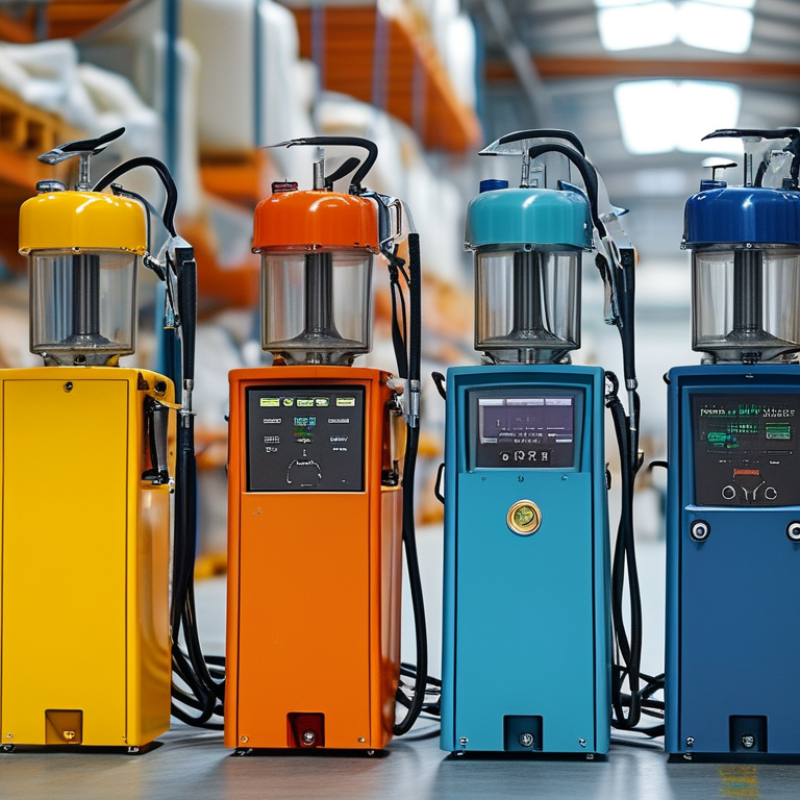
2026 Top Suction Pump Types for Global Buyers?

Overview of Suction Pump Types in 2026

In 2026, the suction pump market is diverse and rapidly evolving. Buyers need to focus on various types to meet different needs. Centrifugal pumps are popular for their efficiency. They excel in moving large volumes of fluids quickly. However, their performance may suffer with thicker liquids. This is a common issue that needs attention when selecting a pump type.

Positive displacement pumps offer precision in fluid movement. They are great for handling viscous materials. Compared to centrifugal pumps, they provide better performance in specific applications. However, they can be more challenging to maintain. Regular checks are essential to ensure optimal function.

Submersible pumps are another option gaining traction. These pumps operate underwater, making them perfect for wells and sewage systems. Still, buyers should consider potential corrosion issues. Understanding the environment and potential challenges is key. This helps in making informed decisions for long-term use.

2026 Top Suction Pump Types for Global Buyers

Pump Type Application Max Flow Rate (L/min) Max Suction Depth (m) Material Energy Efficiency Rating
Diaphragm Pump Chemical Processing 50 7 Plastic A+
Centrifugal Pump Water Supply 200 10 Stainless Steel A++
Vacuum Pump Food Processing 30 5 Aluminum B
Peristaltic Pump Pharmaceuticals 60 8 Rubber A
Submersible Pump Sewage Treatment 150 20 Cast Iron B+

Key Features and Benefits of Popular Suction Pumps

When considering suction pumps, understanding their key features is essential for global buyers. These pumps are designed to move liquids efficiently, making them vital in various industries. From agriculture to manufacturing, their applications are diverse. A notable advantage is their ability to create a partial vacuum, which allows them to draw fluids from lower levels. This mechanism is beneficial in industrial processes where gravity cannot be relied upon.

The materials used in suction pump construction also contribute to their effectiveness. Corrosion-resistant materials ensure longevity, especially in harsh environments. Additionally, their size and power options allow users to select based on specific needs. Whether for small-scale use or large industrial applications, these pumps can be tailored to meet user requirements. However, buyers may need to rethink the energy consumption of powerful models. Sometimes, efficiency is sacrificed for higher output.

Given the variation in pump types, it’s essential to assess the context of use. Some pumps excel in fluid viscosity, while others may struggle. Understanding the operational environment can help determine which features matter most. Balancing cost and performance is also a common challenge. These issues highlight the need for thorough research and application-specific assessments before making a purchase decision.

Comparative Analysis of Electric vs. Manual Suction Pumps

When comparing electric and manual suction pumps, both have distinct characteristics that appeal to different users. Electric suction pumps are known for their speed and efficiency. They can perform continuously without tiring, making them suitable for high-demand situations. Data from industry reports indicate that electric pumps can handle up to 180 liters per minute, a considerable advantage in emergencies or medical settings.

On the other hand, manual suction pumps are often more portable and require no power source. This makes them a valuable option in remote areas. However, they demand physical effort. Some users may find them tiring over time, especially during prolonged use. Reports show a preference for manual pumps in low-resource settings, where reliability and ease of transport are paramount.

Consider these factors when choosing between the two types. Electric pumps may save time but can be cumbersome to transport. Manual pumps offer mobility but may challenge the user’s stamina. Think about your specific needs. Always test equipment before making a decision; comfort and user-friendliness are key. Check product specifications for efficacy and output data to ensure you make the right choice.

Applications of Suction Pumps Across Various Industries

Suction pumps play a crucial role in diverse industries, facilitating the movement of fluids in various applications. In the oil and gas sector, suction pumps are vital for transporting crude oil and natural gas. A report by the Energy Information Administration indicates that the demand for efficient pumping solutions is expected to grow by 5% annually through 2026. These pumps ensure seamless operation, reducing downtime and optimizing production efficiency.

Water treatment is another significant area where suction pumps are essential. According to a market analysis by Research and Markets, advancements in water purification technologies are driving the need for reliable suction pumps. Properly maintained pumps can significantly reduce contamination risks, but many facilities struggle with regular maintenance. This gap might hinder optimal performance, emphasizing the importance of routine checks.

Additionally, suction pumps are widely utilized in the agriculture sector for irrigation systems. With climate change affecting water supply, efficient pumps are critical for sustainable farming. A report from the Food and Agriculture Organization highlights that improper irrigation practices often lead to crop failures. As agricultural demands rise, selecting the right pump type becomes increasingly important for producers worldwide. Such challenges reflect the need for continuous improvement in technology and practices in the suction pump market.

Future Trends in Suction Pump Technology and Market Demand

As industries evolve, suction pump technology continues to make strides towards efficiency and sustainability. In the coming years, there will be a greater emphasis on energy-efficient designs. These advancements aim to reduce operating costs while maintaining performance. Manufacturers are increasingly focusing on smart technology integration. This allows for remote monitoring and predictive maintenance, further enhancing operational efficiency.

Recent trends highlight the rising demand for eco-friendly materials in pump manufacturing. Companies explore alternative materials that can withstand harsh conditions while minimizing environmental impact. The adoption of such practices reflects a growing awareness of sustainability in industrial applications. Global buyers must pay attention to these shifts to stay competitive.

For those considering a suction pump purchase, it's essential to assess your specific requirements. Evaluate your operational environment and expected load capacities. Also, inquire about the longevity and potential recyclability of the materials used in construction. These factors can influence both performance and sustainability. Keeping abreast of these trends will ensure your choice aligns with future market demands.