Top Quality Suction Pump Options for Global Buyers?

Suction pumps play a pivotal role in various industries, including water treatment, automotive, and pharmaceuticals. According to a recent market report, the global suction pump market is projected to grow at a CAGR of 5.6%, reaching $10 billion by 2025. This growth reflects increasing demand for efficient fluid management solutions.

Selecting the right suction pump is crucial for maximizing operational efficiency. Factors such as viscosity, flow rate, and application type must be considered. A poorly chosen pump can lead to increased downtime or operational issues. Experts emphasize the importance of matching pump specifications with system needs.

Market leaders are innovating to meet diverse user demands. Companies are focusing on durability, ease of maintenance, and energy efficiency in their designs. However, the variety of options can overwhelm buyers. Making an informed choice requires industry expertise and careful evaluation of product details.
Top Quality Suction Pump Options for Global Buyers?

Top Quality Suction Pump Options for Global Buyers

The global demand for high-quality suction pumps is rising. This growth is driven by various industries, including pharmaceuticals, food processing, and environmental management. Reports suggest that the suction pump market is projected to grow at a CAGR of 4% from 2021 to 2026. Understanding what constitutes a top-quality suction pump is vital for global buyers.


When selecting a suction pump, manufacturers often cite efficiency and durability as key criteria. An ideal pump maximizes liquid transfer while minimizing energy usage. Many models now feature advanced materials that resist corrosion and wear. For buyers, assessing a pump’s specifications is crucial. Inconsistent performance can lead to operational delays.


Consider the following aspects: compatibility with your system, maintenance needs, and warranty terms. Reflect on your long-term goals. Sometimes, the cheapest option isn't the best investment. Quality pumps can reduce operational costs in the long run. Always seek additional insights from industry professionals before purchasing.

Understanding the Different Types of Suction Pumps Available

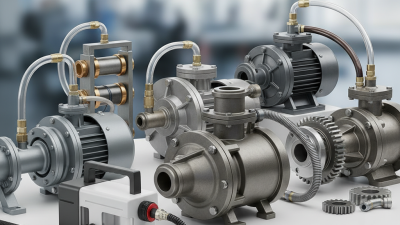
Suction pumps come in various types, each designed for specific applications. Understanding these differences is essential for buyers. Positive displacement pumps, for instance, are effective for thick fluids. They operate by trapping a fixed amount of fluid and forcing it out. This type is common in industrial settings. However, they may struggle with gases, which limits their versatility.

Centrifugal suction pumps are another option. They are popular for their efficiency with clear liquids. These pumps use rotational energy to move fluid, making them suitable for agriculture and water supply. Yet, they can lose suction when facing air pockets or low fluid levels. This performance aspect requires careful monitoring by users.

Diaphragm pumps offer a distinct advantage in handling corrosive fluids. They create a seal, ensuring no leakage occurs. Ideal for chemical processes, they also manage solids and viscous materials well. However, their complex mechanics may require more maintenance, leading to operational downtime. Each type of pump has its strengths and weaknesses. Choosing the right one demands attention to specific needs and operational contexts.

Key Features to Consider When Choosing a Suction Pump

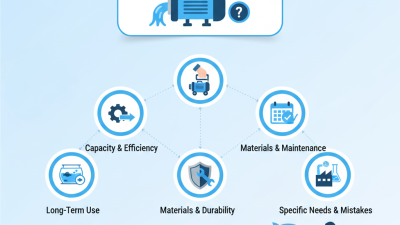
When selecting a suction pump, several key features must be considered to ensure optimal performance. First, the pump's flow rate is critical. Depending on the application, users often require different capacities. Generally, industrial applications may need pumps with a flow rate exceeding 100 gallons per minute. A study by the Pump Manufacturers Association indicates that flow rates significantly impact operational efficiency.

Another vital aspect is the material composition. Suction pumps come in various materials like stainless steel, plastic, or rubber. Each material has its advantages. For instance, stainless steel pumps provide durability and resistance to corrosion, making them suitable for harsh environments. In contrast, plastic pumps may be lighter and easier to transport. However, they may not withstand high temperatures.

Additionally, users should assess the pump's maintenance requirements. Regular maintenance is essential for long-term reliability. Some pumps require extensive upkeep, whereas others are designed for minimal maintenance. According to industry research, poorly maintained pumps can lead to a 30% reduction in efficiency. Therefore, understanding maintenance needs can influence the decision-making process considerably.

Leading Brands in the Suction Pump Market for Global Buyers

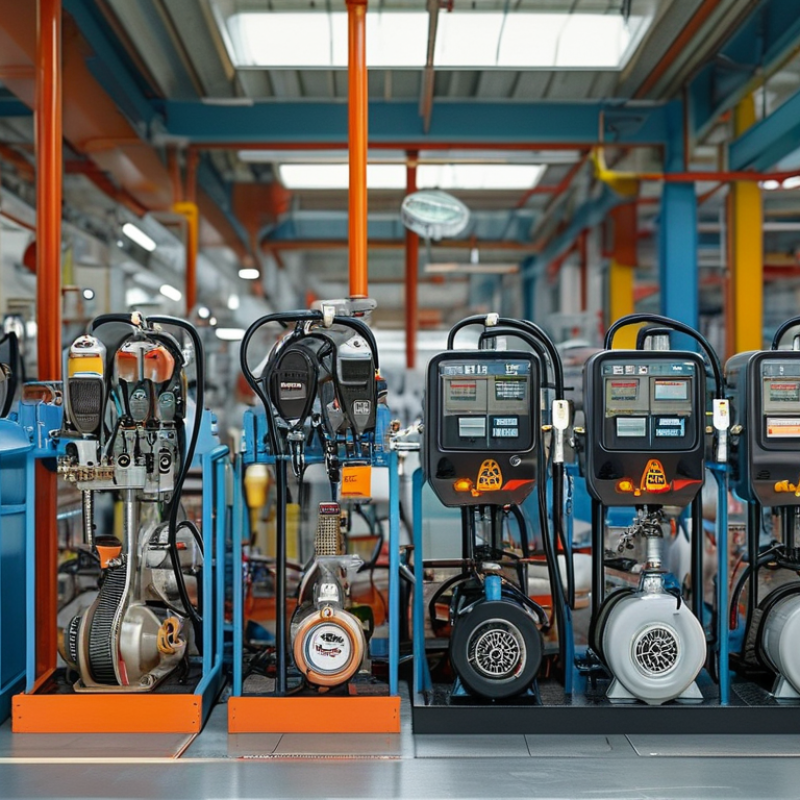
When choosing a suction pump, quality and reliability are key. Global buyers often seek options that deliver high performance in various applications. Many manufacturers now focus on refining their designs, ensuring durability and efficiency. They leverage modern technologies to enhance suction capabilities. However, not all products meet the high standards expected by buyers. This discrepancy can lead to challenges in terms of functionality and longevity.

Top brands consistently invest in research and development. Their commitment to excellence positions them as leaders in the market. Buyers should pay attention to user reviews and expert testimonials. These insights reveal common performance issues and can guide purchasing decisions. Quality control processes are essential, yet some manufacturers still overlook them. This oversight can result in inferior products reaching the market, affecting buyer satisfaction.

Design features play a significant role in the pump's effectiveness. Certain models are created with user-friendly interfaces, while others may lack this consideration. Understanding the nuances of each option can be complex. Effective suction pumps should also be versatile to cater to various industries. Buyers must weigh the pros and cons of each option, considering their specific needs. The right choice can lead to improved performance, but it requires careful examination of available options.

Evaluating Performance and Reliability of Suction Pumps

Evaluating suction pumps involves assessing both performance metrics and reliability standards. Recent industry reports indicate that the efficiency of suction pumps can vary significantly based on design and materials used. For example, pumps constructed with advanced composite materials report a corrosion resistance rate exceeding 90%, enhancing their lifespan and reducing maintenance needs.

Reliability is crucial in sectors like agriculture and wastewater management. According to a 2023 study by the International Pump Association, nearly 30% of pump failures result from wear and tear. Such failures lead to costly downtimes and affect operational efficiency. Regular maintenance protocols are recommended. These can help ensure consistent performance and predict potential failures before they escalate.

Consumer feedback shows that lightweight suction pumps often perform poorly under heavy load conditions. Users report that while portable, these models struggle with suction depth beyond 10 meters. Performance evaluation requires thorough testing to identify maximum operational limits. Reliability, too, demands a balance between efficiency and durability, highlighting the need for ongoing research and improved designs in future models.

Conclusion

This article provides a comprehensive overview of top-quality suction pump options available for global buyers. It begins by explaining the various types of suction pumps, highlighting their unique functionalities and applications across different industries. Key features to consider when choosing a suction pump, such as efficiency, durability, and ease of maintenance, are discussed to aid buyers in making informed decisions.

Furthermore, the article examines the leading brands in the suction pump market without naming specific companies, focusing instead on the criteria that contribute to a brand's reputation. Performance and reliability are critical factors, and the article offers insights on how to evaluate these attributes effectively. Finally, it explores global trends and innovations shaping suction pump technology, emphasizing the importance of staying informed about advancements that cater to the evolving needs of buyers around the world.