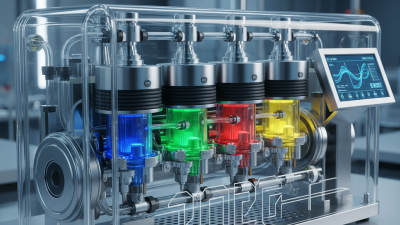
A diaphragm chemical metering pump may look simple on a skid: a compact head, a flexible diaphragm, and a steady pulse of fluid. But choosing the right model takes more than comparing flow rates. Chemical compatibility, pressure limits, turndown, accuracy, and control options all affect performance. A pump that handles clean water well may behave differently with a viscous, abrasive, or temperature-sensitive chemical.
This guide examines ten diaphragm chemical metering pump options through practical selection criteria. It considers application fit, construction materials, dosing control, maintenance access, and the clarity of published specifications. Small details matter. A readable calibration scale, accessible check valves, and a stable mounting surface can make routine operation easier. Still, no ranking can replace checking a pump against the actual process conditions.
Reliable recommendations also need reliable sources. No verifiable expert quotation or named industry specialist was provided with the source material, so this introduction avoids inventing an attribution. That matters. Product features and operating limits should be confirmed in current manufacturer documentation, then reviewed against the fluid and duty cycle. The top choice is not automatically the most powerful or expensive model. It is the one that delivers suitable, repeatable dosing with materials and controls matched to the application.
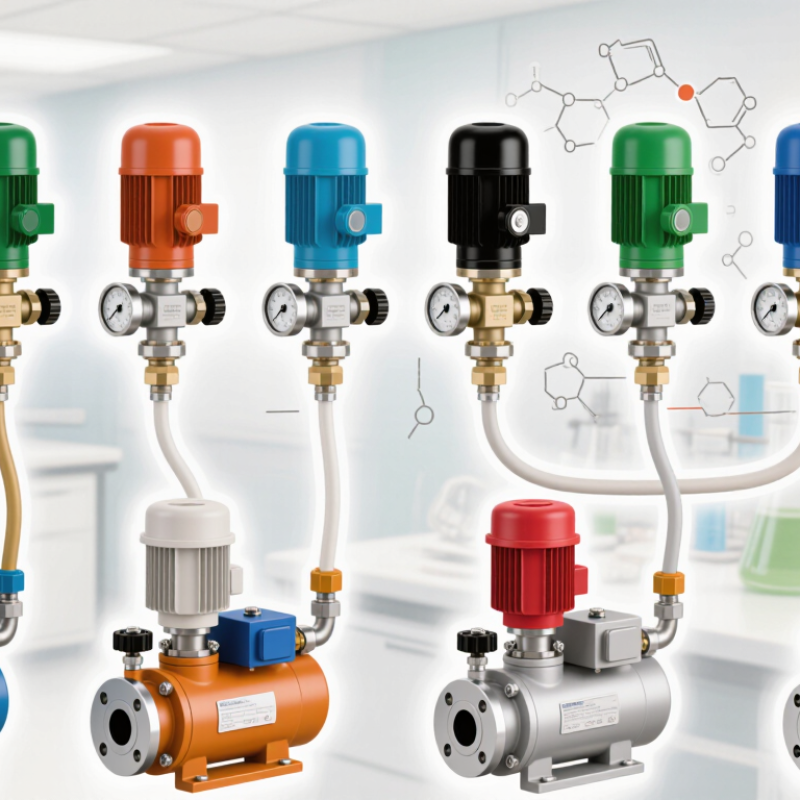
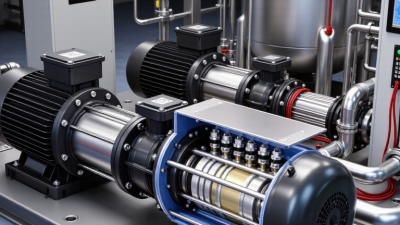
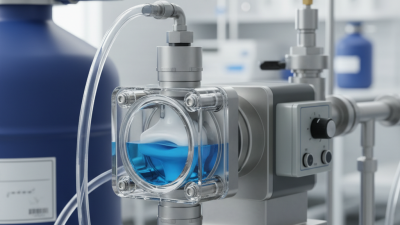
A diaphragm chemical metering pump moves precise liquid doses through a repeated cycle. An electric motor or solenoid drives a diaphragm back and forth inside a pump head. During suction, the diaphragm retracts and draws liquid through an inlet check valve. During discharge, it pushes liquid through an outlet check valve. The valves help keep flow moving in one direction.
Simple in principle. Not effortless in practice.
Dose volume is commonly adjusted by changing stroke length, stroke speed, or both. A wetted diaphragm separates the chemical from many moving parts, which can reduce leakage risk. Yet air bubbles, clogged valves, changing viscosity, and poor calibration can all disturb delivery. Small details matter.
The U.S. Department of Energy’s Improving Pumping System Performance sourcebook reports that pumping systems use nearly 20% of global electricity demand; that figure covers pumping systems broadly, not metering pumps alone. For dosing applications, API 675 provides an industry standard for controlled-volume pumps.
Operators still need to verify output under actual conditions, using a graduated cylinder or suitable flow measurement.
A set dial is not proof of a correct dose.
Diaphragm chemical metering pumps differ mainly in how they move the diaphragm and control each dose. Mechanically actuated pumps use a crank or cam to create repeatable strokes. They suit steady-duty applications, though wear on the drive components can affect long-term accuracy. Hydraulically actuated designs push oil against the diaphragm, isolating the process liquid from the mechanism. This can support higher pressures and reduce stress on the diaphragm. Solenoid-driven pumps use electromagnetic pulses, making compact, low-flow dosing easier to adjust. Short pulses matter.
Control methods also separate common pump types. Motor-driven units can vary stroke speed, while digital models may accept pulse or timed signals from a process controller. Adjustable stroke length changes the volume displaced per cycle; changing speed alters how often cycles occur. Double-diaphragm designs add a second membrane and may provide leak detection, but they are not automatically more precise. Air-operated versions are often chosen for transfer, not fine metering. Check the actual dosing range, back-pressure, chemical compatibility, and calibration method before selecting a pump. A nominal flow rating alone can mislead. For example, a pump rated at 10 liters per hour may deliver less against a restrictive injection point. Recheck output under real operating conditions.
When comparing ten diaphragm chemical metering pumps, evaluate the wetted path before comparing price or advertised flow. List the chemical, concentration, temperature, viscosity, and any suspended solids expected in service. Check diaphragm, valve-ball, seat, seal, and pump-head materials against current compatibility data. A material that tolerates a dilute solution may fail when concentration or temperature rises. Ask for written technical guidance, not a quick verbal assurance. Small details matter.
Dosing accuracy must be checked at the actual operating point, not only at maximum capacity. Compare stated accuracy and repeatability, then note the required turndown ratio and minimum stable stroke. Backpressure, suction lift, gas entrainment, and pulsation can shift delivered volume. Where practical, test with the intended liquid using a calibrated vessel or scale over a timed interval. Repeat the test. Record the setpoint and measured output at several stroke rates; one reading can hide drift. A pump may look precise on paper yet behave differently after valves wear or temperature changes. Leave room for calibration and maintenance.
Diaphragm metering pumps suit precise chemical dosing because a flexible diaphragm separates the liquid from drive components. Ten common configurations include solenoid-driven, mechanical-drive, hydraulic-drive, double-diaphragm, multihead, high-pressure, compact, corrosion-resistant, digitally controlled, and remotely monitored designs. Their features serve different jobs: solenoid units handle small, steady doses; hydraulic models manage higher pressures; multihead pumps feed several process lines. Double diaphragms with leak detection add an extra safeguard. Useful details.
In water treatment, operators use these pumps to meter disinfectants, pH adjusters, and coagulants.
The WHO/UNICEF Joint Monitoring Programme reported that 2.2 billion people lacked safely managed drinking water in 2022, underscoring the operational importance of reliable treatment systems.
In industrial plants, corrosion-resistant wetted parts matter when dosing acids or alkalis; food and pharmaceutical processes may require cleanable designs and tight flow control.
The U.S. Department of Energy’s Improving Pumping System Performance sourcebook notes that pumping systems can consume 25–50% of electricity in some industrial facilities. That figure covers pumping systems broadly, not metering pumps alone, but it supports checking energy use alongside accuracy.
Selection still takes judgment: actual viscosity, suction lift, pulsation, and chemical compatibility can make a catalog rating misleading. A neat specification is not the whole story.
A useful comparison of the top 10 diaphragm chemical metering pumps starts with the operating range, not the advertised maximum. Check the required flow at normal pressure, then confirm the pump can hold that rate steadily. A unit rated for high output may struggle with precise, low-volume dosing. Stroke length, stroke speed, and the available turndown range all affect control. Small details matter. Look for manual, analog, pulse, or digital control options that match the process signal. Feedback and alarms can help identify missed strokes or empty supply lines, but add setup and calibration work.
Materials must suit both the chemical and the operating temperature. A compatible diaphragm material, such as PTFE, does not guarantee every valve, seal, or head material is suitable. Check the full wetted-path specification against the fluid supplier’s compatibility data. Pressure changes, suspended solids, and gas-producing liquids can also affect performance. No single pump suits every installation.
Tips: Compare maintenance access before buying. Can you inspect the diaphragm and clean the check valves without removing nearby piping? Ask about replacement intervals, spare-part availability, and calibration procedures. A simple service log helps reveal drift over time. Verify actual dosing with a measured test; display readings alone may not catch a partially blocked valve.
| No. | Pump configuration | Indicative capacity | Indicative pressure range | Typical controls | Common wetted materials | Maintenance considerations | Typical applications |
|---|---|---|---|---|---|---|---|
| 1 | Compact solenoid diaphragm | About 0.1–20 L/h | About 2–20 bar | Manual stroke or frequency adjustment; many units accept pulse or 4–20 mA input. | PVC, PVDF, polypropylene, PTFE-faced diaphragm, ceramic or compatible alloy valves. | Inspect diaphragm and check valves; verify priming and recalibrate output after changing settings or fluid conditions. | Low-flow water treatment, laboratory dosing, and small process systems. |
| 2 | High-capacity solenoid diaphragm | About 5–80 L/h | About 2–10 bar | Digital setting, pulse proportioning, external enable, and optional alarm outputs. | PVC or PVDF liquid end; PTFE-based diaphragm; ceramic or compatible plastic valve parts. | Check valve fouling and air locking; clean or replace valve cartridges as needed and confirm dosing against a calibrated measure. | Disinfection, pH correction, and moderate-flow chemical feed. |
| 3 | Motor-driven mechanical diaphragm, low-to-medium flow | About 5–500 L/h | About 5–20 bar | Manual stroke-length adjustment; variable-frequency drive or electronic actuator options. | PVDF, PVC, stainless steel, PTFE-faced diaphragm, and fluid-compatible valve materials. | Inspect diaphragm, seals, and check valves; check gearbox lubricant and fasteners according to the service schedule. | Industrial dosing where steady output and motor-driven operation are preferred. |
| 4 | Motor-driven mechanical diaphragm, high-flow | About 100–2,000 L/h | About 3–10 bar | Variable-frequency drive, stroke adjustment, flow feedback, and process interlocks. | Stainless steel or coated metal liquid ends; PTFE-based diaphragm; compatible alloy or polymer valves. | Monitor diaphragm condition and valve response; check drive alignment, bearings, and lubrication at planned intervals. | Bulk chemical feed and larger water or process-treatment systems. |
| 5 | Hydraulically actuated diaphragm, general process duty | About 1–1,000 L/h | About 20–100 bar | Manual stroke adjustment, variable-speed drive, or electronic actuator; pressure or leakage monitoring may be added. | Stainless steel or other compatible metal liquid ends, PTFE diaphragm, and chemical-compatible valve materials. | Check hydraulic oil condition and level, diaphragm integrity, relief arrangements, and process-side check valves. | Higher-pressure dosing where containment and repeatable metering are important. |
| 6 | Hydraulic diaphragm, high-pressure duty | About 0.5–500 L/h | About 100–350 bar | Variable-speed control, actuator-based stroke adjustment, pressure monitoring, and shutdown interlocks. | High-strength compatible metal liquid end, PTFE-based diaphragm, and valves selected for pressure and chemical compatibility. | Follow the manufacturer’s pressure-specific inspection intervals; check hydraulic components, relief devices, and diaphragm leakage detection. | High-pressure injection and demanding process dosing. |
| 7 | Duplex or multiplex diaphragm arrangement | About 10–4,000 L/h combined, depending on the number and size of heads | About 5–100 bar, depending on pump design | Independent or coordinated drive control; flow pacing, duty/standby switching, and common alarms. | Materials are selected for the chemical and pressure; common options include stainless steel, PVDF, PTFE, and compatible valve materials. | Inspect each liquid end; check that parallel heads are balanced and that standby units are periodically tested. | Higher total flow, redundancy, or staged dosing requirements. |
| 8 | Corrosion-resistant polymer liquid-end diaphragm pump | About 0.1–500 L/h | About 2–20 bar | Manual or digital stroke/frequency adjustment; pulse and analog input options are common. | PVDF, PVC, or polypropylene body; PTFE-based diaphragm; ceramic or compatible polymer valve components. | Confirm chemical compatibility at the operating temperature and concentration; inspect polymer parts for swelling, cracking, or deposits. | Acids, alkalis, and other corrosive chemicals when compatible polymer construction is suitable. |
| 9 | PTFE-faced diaphragm process pump | About 1–1,000 L/h | About 5–100 bar, depending on design | Manual adjustment, variable-speed drive, or electronic actuator; optional process feedback and alarms. | PTFE-faced diaphragm with a compatible metal or polymer liquid end; valve materials chosen for the fluid. | Inspect the diaphragm for wear or leakage and check valves for deposits; confirm compatibility with the actual chemical mixture. | Process chemicals requiring broad chemical resistance and controlled metering. |
| 10 | Diaphragm pump configured for viscous or solids-bearing fluids | About 1–500 L/h; actual output depends strongly on viscosity and solids | About 5–50 bar, depending on design and fluid properties | Adjustable stroke or speed; low-flow, pressure, or blockage alarms may be integrated. | Robust compatible metal or polymer liquid end, PTFE-based diaphragm, and valve passages sized for the fluid. | Check for valve blockage, sediment buildup, and reduced output; flushing and more frequent inspection may be necessary. | Compatible viscous solutions, suspensions, and fluids with limited solids content. |
Selection note: Capacity and pressure figures are broad, indicative ranges rather than guaranteed ratings. Actual limits depend on pump size, diaphragm and valve design, chemical compatibility, temperature, viscosity, suction conditions, and operating settings. Confirm the duty point and materials with the pump manufacturer before selection.