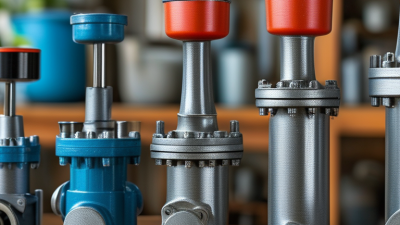
Pump systems play a crucial role in various industries. They are essential for transporting fluids from one point to another. Understanding how pump systems work can enhance efficiency and reduce costs.
A pump system consists of several components. These components include the pump, motor, and piping. Each part must function optimally for the system to operate correctly. Over time, wear and tear can lead to inefficiencies. Regular maintenance is necessary to prevent issues.
Many don't realize the complexity behind these systems. A small malfunction can disrupt operations significantly. Investing time in learning about pump systems pays off. It ensures reliability and improves performance. Knowing how to troubleshoot potential problems is equally important. This knowledge empowers users to manage operations effectively.
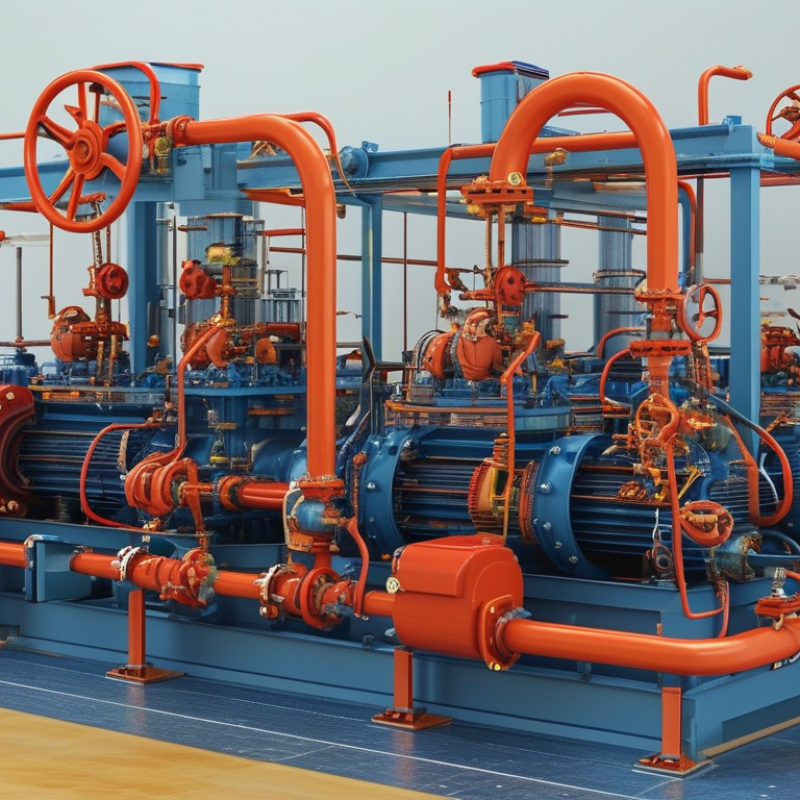
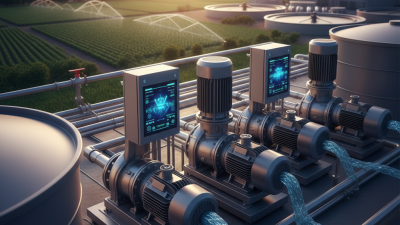
A pump system is an essential component in many applications, facilitating the movement of fluids from one location to another. It plays a crucial role in industries, agriculture, and municipal services. Understanding the fundamentals of pump systems can be beneficial for both professionals and enthusiasts alike. These systems typically consist of a pump, motor, and piping to transport the fluid efficiently.
The main purpose of a pump system is to convert mechanical energy into hydraulic energy. This process allows various fluids to flow against gravity or through a system of pipes. Various designs exist, such as centrifugal and positive displacement pumps, each serving distinctive functions. By considering the specific requirements of a job, users can select the appropriate pump type for the task at hand.
However, establishing an efficient pump system isn’t without challenges. Factors like pump selection, maintenance, and installation require careful planning and expertise. Missteps in any of these areas can lead to inefficiencies or failures. Therefore, ongoing education about pump technologies and best practices is vital for ensuring optimal performance. Engaging with professionals in the field can provide insights and guidance when navigating the complexities of pump systems.
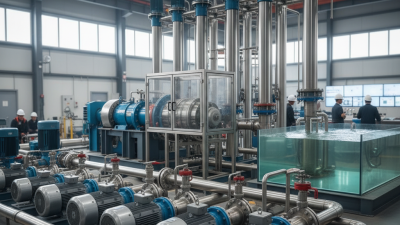
A pump system is essential for transporting fluids in various industries. Understanding its key components helps us appreciate its functionality. The primary elements include the pump itself, the motor, piping, and control systems. Each component plays a specific role, ensuring fluid movement and efficiency.
The pump generates pressure, moving fluids from one location to another. The motor drives the pump, converting electrical energy into mechanical energy. Piping transports the fluid, and control systems regulate flow rates and pressure. The interaction between these components is crucial for optimal operation.
Consider regular maintenance for your pump system. Check for leaks and unusual noises. It’s vital to replace worn parts before they cause significant issues. Even small inefficiencies can disrupt the system. Don't overlook these details; they can lead to bigger problems down the line. Understanding these components aids in troubleshooting and improving system performance.
| Component | Functionality | Common Types |
|---|---|---|
| Pump | Moves fluids from one location to another. | Centrifugal, Positive Displacement |
| Motor | Drives the pump by converting electrical energy into mechanical energy. | AC motor, DC motor |
| Controls | Regulates the operation of the pump, ensuring proper flow and pressure levels. | Variable Frequency Drives, Pressure Sensors |
| Piping | Carries the fluid to and from the pump. | PVC, Stainless Steel |
| Valves | Controls the flow and pressure of the fluid within the system. | Gate Valve, Ball Valve |
| Filters | Removes particulates from the fluid to protect the pump and maintain efficiency. | Mesh Filter, Cartridge Filter |
A pump system is essential for various applications, from industrial processes to residential water supply. Understanding how these systems function involves the principles of fluid dynamics. When a pump operates, it creates a difference in pressure that moves fluid. This pressure difference is key to overcoming resistance in the system, such as friction and gravity.
Fluid dynamics principles dictate that fluids flow from areas of high pressure to low pressure. The design of the pump affects how effectively this flow occurs. For instance, centrifugal pumps use a rotating impeller to increase the speed of the fluid. This speed translates to kinetic energy, which helps push the fluid through the system. Likewise, positive displacement pumps trap and then release fluid, making them suitable for viscous liquids.
While pump systems can be reliable, they also have limitations. An improperly sized pump can lead to inefficiencies, causing reduced performance or increased wear. Moreover, certain environmental factors, like temperature and viscosity variations, can impact flow rates. Engineers must carefully analyze these aspects to optimize a pump system's effectiveness, ensuring it operates within expected parameters and adjusts for unforeseen variables.
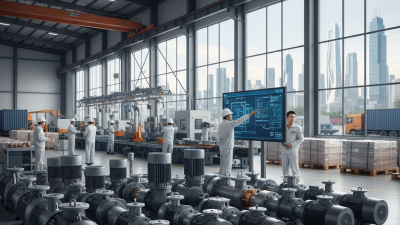
When analyzing pump systems used across industries, it becomes clear that various types serve unique functions. Centrifugal pumps, for example, are widely used in water and wastewater management due to their efficiency and ability to handle large volumes. According to a recent industry report, centrifugal pumps account for about 80% of the total market share in this sector.
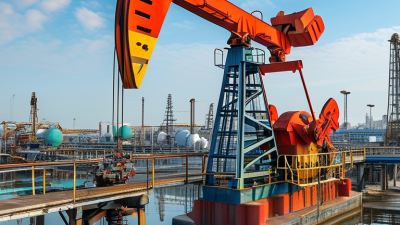
Positive displacement pumps, on the other hand, excel in applications requiring high pressure. These pumps are common in the oil and gas industry. They ensure a consistent flow regardless of changes in pressure, making them indispensable for certain processes. A recent study indicated that the need for such pumps is expected to grow by approximately 5% annually over the next five years.
When selecting a pump system, consider the fluid properties, including viscosity and temperature. Not all pumps are suitable for every application. Ensure that the chosen type meets the operational requirements. A thorough assessment can prevent potential inefficiencies. Keep in mind that maintenance is crucial. Regular checks can avoid costly breakdowns. Exploring different types of pumps can lead to better decisions and optimized systems.
When evaluating pump systems, performance metrics play a crucial role. Efficiency is measured in terms of hydraulic efficiency and overall system efficiency. Hydraulic efficiency can often reach around 80% to 90%, while overall efficiency tends to be lower, commonly between 60% to 70%. These numbers highlight the complex interplay of factors affecting performance, including design, operational conditions, and maintenance practices.
Operational costs are another vital metric. Energy usage constitutes a significant portion of the total operational costs, often accounting for up to 90% over the lifetime of a pump. A report from the Hydraulic Institute reveals that improving pump efficiency by just 10% can reduce annual energy costs by thousands of dollars. However, achieving this improvement is not always straightforward. Factors such as system design flaws or improper sizing can lead to inefficiencies, which may require a comprehensive assessment of the entire system.
Moreover, monitoring and maintenance protocols can impact long-term performance. Many operators overlook regular maintenance, leading to declining efficiency over time. Proper data analysis and regular assessments can aid in identifying inefficiencies and potential upgrades. All these variables necessitate a strategic approach to evaluating both efficiency and costs in a pump system. Ignoring these can lead to wasted resources and even operational failures.