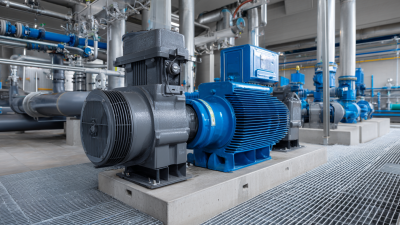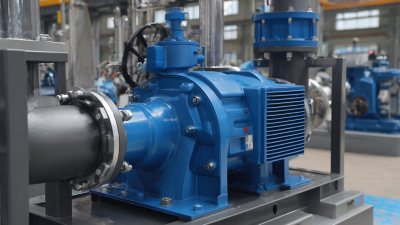
Industrial pumps are critical components in various sectors, including oil and gas, water treatment, and manufacturing. According to a recent market analysis by Grand View Research, the global industrial pump market is projected to reach USD 80 billion by 2027, growing at a CAGR of approximately 5%. This growth underscores the importance of selecting the right pump for specific applications.
Global buyers face numerous challenges when choosing industrial pumps. Specific requirements, such as flow rate, material compatibility, and energy efficiency, must be considered. A well-informed decision can lead to significant cost savings and improved operational efficiency. Yet, there's often confusion in navigating the diverse options available.
Understanding the intricacies of industrial pumps is essential. However, many buyers may overlook critical factors during their purchasing process. This oversight can result in inefficient systems that increase operational costs. By focusing on tailored solutions and industry standards, global buyers can enhance their purchasing strategies and achieve superior performance from their industrial pumps.

Industrial pumps play a crucial role in various sectors. Understanding the different types can help in making informed choices. Centrifugal pumps are among the most common. They operate by converting rotational energy into movement. These pumps are often used in water supply, chemical processing, and waste management. Their efficiency and adaptability make them a preferred choice.
Positive displacement pumps are another key type. They move fluid by trapping a fixed amount and forcing it into the discharge pipe. This design allows them to handle viscous liquids and maintain a consistent flow. Industries such as food processing and oil extraction rely heavily on these pumps. Each type has distinct applications, affecting performance and maintenance needs.
When considering industrial pumps, keep a few tips in mind. Check the pump's compatibility with your fluid. This ensures longer service life and less maintenance. Assess the required flow rate and pressure to avoid underperformance. Lastly, evaluate the availability of spare parts. Access to these parts can save time and avoid costly downtime later. Each detail matters in selecting the right pump for your needs.
When evaluating pump efficiency, several key metrics play a crucial role. One of the primary indicators is the pump's hydraulic efficiency, which measures the conversion of input power to hydraulic energy. Data from the Hydraulic Institute suggests that efficient pumps can achieve hydraulic efficiencies of 70% to 85%. This range varies based on pump design and application, affecting overall operational costs significantly.
Another important metric is the combined efficiency, which includes both hydraulic efficiency and mechanical efficiency. Understanding these metrics can lead to effective energy management. According to a report from the U.S. Department of Energy, implementing high-efficiency pumps can reduce energy costs by 20% to 50%.
Buyers should also consider the performance curve of a pump. This graph illustrates how a pump’s flow rate changes with pressure. A good design ensures optimal operation over the intended range. However, many buyers overlook this aspect, leading to inefficiencies. Custom applications may not fit into standard designs, requiring careful analysis to achieve desired outcomes.
Selecting the right material for pump construction is crucial. Corrosion and wear can significantly impact a pump's performance. Choosing the wrong material can lead to expensive damage. For instance, stainless steel is often favored for its corrosion resistance. However, it may not be ideal for all applications. Thoughtful consideration of the pump’s environment is essential.
For facilities dealing with abrasive materials, options like cast iron or certain polymers might be more suitable. These materials can withstand wear more effectively. However, these choices can have trade-offs, such as reduced corrosion resistance. In some cases, a metal-coated option could provide a balance between durability and corrosion resistance.
It's important to assess the specific conditions the pump will face. Factors include temperature, pressure, and chemical exposure. Additionally, a thorough understanding of maintenance needs can guide material selection. Reflecting on past experiences can also reveal what works best in practice. Choosing pump materials is a nuanced process that merits careful deliberation.
| Material Type | Corrosion Resistance | Wear Resistance | Temperature Range (°C) | Cost (per kg) |
|---|---|---|---|---|
| Stainless Steel | High | Medium | -200 to 400 | $3 |
| Ductile Iron | Medium | High | -20 to 250 | $2 |
| Titanium | Very High | Medium | -250 to 600 | $10 |
| Polypropylene | High | Low | -20 to 90 | $1.5 |
| Carbon Steel | Low | Medium | -20 to 300 | $2.5 |
| Ceramic | High | Very High | -200 to 1000 | $15 |
| Bronze | Medium | High | -20 to 250 | $4 |
| Nylon | Medium | Low | -40 to 80 | $1.2 |
| PTFE | Very High | Low | -200 to 260 | $5 |
| HDPE | Medium | Low | -40 to 60 | $0.9 |
When considering industrial pumps, the total cost of ownership is a vital factor. Buyers often focus on the initial purchase price. However, long-term costs can significantly impact your budget. The initial cost might represent only 20% of the total cost over the pump's lifespan. Maintenance and operational expenses contribute to the remaining 80%.
Choosing the right pump involves scrutinizing energy efficiency. According to a study by the U.S. Department of Energy, optimizing pump systems can reduce energy costs by 20-50%. This can lead to substantial savings over time. Also, consider the lifespan of parts. Frequent replacements can escalate maintenance costs unexpectedly.
When considering industrial pumps for global purchases, supplier reputation and certification are critical factors. The quality of a supplier can directly impact product reliability and performance. A recent industry report indicated that 65% of buyers prioritize supplier reputation when making purchasing decisions. This highlights the importance of selecting suppliers with proven track records.
Certification standards play a vital role in ensuring product quality. For instance, ISO certification assures that the supplier adheres to international quality management principles. Buyers often seek suppliers who hold relevant certifications, as they indicate compliance with safety and efficiency standards. Studies have shown that products from certified suppliers can reduce operational risks by up to 30%.
However, not all companies communicate their certifications transparently. This vagueness can lead to mistrust and misinformed purchasing choices. Additionally, some suppliers might exaggerate their qualifications without valid proof. Buyers should therefore demand transparency. Engaging in thorough research and asking for verified documentation can mitigate these risks. The decision-making process must account for both the supplier's reputation and their certified capabilities.