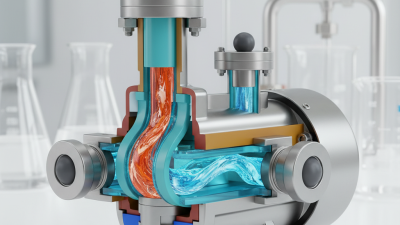
Choosing a reliable suction pump manufacturer requires more than comparing catalog prices. Global buyers need equipment that performs consistently under real operating conditions. A pump may handle clean water well, yet struggle with sludge, abrasive particles, or frequent start-and-stop cycles. This guide introduces leading manufacturers and examines the practical strengths behind their market reputation.
The evaluation considers pump design, material quality, flow performance, efficiency, testing procedures, and after-sales support. It also reviews application experience across agriculture, construction, drainage, industrial processing, and emergency water removal. Clear documentation matters. So does access to spare parts, maintenance guidance, and responsive technical assistance. A dependable manufacturer should explain operating limits, not hide them behind impressive specifications.
Look beyond polished brochures.
Field experience often reveals details that laboratory data misses. Listen for excessive vibration, difficult priming, seal wear, or unstable performance after months of use. These small problems can become expensive delays. Manufacturers with strong engineering teams usually provide better selection advice and more transparent performance curves. However, no list is perfect. Regional service quality may vary, and a respected brand may not suit every site or budget.
The best choice depends on fluid characteristics, suction distance, duty cycle, installation conditions, and local support. Buyers should request test records, warranty terms, certification details, and references from comparable projects. This approach helps separate durable equipment from attractive but unsuitable alternatives. By comparing manufacturers through evidence and application fit, global purchasers can select a suction pump with greater confidence and fewer surprises.
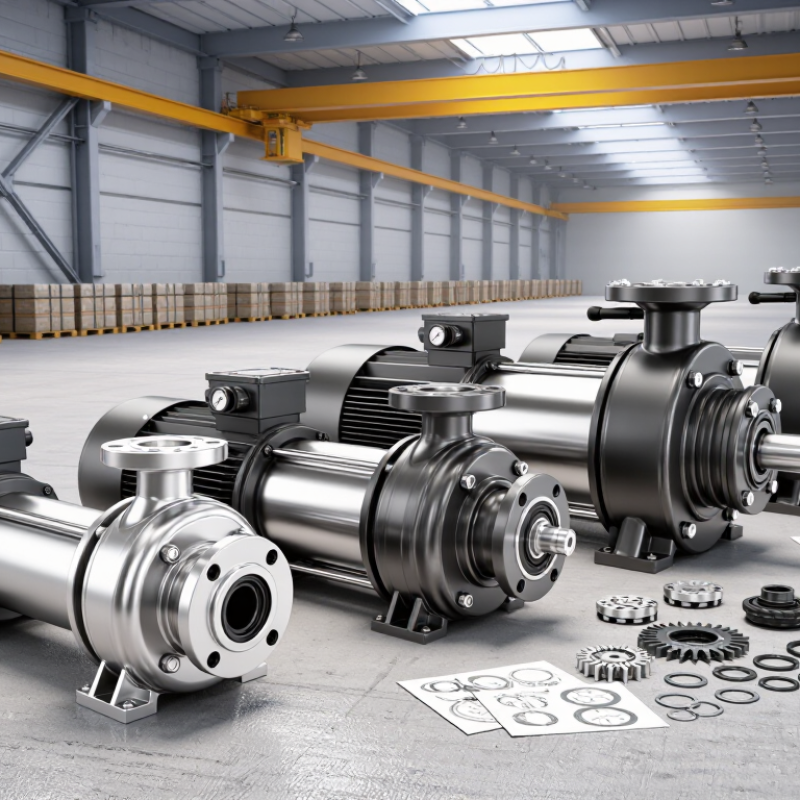
A suction pump moves liquid by creating lower pressure at its inlet. Atmospheric pressure then pushes fluid through the suction pipe. The pump does not pull water like a rope. That wording is convenient, but technically imperfect. Centrifugal models use a rotating impeller, while diaphragm models use a flexible membrane and check valves. Before operation, many centrifugal pumps need priming. Air trapped inside can stop flow, even when the motor sounds normal. A transparent section of pipe often reveals this problem immediately.
Selection depends on more than flow rate. Suction lift, pipe length, fluid temperature, viscosity, and available NPSH all matter. If inlet pressure falls too far, vapor bubbles form and collapse near the impeller. The result is noise, vibration, and metal damage. The U.S. Department of Energy reports that pumping systems can consume 25–50% of industrial facility electricity, so an undersized or poorly controlled pump can create lasting operating costs. Variable-speed control may reduce energy use, but only when matched to real demand.
Water demand adds pressure to equipment decisions. The United Nations World Water Development Report states that agriculture represents about 70% of global freshwater withdrawals. In irrigation, drainage, and process systems, a pump may run for thousands of hours annually. Buyers should verify test-curve data, seal materials, and dry-run protection. Manufacturer claims deserve checking. Field conditions are rarely as clean as laboratory conditions. A practical trial with measured suction pressure, discharge flow, and motor current often exposes assumptions that a catalogue cannot.
Suction pumps support water treatment, agriculture, construction, mining, and process manufacturing. Their designs differ because every site has different fluid, pressure, and operating conditions.
Centrifugal suction pumps handle clean water and low-viscosity liquids efficiently. They are common in irrigation systems and municipal pipelines. Positive displacement pumps move a fixed volume during each cycle. This makes them useful for thicker fluids, dosing, and stable flow control. Diaphragm pumps can manage contaminated liquids and fluids containing small solids. They also reduce leakage risks through separated fluid chambers. Self-priming models help where air enters the suction line. However, they may lose performance when the suction lift is excessive. Field testing often reveals this problem earlier than a catalog does.
Tips: Check suction lift, fluid temperature, viscosity, and particle size before selecting a pump. Measure pipe length and bends carefully. A narrow inlet can create cavitation, noise, and premature wear. Ask manufacturers for performance curves, material details, maintenance intervals, and tested efficiency data. Do not choose by flow rate alone. Energy use may become the larger cost after several years. In practice, operators sometimes underestimate cleaning access. That mistake is easy to make. A practical inspection plan should include seals, valves, vibration, and inlet screens. Procurement teams should also verify local service support and spare-part availability.
Choosing among top suction pump manufacturers requires more than comparing catalog prices. Buyers should examine field experience, engineering depth, and manufacturing consistency. A capable manufacturer can explain how its pumps handle air leaks, variable fluid levels, and continuous operation. Practical knowledge matters.
Request performance curves for the exact pump configuration. Check flow rate, vacuum range, power use, materials, and seal design. Stainless steel may suit corrosive environments, but it is not automatically the best choice.
Ask for test records, inspection procedures, and traceable quality documents. Reliable manufacturers welcome detailed questions. Vague answers deserve caution.
After-sales support also affects long-term value. Confirm spare-parts availability, technician training, response times, and remote troubleshooting methods. A supplier with regional service capacity can reduce costly downtime. References from similar industries provide stronger evidence than polished testimonials.
I have seen impressive specifications fail during dusty, humid installations. The factory had tested the pump, but not the real operating conditions. That gap should encourage careful site evaluation.
No supplier is perfect. Transparent limits often reveal more professionalism than confident promises. Buyers should compare lifecycle cost, not only the purchase invoice, while leaving room for independent inspection and performance verification.
Top suction pump manufacturers are increasingly judged by market strength, not catalog size. Market strength includes installed capacity, regional service coverage, testing facilities, and lifecycle support. Fortune Business Insights valued the global centrifugal pump market at about USD 40.8 billion in 2023. It projects the market to reach nearly USD 59.4 billion by 2032. This growth reflects demand from water treatment, chemicals, energy, and process manufacturing.
Efficiency remains a serious purchasing factor. The U.S. Department of Energy estimates pumping systems can consume 20–25% of industrial electricity. Strong manufacturers therefore provide hydraulic testing, variable-speed compatibility, corrosion-resistant materials, and documented efficiency curves. Buyers should inspect net positive suction head data carefully. Small errors can cause cavitation, vibration, and premature seal failure. Field service matters too. A nearby technician may prevent several days of production loss.
Market rankings are imperfect. Reported revenue can hide subcontracted production, uneven regional sales, or weak after-sales support. I would compare warranty response times, spare-parts availability, ISO 9001 processes, and verified project references. Independent testing is valuable. So is uncomfortable questioning. A lower purchase price may create higher energy and maintenance costs over ten years. Manufacturers with strong engineering depth and local support usually offer more dependable value, even when their initial quotation looks less attractive.
Global suction pump buyers should evaluate more than flow rate and purchase price. ISO 9906 provides a recognized framework for hydraulic performance testing, while IEC 60034 supports motor efficiency and safety verification. A credible manufacturer should provide certified test curves, material records, vibration data, and traceable serial documentation. These details matter when a pump operates continuously in a dusty plant or beside corrosive process water.
The IEA’s Energy Efficiency 2023 report states that electric motor systems consume roughly half of global electricity. Pump efficiency therefore affects both operating cost and emissions. The United Nations World Water Development Report 2024 also identifies agriculture as responsible for about 70% of global freshwater withdrawals. Buyers serving irrigation, utilities, or process facilities need efficient impellers, reliable seals, and controls suited to changing demand. Small losses become expensive over long operating hours.
Service capability often separates a dependable supplier from a low-cost exporter. Ask about commissioning support, spare-part availability, remote diagnostics, and response times across time zones. Clear manuals should include installation depth, priming instructions, seal replacement steps, and recommended inspection intervals. A certificate alone is not enough. During technical reviews, one overlooked detail—such as unsuitable elastomer material—can shorten service life dramatically. Specifications also change after site testing. Good manufacturers allow measured evidence to challenge the original design. That humility is useful, even if it complicates procurement.
This indicative 100-point procurement framework highlights the factors commonly reviewed by international buyers. Compliance documentation includes standards such as ISO 9001, CE, ATEX, API 610, and applicable electrical or pressure-equipment requirements. Actual priorities vary by fluid, operating conditions, destination market, and project specifications.