Choosing the best diaphragm chemical metering pump is less about finding one universally superior model and more about matching equipment to the process. A pump that performs well in a clean-water test may behave differently with a viscous, corrosive, or temperature-sensitive chemical. Small details matter. Required flow rate, discharge pressure, dosing accuracy, and wetted-material compatibility should all guide the selection.
A sound comparison checks more than the advertised maximum capacity. Review the manufacturer’s performance curve at your intended pressure, confirm the diaphragm and valve materials suit the chemical, and consider how easily operators can inspect or replace wear parts. Pulsation control, turndown range, control options, and installation conditions may also affect day-to-day performance. Reliable specifications and technical support are useful signs, but they do not replace checking the pump against the actual application. When possible, validate dosing under representative operating conditions and follow the manufacturer’s setup and maintenance instructions.
There is no perfect shortlist for every facility. Even careful calculations can overlook a change in viscosity or a small variation in back pressure; that deserves a second look. This guide explains the main pump types, selection criteria, and trade-offs to consider before choosing a diaphragm chemical metering pump. It aims to make the decision clearer, not to promise that one model will suit every system.
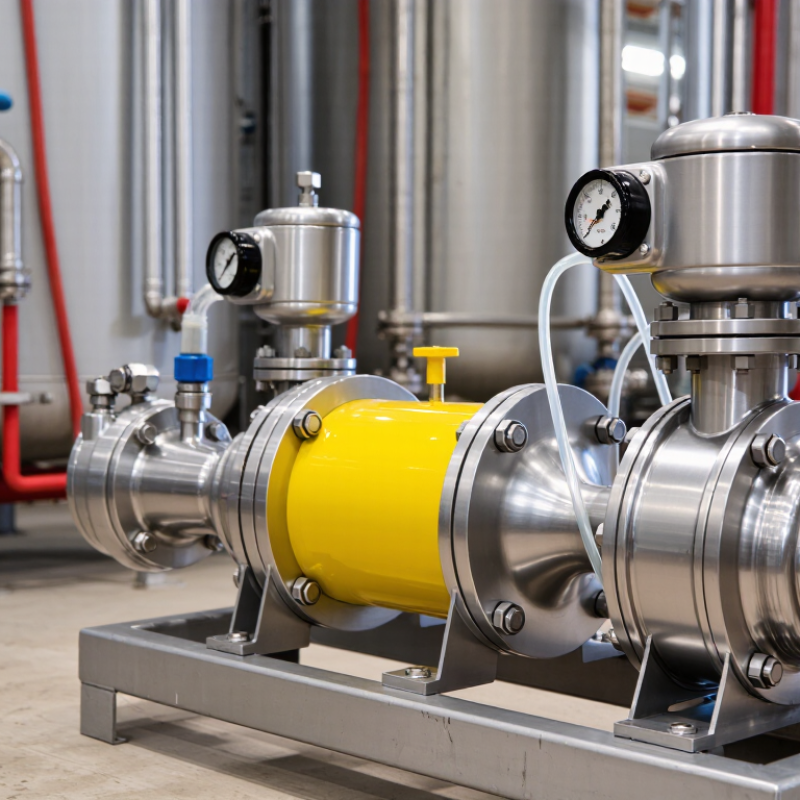
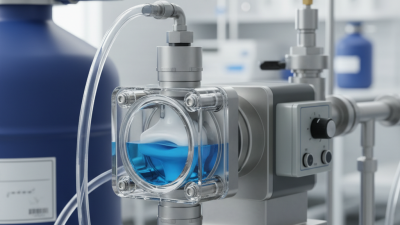
A diaphragm chemical metering pump moves a measured volume of liquid by flexing a diaphragm inside a pump head. A motor, solenoid, or hydraulic drive moves the diaphragm back and forth.
During suction, inlet valves open and liquid enters the chamber; during discharge, the valves redirect it into the process line.
The diaphragm separates the liquid from the drive mechanism, helping contain corrosive or hazardous fluids when the pump is correctly specified and maintained.
Its main purpose is controlled dosing, not simply moving large volumes. For example, a treatment system may need a steady feed of a pH-adjusting solution.
Flow rate, discharge pressure, chemical compatibility, and required accuracy all affect pump selection. That matters. Check the diaphragm and valve materials against the chemical, temperature, and concentration—not just the pump’s rated capacity.
Pulsation can also affect downstream readings, so a dampener or suitable control system may be needed. Even careful sizing can miss real operating conditions: viscosity changes, blocked injection points, or worn valves can alter delivery.
Regular calibration and inspection help reveal those differences before dosing drifts.
A diaphragm metering pump moves measured amounts of liquid by flexing a flexible barrier inside a small pumping chamber. A motor or solenoid drives the diaphragm back and forth. As it retracts, chamber volume increases and liquid enters through the inlet check valve. As it presses forward, the inlet closes and liquid exits through the discharge valve. That matters.
The repeated motion creates a controlled flow rather than a continuous stream. Changing the stroke length or stroke frequency adjusts the amount delivered, though actual output can vary with pressure, liquid viscosity, and installation conditions. A pump dosing a clear solution into a pipe may behave differently once bubbles collect near its valves. Small details count.
The diaphragm separates the process liquid from the drive mechanism, which can help limit leaks around a moving shaft. But the wetted materials still need to suit the chemical and operating temperature. Air trapped in the head can interrupt dosing, while worn check valves may let liquid slip backward. Not quite foolproof. In practice, operators should verify output by measuring delivered volume under real system pressure, not rely only on the pump’s setting. Calibration takes time, and readings can drift. That is an easy detail to overlook.
The diaphragm moves back and forth to draw liquid into the pump head and then push it out. The inlet and outlet check valves direct flow through the pump in one direction.
Illustrative normalized cycle: chamber volume increases during suction and decreases during discharge. The curve shows an idealized motion, not measured performance or a specification for a particular pump.
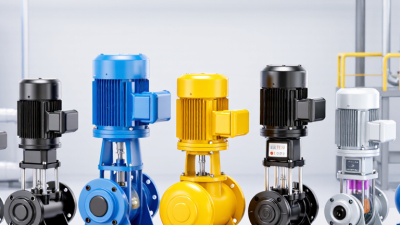
Diaphragm metering pumps come in several drive types, each suited to different dosing needs. Mechanically actuated models use a motor and linkage to move the diaphragm. They are often a practical choice for steady, continuous dosing. Hydraulic diaphragm pumps use fluid pressure to drive the diaphragm, which can help protect it from process-fluid stress. Some designs include leak detection, but features vary. Solenoid-driven pumps use electromagnetic pulses to move the diaphragm. They are typically compact and easy to adjust for smaller or intermittent flows. No type wins in every setup.
Tips: Check chemical compatibility, required flow, and discharge pressure before selecting a pump. Review the manufacturer’s operating limits, too. A liquid that looks thin in a sample cup may behave differently when cold.
For accurate selection, compare the actual operating conditions with the pump’s rated capacity and pressure. Consider whether the flow must be adjusted frequently, and whether pulsation could affect downstream equipment. A dampener may help smooth delivery. Installation details matter: suction-line length, foot-valve placement, and trapped air can all affect performance. In practice, the neatest specification on paper can still need adjustment after startup.
The best diaphragm chemical metering pump depends on the liquid and the job, not just its maximum flow rate. Check the chemical’s concentration, temperature, and compatibility with the pump head, diaphragm, and seals. A material that suits a dilute solution may wear quickly with a stronger one. Small details matter.
Operating conditions shape the choice. Match the required flow and discharge pressure, then check suction lift and line losses. Consider how much adjustment the process needs: a pump that runs near its limit may struggle to deliver steady, repeatable dosing. Pulsation can also affect sensitive processes, so review whether a pulsation dampener or other flow-control equipment is needed. The first sizing estimate is rarely the whole answer.
Controls and maintenance matter, too. Decide whether manual adjustment is enough or whether the pump must respond to a process signal. For accurate dosing, allow for calibration under actual operating conditions; displayed settings alone do not confirm delivered flow. Check access to the diaphragm, valves, and seals, plus the expected replacement interval. A compact pump may fit the skid but leave little room for service. That trade-off is easy to miss. A trial with the actual fluid can reveal problems that a datasheet cannot.
A diaphragm metering pump performs reliably when its wetted parts suit the chemical, pressure, and flow range. Maintenance starts with the equipment manual and a safe shutdown. Isolate power, relieve pressure, and wear protective equipment appropriate for the fluid. Never loosen a fitting on a pressurized line. Check the diaphragm and seals for cracks, swelling, or seepage. Small leaks matter.
Tips: Inspect tubing, valves, and connections regularly. Look for salt deposits, damp spots, or unusual pulsing. Keep a simple service log; dates and flow readings can reveal gradual changes.
Clean the pump head only with a method approved for its materials and process fluid. Incompatible cleaners can damage seals, even when they appear mild. Check valve components for buildup, then confirm they move freely before reassembly. Replace worn parts with compatible components, and tighten fittings to the specified torque rather than guessing. After servicing, restore pressure gradually and inspect for leaks. Verify output by measuring delivery over a known interval. If readings drift, review the calibration, suction conditions, and valves before changing settings. I have found that maintenance records are useful, but they do not explain every fluctuation; investigate the actual installation too.