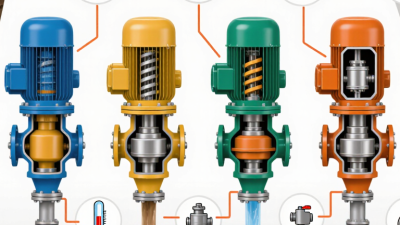
Choosing the right pump can shape an entire fluid-handling system. It affects energy use, maintenance time, product quality, and operating safety. For global buyers, the decision is rarely as simple as comparing prices. A pump that performs well in a clean-water plant may struggle with abrasive slurry, viscous oil, or corrosive chemicals. The wrong selection can cause vibration, seal failure, overheating, and unexpected downtime.
This guide examines 10 best types of pumps for global buyers, including centrifugal, positive displacement, diaphragm, gear, screw, peristaltic, piston, plunger, submersible, and magnetic drive designs. Each type has a practical role, but no single pump suits every facility. Flow rate, pressure, fluid temperature, viscosity, solids content, installation depth, and available power must all be checked. Small details matter. A damaged mechanical seal may stop a production line faster than expected.
Real-world purchasing experience also shows that datasheets do not tell the whole story. Supplier support, spare-part availability, certifications, warranty terms, and local service capacity can determine long-term value. Sometimes, the cheapest unit becomes the most expensive choice. That lesson is easy to overlook.
The comparisons ahead focus on performance, applications, strengths, limitations, and buying considerations. They are designed to help engineers, distributors, contractors, and industrial buyers ask better questions before placing an order. Verify every specification with the manufacturer. Conditions vary. Careful selection remains the safest investment.
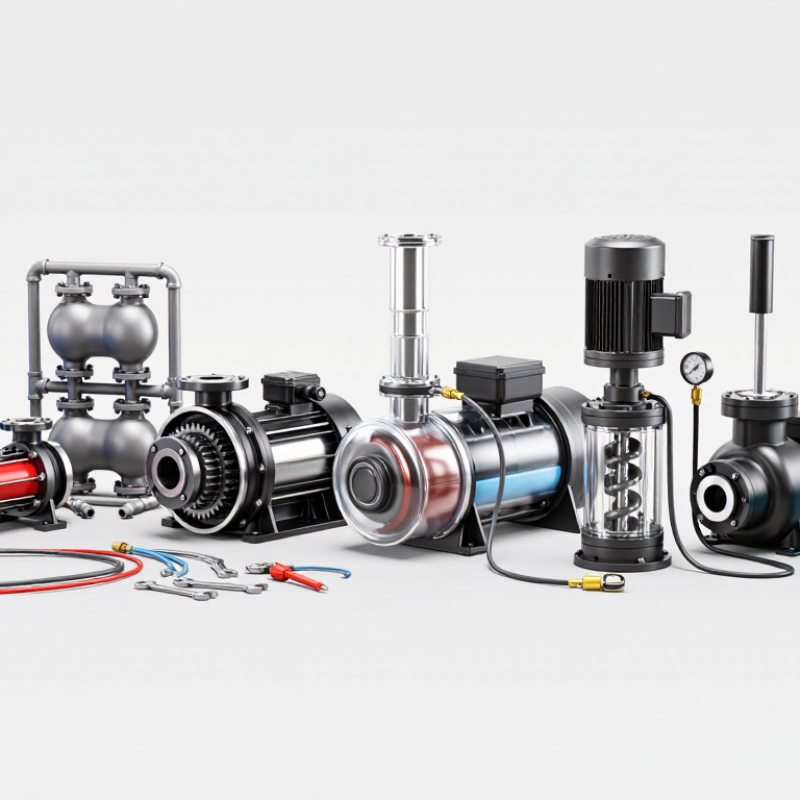
10 Best Types of Pumps for Global Buyers?
Pump selection begins with fluid behavior, not catalog popularity. Centrifugal pumps add velocity with a rotating impeller, then convert it into pressure. They suit clean water and steady, high-flow duties. Axial-flow pumps move large volumes at low head, while mixed-flow pumps balance both demands. Submersible pumps operate below the liquid surface, reducing suction-lift problems. They are practical for drainage, wells, and wastewater.
Positive-displacement pumps move measured volumes through repeated chamber changes. Gear pumps handle viscous oils and polymers. Screw pumps provide smooth flow with limited pulsation. Piston and plunger pumps generate high pressure for dosing and cleaning systems. Diaphragm pumps isolate the fluid from moving mechanical parts. Peristaltic pumps compress flexible tubing, making them useful for abrasive slurries and sensitive chemicals. Progressive-cavity pumps transport thick, solids-bearing fluids at controlled rates.
The U.S. Department of Energy reports that pumping systems can consume 25–50% of industrial facility electricity. Efficiency matters. A smaller impeller, variable-speed control, or improved pipe layout may reduce operating demand. The 2024 UN World Water Development Report also identifies agriculture as responsible for roughly 70% of global freshwater withdrawals. This makes reliable irrigation pumping especially important.
Field experience shows that “best” is rarely universal. Viscosity, solids, temperature, pressure, and maintenance access can change the answer. NPSH errors remain common. A pump may perform well in testing but fail after installation because the suction line is undersized. Buyers should verify duty points against recognized hydraulic standards and request tested performance curves. That extra check can prevent an expensive mismatch.
10 Best Types of Pumps for Global Buyers?
Ten Essential Pump Types for International Buyers
Pump selection starts with the fluid, not the catalog photograph. The U.S. Department of Energy reports that pumping systems can consume 25–50% of an industrial facility’s electricity. For global buyers, the ten essential types are centrifugal, positive displacement, diaphragm, piston, gear, screw, peristaltic, submersible, axial-flow, and vortex pumps. Centrifugal pumps suit clean, low-viscosity liquids and steady flow. Positive displacement designs handle thicker fluids and accurate dosing. Diaphragm pumps tolerate chemicals and suspended solids. Piston pumps provide high pressure, while gear and screw pumps move oils smoothly. Peristaltic pumps protect sensitive fluids inside flexible tubing. Submersible pumps work below water level. Axial-flow models move large volumes at low head. Vortex pumps reduce clogging risks.
The International Energy Agency identifies electric motor systems as major global electricity users, making efficiency a practical purchasing issue. Buyers should compare duty-point efficiency, motor voltage, seal materials, spare-parts access, and local service capability. A pump rated for 50 cubic metres per hour may perform poorly if the piping creates excessive resistance. Small details matter. Measure suction conditions carefully. Standards such as ISO 5199 and API 610 can support clearer technical specifications, depending on the application. Yet a compliant pump is not automatically the best pump. A neat spreadsheet can miss seasonal flow changes, abrasive particles, or unstable power quality. That gap deserves honest review.
| No. | Pump Type | Operating Principle | Typical Flow Range | Typical Pressure or Head | Suitable Fluids | Best Applications | Main Advantages | Key Limitations | Important Selection Factors |
|---|---|---|---|---|---|---|---|---|---|
| 1 | Centrifugal Pump | A rotating impeller converts mechanical energy into fluid velocity, which is then converted into pressure in the casing. | Approximately 1–10,000 m³/h, depending on design and size. | Typically 5–250 m head; multistage designs can provide higher heads. | Clean water, treated water, light chemicals, fuels, and low-viscosity liquids. | Water supply, irrigation, cooling systems, process circulation, and general industrial transfer. | Simple construction, continuous flow, broad capacity range, and generally low maintenance. | Performance decreases with high viscosity; requires adequate suction conditions and may be sensitive to cavitation. | Flow rate, total dynamic head, fluid temperature, viscosity, solids content, NPSH available, and material compatibility. |
| 2 | Gear Pump | Meshing gears trap and carry a fixed volume of liquid from the inlet to the outlet. | Approximately 0.1–400 m³/h. | Commonly 3–25 bar; some heavy-duty designs operate at higher pressures. | Oils, lubricants, polymers, fuel, resin, and other clean, viscous liquids. | Metering, lubrication, fuel transfer, chemical dosing, and hydraulic applications. | Compact, self-priming in many applications, steady positive-displacement flow, and good performance with viscous liquids. | Not suitable for abrasive solids; dry running can cause rapid wear; internal clearances affect efficiency. | Viscosity, required pressure, speed, fluid abrasiveness, temperature, seal type, and dry-run protection. |
| 3 | Screw Pump | One or more rotating screws move liquid axially through the pump with low pulsation. | Approximately 0.5–2,000 m³/h. | Typically 5–100 bar, depending on screw configuration and stages. | Oil, fuel, polymers, viscous chemicals, multiphase liquids, and liquids containing limited gas. | Oil transfer, marine systems, process plants, fuel handling, and high-viscosity fluid service. | Low-pulsation flow, quiet operation, good suction capability, and effective handling of viscous fluids. | Higher purchase cost than basic centrifugal pumps; sensitive to abrasive contamination and improper operation. | Viscosity range, gas content, abrasive particles, pressure, speed, temperature, and lubrication properties. |
| 4 | Diaphragm Pump | Flexible diaphragms reciprocate to create suction and discharge while isolating the drive mechanism from the fluid. | Approximately 0.01–200 m³/h. | Air-operated models commonly reach 7–8 bar; electric and hydraulic versions may reach higher pressures. | Corrosive chemicals, slurries, wastewater, paints, solvents, and liquids containing suspended solids. | Chemical transfer, wastewater treatment, dosing, filtration, and hazardous or shear-sensitive fluids. | Can run dry for limited periods, handles solids well, offers leak-resistant fluid isolation, and provides self-priming capability. | Pulsating flow, diaphragm wear, compressed-air consumption for air-operated models, and limited efficiency at high flow. | Diaphragm material, chemical compatibility, solids size, pressure, flow pulsation, air quality, and duty cycle. |
| 5 | Piston or Plunger Pump | A reciprocating piston or plunger displaces a controlled volume of liquid through inlet and discharge valves. | Approximately 0.01–500 m³/h. | Commonly 50–1,000 bar; specialized systems can operate at higher pressures. | Clean water, chemicals, oils, metering fluids, and high-pressure process liquids. | High-pressure cleaning, water injection, reverse osmosis feed, pressure testing, and precision dosing. | Very high pressure capability, accurate metering, and strong volumetric efficiency. | Produces pulsation, generally requires more maintenance, and is less suitable for abrasive or solids-laden liquids. | Pressure, flow accuracy, pulsation control, valve design, seal material, fluid cleanliness, and operating speed. |
| 6 | Peristaltic Pump | Rotating rollers or shoes compress a flexible tube or hose, moving liquid without contact with the pump mechanism. | Approximately 0.001–150 m³/h. | Typically up to 15–16 bar, depending on hose design and size. | Abrasive slurries, chemicals, wastewater, pigments, food ingredients, and shear-sensitive liquids. | Dosing, laboratory transfer, mineral processing, wastewater treatment, and hygienic applications. | Excellent fluid isolation, handles abrasive solids, can run dry, and provides reversible flow with simple maintenance. | Hose or tube wear, pulsating flow, limited pressure and speed, and reduced performance at high temperatures. | Hose material, chemical compatibility, particle size, pressure, cycle frequency, temperature, and replacement cost. |
| 7 | Progressive Cavity Pump | A helical rotor moves through an elastomeric stator, forming sealed cavities that transport liquid steadily. | Approximately 0.1–500 m³/h. | Typically 6–48 bar, depending on the number of stages. | Sludge, wastewater, food products, polymers, oils, and liquids containing suspended solids. | Sludge handling, dewatering, wastewater treatment, food processing, and viscous product transfer. | Low-pulsation flow, good solids handling, accurate dosing, and effective performance with high-viscosity liquids. | Stator wear, possible damage from dry running, and elastomer compatibility concerns. | Solids concentration, particle size, viscosity, elastomer selection, dry-run protection, speed, and maintenance access. |
| 8 | Rotary Lobe Pump | Counter-rotating lobes trap and gently transfer liquid through the pump chamber. | Approximately 0.5–400 m³/h. | Commonly 3–25 bar, depending on model and operating conditions. | Food products, beverages, creams, pharmaceutical liquids, slurries, and viscous chemicals. | Hygienic processing, gentle product transfer, filling systems, and liquid-solid mixtures. | Gentle handling, reversible operation, easy cleaning options, and relatively good solids passage. | Lower pressure capability than many reciprocating pumps; sensitive to abrasive wear and excessive pressure. | Hygiene standard, fluid viscosity, shear sensitivity, solids size, clean-in-place requirements, and seal selection. |
| 9 | Submersible Pump | The motor and pump are immersed in the liquid, allowing the unit to push fluid without a conventional suction lift. | Approximately 1–10,000 m³/h. | Typically 5–150 m head, depending on impeller and motor design. | Drainage water, sewage, stormwater, groundwater, and abrasive wastewater. | Sump drainage, construction dewatering, sewage lifting, flood control, and deep-well applications. | Quiet operation, no priming requirement, compact installation, and effective handling of flooded or deep locations. | Electrical components require effective sealing; access for inspection may be more difficult; cable and motor protection are critical. | Submergence depth, solids size, liquid temperature, cable length, motor protection, corrosion resistance, and lifting arrangements. |
| 10 | Axial-Flow or Mixed-Flow Pump | An impeller moves liquid primarily parallel to the shaft in axial-flow designs, or combines axial and radial movement in mixed-flow designs. | Approximately 500–100,000 m³/h. | Usually 2–30 m head, depending on pump configuration and duty point. | Clean water, lightly contaminated water, cooling water, and low-viscosity liquids. | Flood control, irrigation, drainage, circulation, cooling-water systems, and low-lift water transfer. | Very high flow capacity, efficient operation at low head, and suitability for large-scale water movement. | Not suitable for high-pressure duties; efficiency can fall significantly away from the design flow. | Required flow, low-head system curve, submergence, impeller diameter, variable-speed control, debris content, and installation geometry. |
The best pump depends on the fluid, distance, temperature, and operating schedule. Centrifugal pumps suit steady water flow, while diaphragm, gear, screw, and piston pumps handle thicker or sensitive fluids. Mixed-flow and axial-flow pumps can move large volumes at lower pressure. Submersible and self-priming designs help where installation conditions are difficult. Air-operated double-diaphragm pumps remain useful when electrical access is limited.
Flow rate and pressure must be checked together. A pump delivering 100 cubic meters per hour may fail if the system requires excessive head. Measure pipe length, elevation, bends, valves, and friction losses before choosing a model. Material compatibility matters too. Stainless steel, cast iron, plastics, and special alloys react differently to acids, salts, oils, and abrasive particles. Efficiency is not only a catalog percentage. Motor loading, maintenance access, leakage, and part availability affect lifetime cost. A perfect selection is rare. Real systems change.
Tips: Request a performance curve, not only a rated flow. Compare the duty point with the curve’s efficient range. Leave a practical margin, but avoid oversizing. Oversized pumps often throttle flow, waste energy, and create unstable operation. Verify seals, bearings, noise limits, and local electrical requirements. A small pilot test can expose problems that calculations miss. Experiences vary. Document assumptions before approval.
Choosing among ten pump families starts with the duty, not the catalog.
For clean water, end-suction centrifugal and multistage pumps suit steady flow and pressure. Submersible pumps simplify deep wells and flood pits. Axial-flow and mixed-flow pumps move large volumes at low heads.
Agriculture needs these options because FAO AQUASTAT reports that agriculture represents about 70% of global freshwater withdrawals. Field conditions matter more than attractive specifications. Mud, sand, fertilizer, and long pipe runs quickly expose weak selections.
Industry and energy facilities often demand controlled dosing, abrasion resistance, or high pressure.
Diaphragm and peristaltic pumps handle chemical dosing and sensitive fluids. Gear, screw, and progressive-cavity pumps manage viscous liquids. Rotary lobe pumps can protect shear-sensitive products. Multistage centrifugal designs support high-pressure water and boiler-feed duties.
The U.S. Department of Energy notes that pumping systems can represent about 25% of industrial electricity use. IEA reports that water and wastewater services consume roughly 4% of global electricity. Energy and maintenance should be priced across the pump’s life. A low purchase price can become expensive.
Tips:
Confirm flow, total dynamic head, temperature, solids size, duty cycle, and motor voltage. Ask for a pump curve at the real operating point. Check NPSH margin; cavitation sounds like gravel in the casing. Local codes still govern. I once chose a pump from peak flow alone. It worked, but throttling wasted power. That mistake remains worth remembering. Field data is rarely perfect.
Choosing among the 10 best pump types starts with the duty, not the catalogue. Centrifugal pumps suit steady, high-flow transfer, while positive-displacement pumps handle viscous fluids and accurate dosing. Confirm flow, head, temperature, solids, viscosity, and operating hours. A small mismatch can create cavitation, seal damage, or unstable output.
Standards make global purchasing safer. Request performance curves tested under ISO 9906 conditions, and check whether ISO 5199 or API 610 applies to the service. Electrical data should match the destination market, including voltage, frequency, motor efficiency, and enclosure rating. The U.S. Department of Energy reports that pumping systems can represent about 25% of industrial electricity use. Europump’s life-cycle-cost guidance also shows that energy can dominate total pump ownership cost, often exceeding the purchase price several times over. However, suppliers sometimes present ideal efficiency. Real installations are less tidy.
Compare at least three qualified suppliers using identical specifications. Ask for material certificates, test records, spare-parts lists, warranty terms, and local service response times. Evaluate total cost, not only the quoted unit price. Include commissioning, controls, seals, maintenance, freight, and expected electricity use. I have seen a cheaper pump become expensive after repeated seal replacement. That lesson is easy to miss.
Tips: Build a one-page comparison sheet. Record duty points, standards, efficiency, lead time, service coverage, and five-year operating cost. Ask suppliers to explain assumptions in writing. Leave room for uncertainty; site conditions may change the calculation.