
Why Do Buyers Choose Chemical Injection Pumps?
Buyers choose chemical injection pumps when a process needs controlled, repeatable dosing under demanding conditions. A pump may deliver corrosion inhibitor into a high-pressure pipeline, or inject a small volume of methanol from a compact skid. The right choice can protect equipment, stabilize operations, and reduce wasted chemical. Small details matter: fluid viscosity, seal compatibility, pressure changes, and the accuracy required at low flow rates.
The decision is rarely based on price alone. Buyers compare metering accuracy, materials, maintenance access, spare-part availability, and the supplier’s technical support. A pump that performs well in a brochure may still prove difficult to calibrate beside a vibrating compressor or in a cramped enclosure. That matters. Operators need clear controls and service steps they can follow during a busy shift. Yet no pump removes every risk; poor chemical data or an unsuitable installation can undermine a sound specification.
A verified expert quotation should strengthen this discussion, not decorate it. No source article or verifiable expert statement was supplied, so I cannot responsibly invent a name or quote. Insert a sourced quotation here from a chemical-injection pump engineer, then explain how it relates to application fit, reliability, or lifecycle cost. This restraint is useful. Buyers deserve claims they can check, especially when selecting chemical injection pumps for continuous service.
What Chemical Injection Pumps Are and How They Work
Why Do Buyers Choose Chemical Injection Pumps?
What Chemical Injection Pumps Are and How They Work
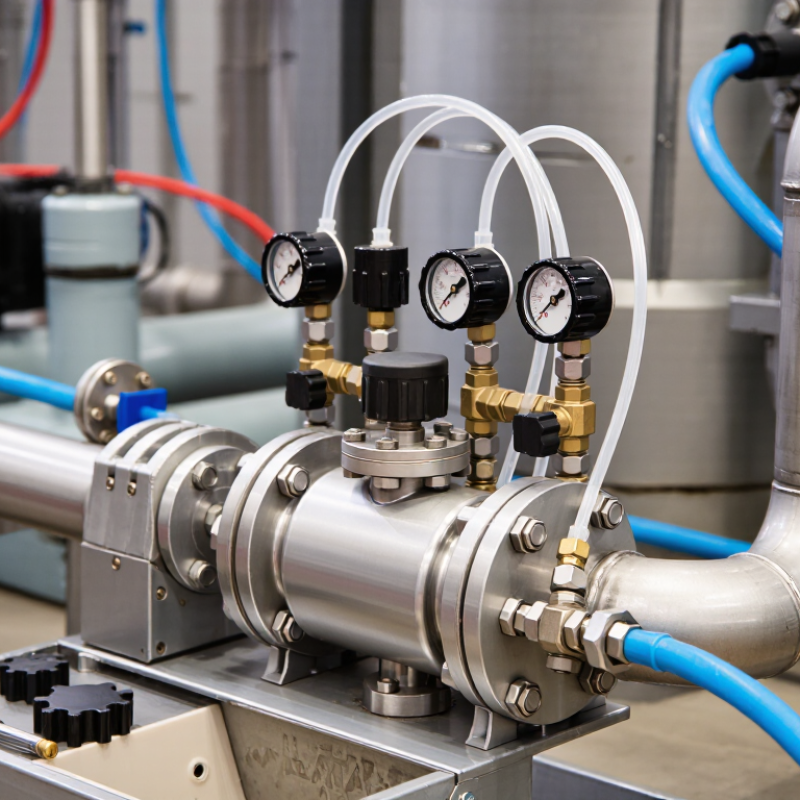
A chemical injection pump meters a controlled amount of liquid into a pipeline, tank, or process stream. Operators use them when a treatment must be delivered steadily, even as flow or pressure changes. Common applications include adding corrosion inhibitors, disinfectants, or pH-adjusting chemicals. The exact setup depends on the fluid and process.
Inside the pump, a motor or other drive moves a diaphragm or plunger. This creates a measured stroke that draws liquid from a supply container and pushes it through a discharge line. Check valves help keep the liquid moving in one direction. At the injection point, pressure must be sufficient to overcome the process pressure; otherwise, delivery may become erratic. A pump can look correctly sized on paper and still perform differently in the field. Small details matter. Viscosity, tubing length, and trapped air can all affect dosing.
Tips: Confirm chemical compatibility before selecting wetted parts. Prime the pump according to its instructions, and inspect valves and connections for leaks. Keep a simple record of stroke settings and actual delivery. It is easy to assume the dial tells the whole story; measuring the output is more reliable.
Why Do Buyers Choose Chemical Injection Pumps? - What Chemical Injection Pumps Are and How They Work
| Pump Type | How It Works | Typical Flow Range | Typical Pressure Range | Why Buyers Choose It | Common Applications | Key Selection Considerations |
|---|---|---|---|---|---|---|
| Solenoid-Driven Diaphragm Metering Pump | An electromagnet moves a diaphragm back and forth. Inlet and discharge check valves direct the chemical through the pump head in measured strokes. | About 0.1–20 L/h | About 5–20 bar | Compact design, adjustable dosing, and relatively simple installation make it suitable for small, controlled chemical feeds. | Water treatment, disinfection, pH adjustment, and small process systems. | Confirm chemical compatibility, required dosing accuracy, control signal, and the pressure needed at the injection point. |
| Mechanically Driven Diaphragm Metering Pump | A motor and mechanical linkage move a diaphragm to create suction and discharge strokes. The diaphragm separates the liquid from the drive mechanism. | About 1–1,000 L/h | About 5–30 bar | Buyers often select it for reliable, repeatable dosing across a broader capacity range than many small solenoid models. | Industrial water treatment, chemical processing, and utility dosing systems. | Check the required turndown, pulsation control, diaphragm material, and whether the pump can handle the fluid’s viscosity and temperature. |
| Hydraulically Actuated Diaphragm Metering Pump | Hydraulic fluid drives the process diaphragm, which displaces the chemical through check valves. The process liquid is separated from the pump’s mechanical components. | About 1–5,000 L/h | About 10–350 bar | Chosen for accurate metering at elevated discharge pressures and for applications where process-fluid containment is important. | Oil and gas chemical injection, high-pressure process dosing, and water-treatment systems. | Verify maximum pressure, materials, relief protection, pulsation requirements, and compatibility with the specific chemical. |
| Plunger Metering Pump | A reciprocating plunger moves directly in a pump chamber. Inlet and discharge valves control flow as the plunger retracts and advances. | About 0.1–1,000 L/h | About 50–1,000 bar, depending on design and capacity | Can deliver measured doses against high system pressure and is available in designs for demanding injection duties. | High-pressure process dosing, boiler treatment, and selected oil and gas applications. | Assess leakage containment, seal wear, chemical abrasiveness, pressure fluctuations, and the need for maintenance access. |
| Peristaltic Metering Pump | Rotating rollers or shoes compress a flexible tube, moving liquid forward without requiring valves in the fluid path. | About 0.01–500 L/h | Usually below 10 bar; limits depend on tubing and pump design | Useful when fluid-path simplicity, easy cleaning, or reduced contact between the chemical and pump components is important. | Laboratory dosing, water treatment, and handling some viscous or particle-bearing fluids. | Consider tubing life, chemical compatibility, temperature, pressure limit, and the effect of tubing wear on flow accuracy. |
| Air-Operated Double-Diaphragm Pump | Compressed air alternately moves two diaphragms, drawing liquid into one chamber while discharging it from the other. | About 1–1,000 L/min, depending on pump size | Typically up to about 8 bar, depending on air supply and model | Often selected for transferring chemicals where self-priming capability and the absence of an electric motor at the pump are useful. | Chemical transfer, tank unloading, and intermittent process-fluid movement. | It is generally a transfer pump rather than a precision metering pump. Consider air consumption, pulsation, and flow-control needs. |
How chemical injection pumps work: A pump draws a measured or controlled volume of chemical from a supply tank and delivers it through an injection line into a process stream, vessel, or pipeline. Actual flow and pressure depend on pump size, materials, fluid properties, installation, and operating conditions. The ranges above are indicative only; consult the pump specification for a particular application.
Related Posts
-

10 Best Chemical Injection Pumps for Optimal Performance?
-

2025 Top Chemical Metering Pump Innovations and Best Practices
-
7 Essential Tips for Choosing the Right Chemical Injection Pumps
-
Exploring Market Trends for Chemical Feed Pumps at the 138th Canton Fair 2025 in China
-

2026 Top Diaphragm Metering Pump Trends and Innovations?
-
Why Choose the Right Metering Pump Types for Your Needs?