Top 10 Commercial Pump Types for Efficient Water Management Solutions?

Water management is crucial for both businesses and communities. Efficient solutions depend heavily on the type of equipment used. Among these, commercial pumps play a key role. They help move water in various settings, from agricultural fields to urban developments.

John Miller, a leading expert in the commercial pump industry, once stated, “The right pump can impact both cost and efficiency dramatically.” This highlights the importance of selecting the appropriate pump type. Commercial pumps come in various designs, each serving different functions. The right choice can save resources while enhancing performance.

However, not all pumps are suitable for every situation. This can lead to inefficiencies and increased expenses. Understanding the various commercial pump types available is essential. By making informed decisions, businesses can optimize their water management systems. This requires a careful assessment of needs and potential challenges. Effective water management is more than just pumps; it's about strategic choices.

Top 10 Commercial Pump Types for Efficient Water Management Solutions?

Overview of Commercial Pumps in Water Management
Top 10 Commercial Pump Types for Efficient Water Management Solutions?

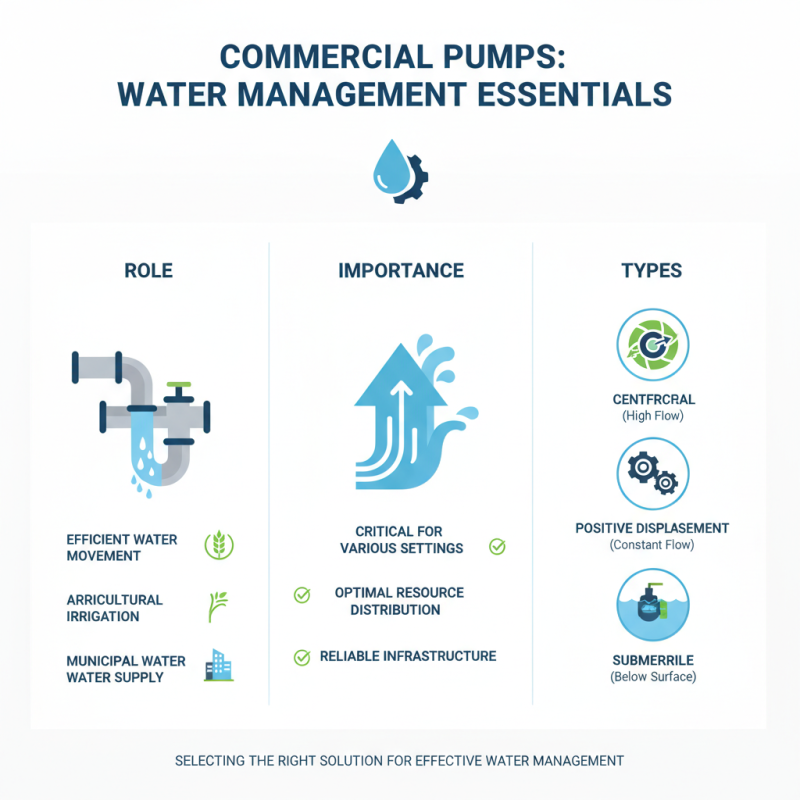
Commercial pumps play a vital role in effective water management. They are designed to move water efficiently across various settings. From agricultural irrigation to municipal water supply, these pumps are essential tools. Understanding their types can help organizations select the right solutions.

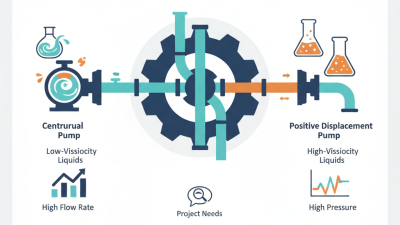
There are several types of commercial pumps, including centrifugal, positive displacement, and submersible pumps. Each type serves different needs. Centrifugal pumps are great for moving large volumes of water quickly. Positive displacement pumps, on the other hand, are ideal for precise flow control. Submersible pumps can handle deep well applications effectively.

While technology has advanced, choosing a pump is not always straightforward. Factors like energy efficiency and maintenance costs can be tricky. Misjudging the required flow rate can lead to inefficiencies. Over time, this can hurt budgets and performance. Investing in the right pump involves evaluating specific needs carefully, despite the complexity.
Types of Centrifugal Pumps and Their Applications

Top 10 Commercial Pump Types for Efficient Water Management Solutions?

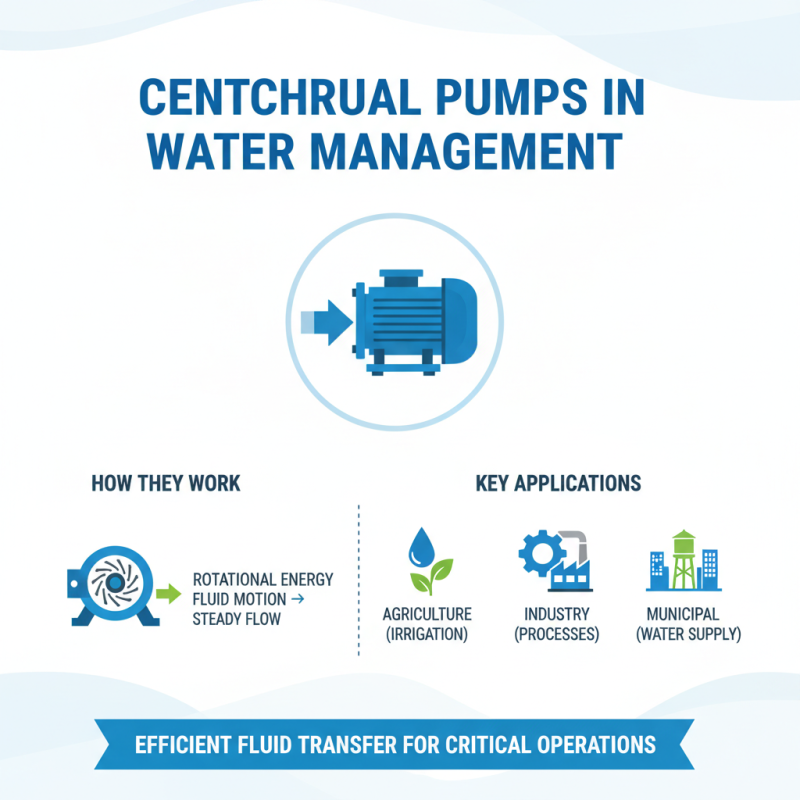
Centrifugal pumps play a crucial role in water management solutions. These pumps use rotational energy to move fluids efficiently. They find applications across agriculture, industry, and municipal systems. Their design allows for a steady flow, which is essential in various operations.

In agriculture, centrifugal pumps are often used for irrigation. They help deliver water from rivers or wells to fields. Farmers rely on these pumps to optimize crop yield. However, factors like soil type or pump placement can limit effectiveness. In urban settings, these pumps are vital for wastewater management. They transport sewage and stormwater, ensuring sanitation.

Despite their advantages, centrifugal pumps have drawbacks. High maintenance costs can arise if not properly managed. Energy consumption may also be higher than expected. Regular inspection is necessary to ensure optimal performance. Users must reflect on these aspects to maximize efficiency.

Diaphragm Pumps: Versatility and Benefits in Water Management

Diaphragm pumps have become essential in modern water management. They are notable for their versatility and efficiency. These pumps can handle various fluids, including corrosive and viscous liquids. According to a recent industry report, diaphragm pumps are gaining traction, thanks to their ability to deliver precise flow rates.

The construction of diaphragm pumps allows them to create a sealed environment. This prevents contamination during the pumping process. In settings where purity is crucial, like water treatment, this characteristic is invaluable. Moreover, these pumps often achieve efficiencies of over 90%. This statistic is vital, especially as industries push for lower operational costs.

However, there can be challenges. Diaphragm pumps may require more maintenance than other pump types. The diaphragm itself can wear out, leading to potential downtime. Addressing these issues early is crucial for sustained performance. Some may overlook the importance of regular inspections, but they help ensure optimal operations.

Submersible Pumps: Key Features for Efficient Water Transfer

Submersible pumps are essential for effective water transfer in various applications. These pumps are designed to operate underwater, making them a popular choice for drainage, irrigation, and wastewater management. One key feature is their ability to handle a wide range of water levels. They can operate at different depths, ensuring consistent performance.

Another important aspect is their energy efficiency. Many submersible pumps are designed with advanced technology to minimize energy consumption. This is especially beneficial in large-scale operations where electricity costs can quickly add up. However, not all submersible pumps are created equal. Some models may struggle in murky water or can become clogged easily. Regular maintenance is crucial for optimal operation.

Installation can be straightforward, but challenges may arise. Proper placement is vital to avoid issues down the line. Sometimes, they may require a dedicated power source to function effectively. Also, the noise level can be a concern in residential areas. While these pumps offer many advantages, users should assess their specific needs carefully to ensure they choose the right model.

Top 10 Commercial Pump Types for Efficient Water Management Solutions

Pump Type Key Features Common Applications Efficiency Rating
Submersible Pump Compact design, noise reduction, high efficiency Wastewater treatment, drainage, groundwater extraction 85%
Centrifugal Pump High flow rates, simple design, low cost Irrigation, cooling systems, water supply 80%
Diaphragm Pump Self-priming, versatile, able to handle viscous fluids Chemical transfer, food and beverage 90%
Gear Pump Smooth flow, suitable for high pressure Petroleum, hydraulic applications 85%
Piston Pump High pressure, efficient flow control Water injection, chemical processing 87%
Screw Pump Non-pulsating flow, ability to handle slurries Heavy industry, oil transport 88%
Vacuum Pump Creates vacuum, suitable for degassing Packaging, pharmaceutical 82%
Eccentric Screw Pump Gentle pumping, minimizes shear Wastewater, food processing 90%
Hydraulic Pump High efficiency, used in various systems Construction machinery, automotive 84%
Turbine Pump High head, suitable for deep well applications Irrigation, municipal water supply 86%

Choosing the Right Pump Type for Specific Water Management Needs

Choosing the right pump type is crucial for effective water management. Different applications require different solutions. For instance, submersible pumps are ideal for deep well applications, offering efficiency in removing water from deep sources. According to industry research, submersible pumps can improve energy efficiency by up to 40%.

Tips: Assess your water source first. Understanding its depth and flow rate is essential for selecting the correct pump type.

Another important option is centrifugal pumps. They handle high flow rates and are commonly used in irrigation systems. Their ability to move large amounts of water quickly makes them valuable in agriculture. However, they may not perform well under low pressure situations.

Tips: Always monitor the operational conditions. Overworking a pump can lead to increased wear and tear.

Remember, matching the pump to the specific needs of your water system is critical. Users often underestimate the importance of factors like viscosity, temperature, and solids content in water. These elements can greatly influence pump performance. Choosing poorly can result in inefficiency and increased costs. Adjust your choices as necessary.

Top 10 Commercial Pump Types for Efficient Water Management Solutions