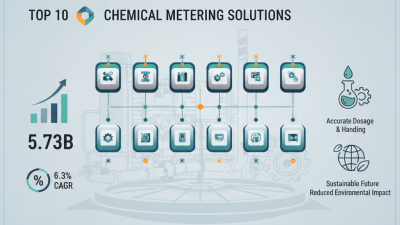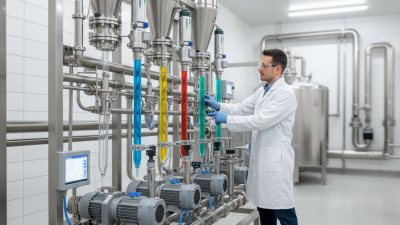
In the ever-evolving world of industrial processes, efficiency is paramount. Chemical feed systems play a crucial role in achieving this goal. Dr. Emily Carter, an expert in chemical engineering, once stated, "The right chemical feed system can transform operations, enhance safety, and reduce costs." This insight underscores the importance of careful selection and implementation of these systems.
Chemical feed systems ensure precise dosing of chemicals in various industries. They facilitate optimal chemical reactions while minimizing waste. Yet, many companies overlook the nuances of system design. A poorly designed system can lead to inefficiencies and even safety hazards. It requires experience to identify the right components and configurations that meet specific needs.
Choosing the ideal chemical feed system is not always straightforward. Each application presents unique challenges. Stakeholders must consider factors like compatibility, flow rates, and environmental impacts. Engaging with experts and exploring top options can mitigate risks. This article delves into the top 10 chemical feed systems, offering insights into efficient solutions while acknowledging potential pitfalls.
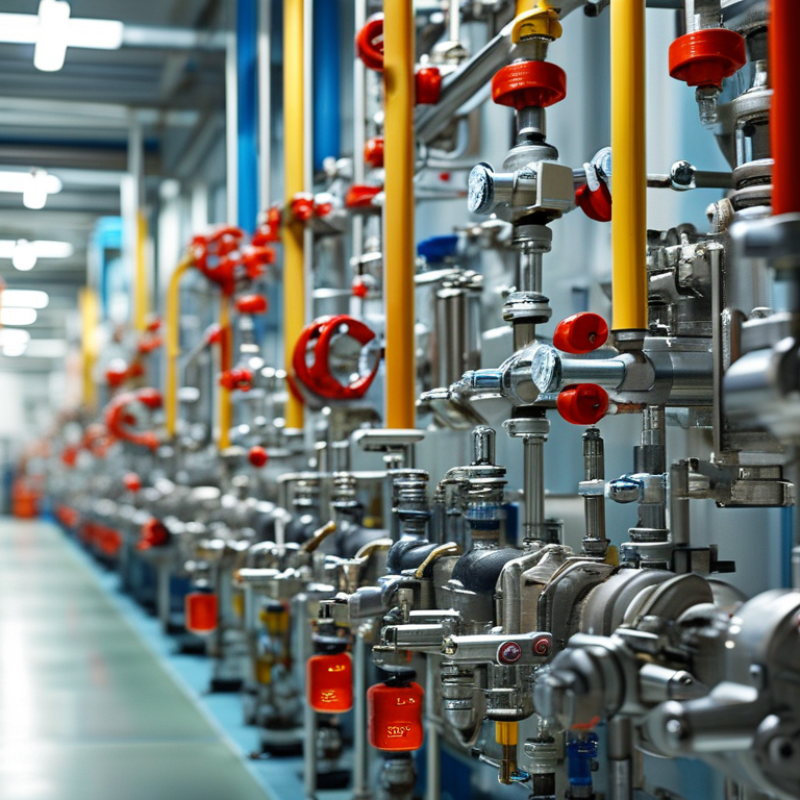
Chemical feed systems are vital in various industries for ensuring consistent and accurate dosing of chemicals. These systems enhance efficiency, reduce waste, and improve overall process control. In water treatment, for example, precise chemical dosing is critical to meet safety standards. Inadequate dosing can lead to inefficiencies and even health risks. Each system must be tailored to the specific requirements of the application.
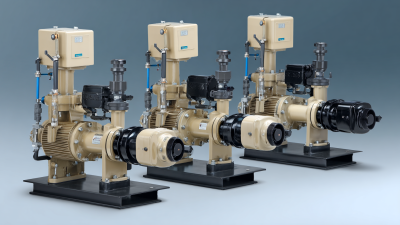
Understanding the components of these systems is essential. They typically include pumps, storage tanks, and control mechanisms. The pump type must match the chemical properties, such as viscosity and corrosiveness. A mismatch can lead to system failures and increased maintenance costs. Moreover, proper calibration is critical. Even minor inaccuracies in dosing can skew results significantly, resulting in potential environmental concerns.
While advancements have been made, some systems still require manual oversight for optimal performance. Automation could help eliminate human error but may introduce new complexities. Continuous monitoring and adjustments are often necessary to maintain efficiency. Organizations must balance technology and human intuition to fully realize the potential of chemical feed systems. This highlights the importance of ongoing education and training in this field.
When choosing a chemical feed system, several key factors come into play. Understanding the specific needs of your operation is crucial. A thorough assessment ensures compatibility with local regulations and environmental considerations. Take the time to evaluate the type of chemicals you will use. Some systems are designed for specific substances, while others can handle a wide range. This directly impacts not only efficiency but also safety.
Another important factor is the ease of maintenance. Frequent repairs can lead to unexpected downtime. Investing in systems that require minimal upkeep can save both time and money. It's wise to consider the scalability of the system as well. As operations grow, the ability to expand the feed system becomes essential. Flexibility allows for adjustments in chemical dosing and flow rates, accommodating future demands.
Investigating the technology behind the feed system is equally vital. Automation features can enhance accuracy and reduce human error. Look for systems incorporating real-time monitoring for better control. However, not all advanced technologies are necessary for every operation; assess whether they fit your needs. Balancing complexity with usability might be challenging but is a worthwhile endeavor. The right choices lead to greater efficiency and reduced costs over time.
When choosing chemical feed systems, it’s vital to understand their unique features. Some systems offer precise dosing capabilities, which ensure effective chemical utilization. Others focus on ease of maintenance, reducing downtime significantly. A system's ability to integrate with existing infrastructure can also be a game-changer, streamlining operations seamlessly.
Several systems stand out due to their advanced monitoring features. Real-time sensor technology can provide instant feedback on performance, which helps prevent potential issues. Some options allow for remote management, enhancing convenience for operators. However, not every system excels in all areas, and each has its own set of limitations. Users must assess their specific needs carefully.
Some designs may appear simple but can be surprisingly versatile. Their adaptability often outweighs the drawbacks of more complex systems. Conversely, those that prioritize chemical resistance might lack user-friendliness. It’s a balancing act that requires thorough evaluation and sometimes a bit of trial and error. In chemical feed systems, understanding the nuances makes all the difference.
When evaluating chemical feed systems, the efficiency and cost-effectiveness are crucial factors. Efficiency is often measured by the ability of the system to deliver the required chemicals accurately. A recent industry report indicates that the best-performing systems can achieve a delivery accuracy of over 98%. This accuracy not only enhances performance but also reduces waste. In contrast, less efficient systems may see delivery inaccuracies, leading to increased operational costs.
Cost-effectiveness is another vital component. A study from the American Chemical Society suggests that companies can save about 20% on operational costs by choosing a more efficient chemical feed system. These savings stem from reduced chemical waste and lower maintenance requirements. Different sectors have varying needs. For instance, water treatment facilities may prioritize reliability due to regulatory standards, while manufacturing plants might focus on speed and versatility.
While modern systems showcase advanced technology, there are areas needing attention. Some users report challenges with initial setup costs. Additionally, training staff to operate these systems effectively can be time-consuming. This highlights the need for careful consideration of long-term impacts versus upfront investments. Balancing these factors is essential for achieving overall efficiency and cost savings.
| System Model | Efficiency (%) | Cost ($) | Capacity (L/h) | Ease of Maintenance |
|---|---|---|---|---|
| Model A | 95 | 5000 | 300 | Easy |
| Model B | 90 | 6000 | 500 | Moderate |
| Model C | 85 | 5500 | 400 | Difficult |
| Model D | 88 | 4900 | 450 | Easy |
| Model E | 92 | 4700 | 350 | Moderate |
| Model F | 80 | 8000 | 600 | Difficult |
| Model G | 91 | 5200 | 380 | Easy |
| Model H | 87 | 7200 | 500 | Moderate |
| Model I | 93 | 6500 | 400 | Easy |
| Model J | 89 | 3000 | 340 | Difficult |
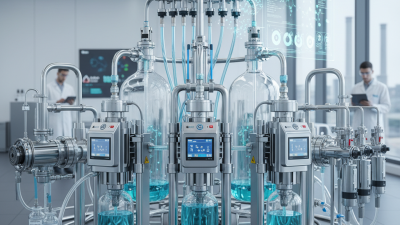
The future of chemical feed system technology is evolving rapidly. Innovations are pushing for greater automation and precision. This shift aims to enhance efficiency and reduce waste in chemical usage. Smart sensors and IoT integration are becoming commonplace. These technologies allow for real-time monitoring and adjustments, leading to enhanced performance.
There's a growing emphasis on sustainability in these systems. Companies are exploring eco-friendly materials and processes. This trend helps meet regulations and environmental goals. However, the transition isn't flawless. Many systems face integration challenges with existing infrastructures. Moreover, educating personnel to manage new technology can be daunting.
Looking forward, artificial intelligence is on the horizon. AI-driven analytics promise to optimize chemical dosing across varied scenarios. Still, reliance on technology comes with risks. Data security and system failures remain significant concerns. Addressing these issues is critical for the successful implementation of advanced chemical feed systems.