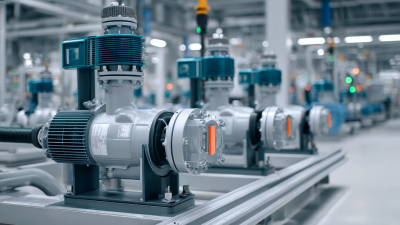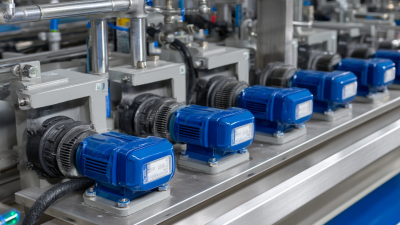
In the realm of industrial processes, the importance of choosing the right equipment cannot be overstated. As noted by Dr. Emily Tran, a leading expert in the chemical feed pump industry, "Efficiency begins with the right pump." This statement emphasizes how critical chemical feed pumps are in ensuring optimal performance.
Chemical feed pumps play a vital role in accurately dispensing chemicals in various applications. The right pump can reduce waste and improve overall productivity. However, not all pumps are created equal. The selection process can be daunting, often requiring specialized knowledge and experience. Many industries face challenges, such as fluctuating flow rates and varying chemical properties.
Exploring the top 10 chemical feed pumps reveals not only the best options available but also highlights areas for improvement within existing systems. Industry leaders must continuously evaluate their equipment. Investing in the best technology is essential for staying competitive. The pursuit of efficiency in chemical feeding remains an ongoing journey in the industrial sector.
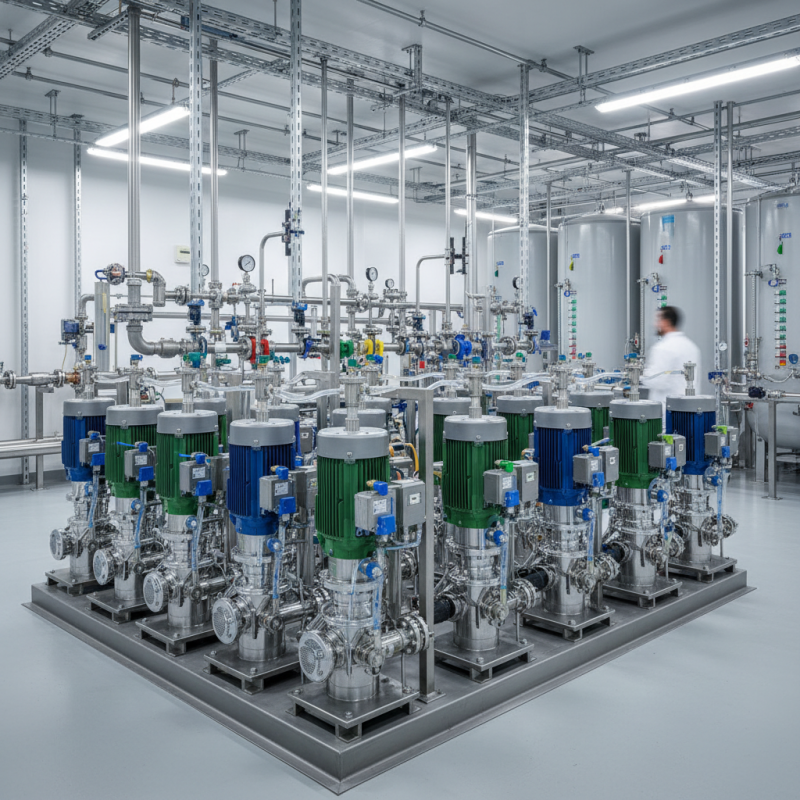
Chemical feed pumps play a crucial role in various industrial processes. They ensure the precise delivery of chemical substances used in manufacturing, water treatment, and food processing. According to a recent industry report, the global chemical pump market is projected to reach USD 45 billion by 2026, underscoring the increasing demand for efficiency and reliability in chemical handling.
In industrial settings, these pumps must withstand harsh environments. They operate continuously and vary in design, such as diaphragm, gear, and screw pumps. Each type has its strengths, depending on the application. For instance, diaphragm pumps are preferred for corrosive substances, while gear pumps excel in transferring viscous materials.
**Tip:** Regular maintenance can prolong pump life. Schedule routine inspections, and replace worn parts promptly. Monitoring flow rate and pressure can also prevent costly downtimes.
Another critical aspect is energy efficiency. Many facilities are now focusing on optimizing energy consumption. According to industry statistics, energy-efficient pumps can reduce operational costs by up to 30%. However, selecting the right pump still requires careful analysis. Miscalculations in flow rates can lead to either insufficient delivery or excessive waste of chemicals, straining resources.
**Tip:** Always conduct a chemical compatibility analysis before pump selection. This step minimizes the risk of pump failure due to chemical reactions.
This chart displays the flow rates of the top 10 chemical feed pumps used in various industrial processes. The data reflects their efficiency in delivering precise amounts of chemicals for optimal production performance.
When selecting chemical feed pumps, several key features merit careful consideration. The pump's materials must withstand corrosive chemicals. For instance, over 70% of pump failures stem from material incompatibility. Understanding the chemicals involved is crucial. Metal pumps often fail when exposed to acidic substances. Engineering teams should analyze compatibility, avoiding costly downtimes.
Flow rate is another critical metric. Many processes require precise measurements. Pumps delivering inconsistent flow can disrupt entire operations. Industry reports suggest that maintaining flow accuracy within ±5% can enhance system efficiency. Additionally, consider pump control options. Advanced controls allow for real-time adjustments, ensuring optimal performance amid fluctuating demands.
Regular maintenance practices are vital for extending pump life. Reports indicate that 30% of failure issues arise from poor maintenance routines. Implementing a schedule can significantly reduce the risk of unexpected breakdowns. Teams should also assess the installation space for pump accessibility. An inaccessible pump makes routine checks challenging, leading to potential operational losses. Addressing these factors promotes reliability in chemical feed processes.
| Pump Type | Flow Rate (GPH) | Pressure (PSI) | Material Compatibility | Control Type |
|---|---|---|---|---|
| Diaphragm Pump | 1 - 500 | 0 - 100 | Acids, Bases | Manual, Automatic |
| Peristaltic Pump | 0.1 - 400 | 0 - 15 | Chemicals, Food | Digital |
| Gear Pump | 1 - 300 | 50 - 200 | Oils, Solvents | Automatic |
| Screw Pump | 100 - 600 | 20 - 300 | Viscous Liquids | Variable Speed |
| Centrifugal Pump | 10 - 1000 | 10 - 200 | Water, Chemicals | Automatic |
| Eccentric Disc Pump | 5 - 200 | 0 - 100 | Slurries, Polymers | Manual |
| Lobe Pump | 20 - 800 | 30 - 150 | Food, Chemicals | Variable Speed |
| Progressive Cavity Pump | 1 - 300 | 40 - 300 | Paste-like Fluids | Automatic |
| Vacuum Pump | 0.1 - 5 | 0 - 5 | Gases, Vapors | Manual |
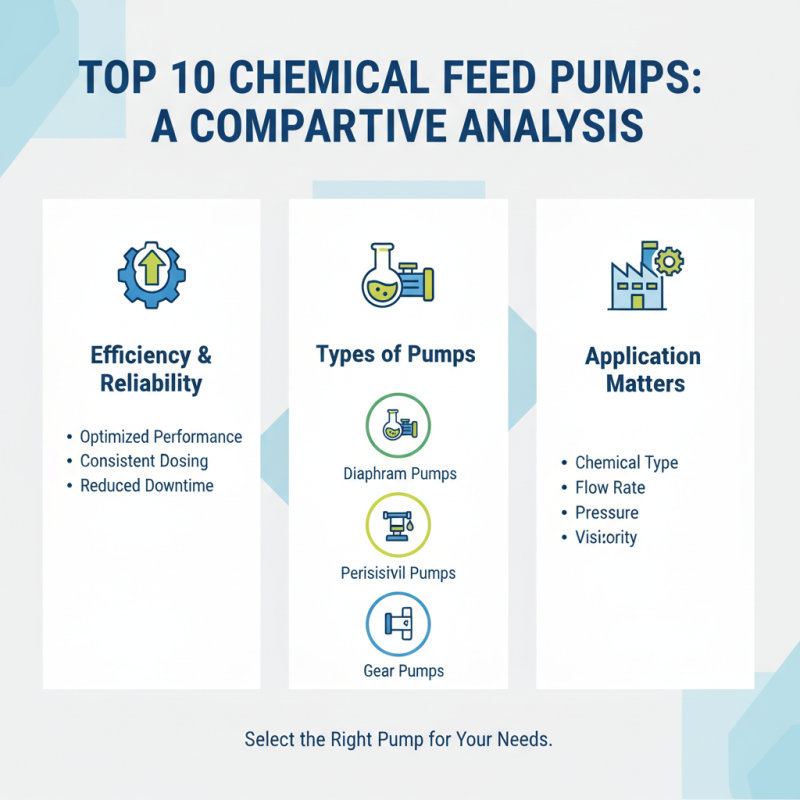
When selecting chemical feed pumps for industrial processes, efficiency is key. The right pump impacts performance and reliability. There are various types available, including diaphragm pumps, peristaltic pumps, and gear pumps. Each has its advantages depending on the application and the type of chemical being transferred. It's essential to evaluate the specific needs of your operation.
Analyzing features like flow rate, pressure, and material compatibility is crucial. Look for pumps that can handle corrosive materials or high viscosity fluids. Not all pumps can manage these demands well. Efficiency is not just about performance; it also involves energy consumption. An inefficient pump can lead to increased operational costs. Finding a balance between performance and sustainability is often overlooked but highly significant.
It's important to remember that no pump is perfect. Some may require frequent maintenance, which can disrupt workflow. Assessing the total cost of ownership is vital in making an informed decision. Real-world testing and reviews can offer insights into each pump's reliability. While specs provide a baseline, user experiences can reveal unforeseen challenges. Understanding these nuances will guide better choices in your pump selection process.
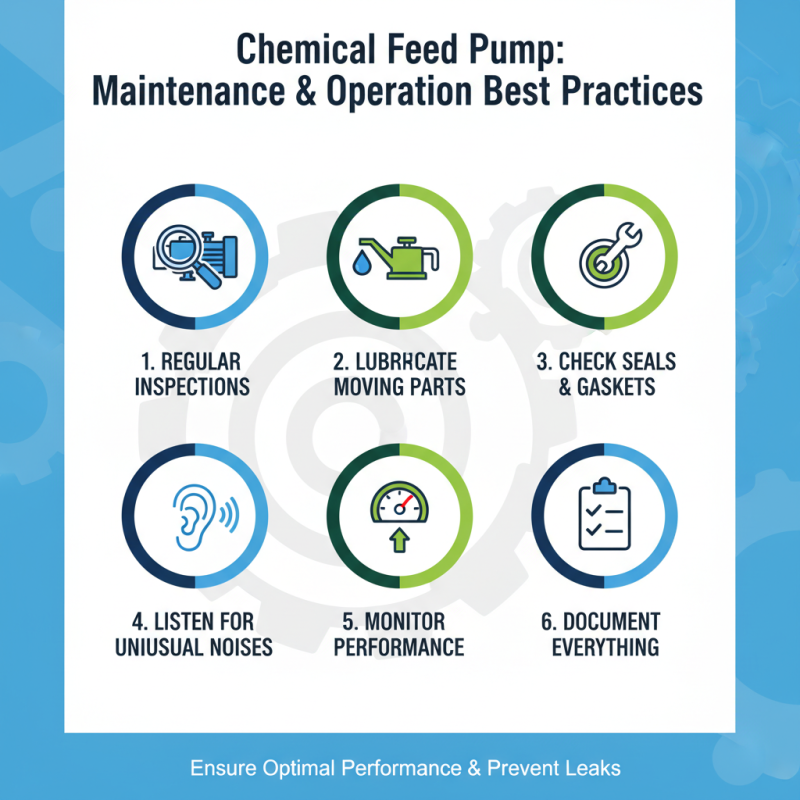
When it comes to chemical feed pumps, proper maintenance is crucial for ensuring optimal performance. Regular inspections can help identify wear and tear on parts. Lubrication of moving components is often overlooked but essential. Keeping an eye on seals and gaskets can prevent leaks. Operators should regularly check for unusual noises, as they may indicate potential issues.
Training staff on operational best practices improves efficiency. Proper setup and calibration of pumps can avoid overuse and wastage of chemicals. It’s essential to monitor chemical flow rates consistently. Operators should also document any irregularities during operation. This practice can help in troubleshooting future problems and enhance reliability. Regular updates to maintenance protocols based on operational history can lead to smoother processes.
It's important to note that neglecting minor maintenance tasks can lead to significant issues later. Some operators might rush through checks, thinking everything is fine. However, small overlooked problems can escalate. The challenge lies in balancing workloads and attention to detail, ensuring pumps operate without interruption for industrial processes.
The landscape of chemical feed pump technology is evolving rapidly. Innovations in materials and design are enhancing efficiency and reliability. One trend is the increased use of advanced composite materials. These materials are resistant to corrosion and can handle a wider range of chemicals. This leads to longer service life and reduced maintenance costs for industries.
Automation is also becoming a norm in chemical injection systems. Smart sensors are integrating into pumps, allowing for real-time monitoring. This aids in optimizing performance and detecting issues before they escalate. However, the reliance on technology raises concerns about over-dependence. It's crucial to balance automation with skilled human oversight.
**Tip:** Regular training for personnel on technology updates can reduce risks.
Moreover, the market is shifting towards more energy-efficient designs. Innovations focus on reducing energy consumption while maintaining performance. This transition aligns with global sustainability goals. Yet, the development of these technologies may not always meet immediate needs. Industries must assess both current and future demands when investing.
**Tip:** Evaluate different pump technologies regularly to stay ahead. Understanding your specific process can lead to better choices.