As industries evolve, selecting the right pumps becomes crucial for global buyers. Understanding the various types, such as the versatile "3 pump," is essential for informed decision-making. There are several factors to consider when navigating this market.
Quality, efficiency, and durability stand out among critical characteristics. It’s important to scrutinize each option thoroughly. Some brands promise high performance but may not deliver. Hence, reliability is paramount in this purchase. Look into warranties and customer feedback for assurance.
Additionally, fluctuating prices can complicate choices. Not all pumps are created equal; some require more maintenance than others. You might find yourself reflecting on the long-term costs versus initial investments. It’s wise to approach the decision with a balanced mindset. Trust in your research, but remain open to continual learning in this complex field.

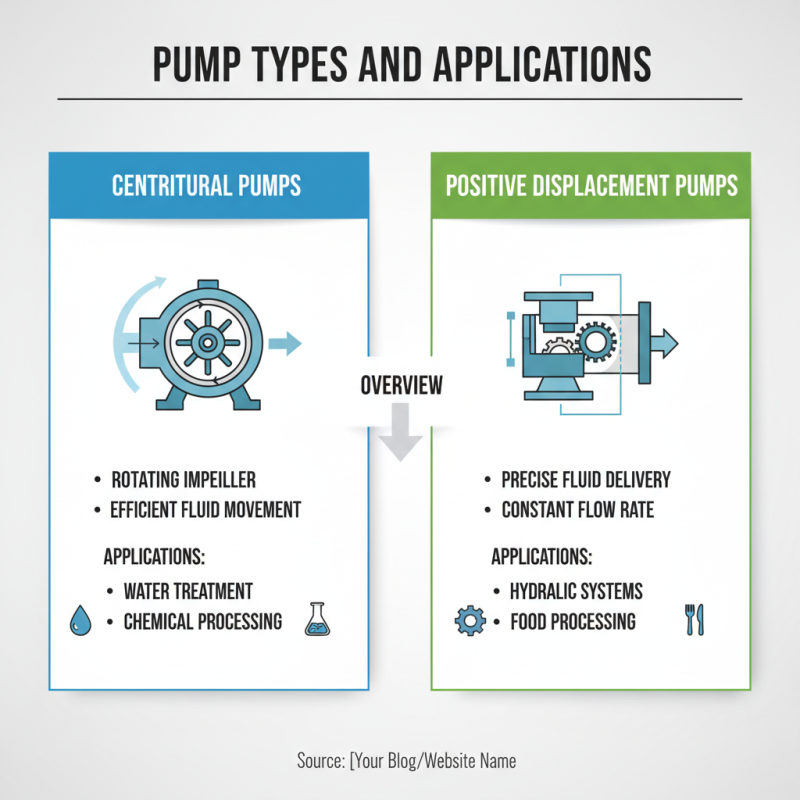
When examining pump types, it's essential to understand their various applications. Centrifugal pumps are widely used in water treatment and chemical processing. They move fluids efficiently, thanks to their rotating impeller design. In contrast, positive displacement pumps excel in applications needing precise fluid delivery. These include hydraulic systems and food processing.
Submersible pumps can handle specific tasks effectively, such as draining water from flooded areas. They are designed to operate underwater, which makes them unique. On the other hand, diaphragm pumps offer advantages in handling viscous and shear-sensitive fluids. They are crucial in the pharmaceutical and biotechnological fields.
Each pump type has its strengths and weaknesses. Users need to assess their specific requirements carefully. For instance, choosing the wrong pump could lead to system inefficiencies. Therefore, understanding the characteristics of different pumps ensures better decision-making for global buyers. In this ever-evolving market, staying informed is just as important as selecting the right equipment.
When selecting pumps, multiple factors come into play. Understanding the application is crucial. Different scenarios require specific types of pumps. For instance, chemical handling involves unique materials that resist corrosion. Likewise, handling water has different requirements compared to viscous fluids.
Flow rate and pressure are vital metrics. Knowing the necessary flow rate ensures efficiency in operations. Too much pressure can lead to equipment failure. Not enough pressure might result in underperformance. Evaluating the system's needs becomes essential for effective pump selection. Efficiency can often be overlooked. However, it directly impacts energy costs and sustainability efforts.
Maintenance is another critical consideration. Some pumps require frequent service checks, while others are more self-sufficient. Assess the operational environment too. Factors like temperature and humidity can affect pump longevity. Each element plays a crucial role in the decision-making process. Ignoring these details may lead to costly mistakes. Reflecting on these aspects can guide buyers toward better choices.
The ongoing evolution in pump technology reveals exciting trends and innovations that global buyers should watch. Energy efficiency is a key focal point. Modern pumps are now designed to minimize energy consumption. This not only reduces costs but also supports sustainability efforts. Additionally, advancements in smart technology are making waves. Integrated sensors aid real-time monitoring, enhancing operational efficiency.
Another area of innovation is the development of advanced materials. These materials can withstand harsher environments. This durability extends the lifespan of pumps, which is a critical consideration for manufacturers. However, some users still struggle with implementing these new technologies effectively. Training and adaptability often lag behind the innovations.
Additionally, the move towards modular designs offers flexibility for users. Modular pumps allow for quick customization, catering to diverse applications. Yet, switching to modular systems involves careful planning. Users may face challenges in compatibility with existing setups. Understanding these complexities is essential for a successful transition.
In the world of industrial pumps, understanding key manufacturers and their offerings is essential. Global pump manufacturers showcase a wide variety of products tailored to different applications. From centrifugal pumps to diaphragm pumps, the choices are vast. Each type has unique features, benefits, and drawbacks. Thus, it’s vital to conduct thorough research.
When selecting a pump, consider efficiency and reliability. Look for manufacturers that comply with international standards. Check the technical specifications for flow rates, power consumption, and material compatibility. Inadequate specs can lead to operational inefficiencies.
**Tip:** Always compare warranties and after-sales support. A robust warranty often indicates a manufacturer's confidence in their product. Seek feedback from other users to get a balanced perspective. This can guide your decision-making and help you avoid costly errors.
Another factor is maintenance. Some pumps require regular maintenance, while others are low-maintenance. Analyze your operational needs and budget for upkeep costs. Balancing initial costs with long-term savings is crucial.
**Tip:** Make a checklist of essential features you require. This will help streamline your options and avoid decision fatigue. Stay informed about new technologies and innovations. They may provide better efficiency or longer lifespans for your operations.
When considering pump efficiency and longevity, several factors come into play. Understanding the specific application is crucial. Each industry has unique requirements. For instance, a water pumping system requires different specifications than an industrial chemical pump. Evaluating the operating conditions can impact performance greatly. Consider factors like fluid viscosity, temperature, and pressure.
Proper installation and maintenance can significantly influence the lifespan of a pump. Regular inspections can help identify potential issues early. Look for wear and tear on seals and bearings. Correct alignment during installation is also vital. Misalignment can lead to premature failure. Engaging with knowledgeable technicians for regular servicing can enhance reliability.
Lastly, selecting the right materials is essential for durability. Materials must withstand the fluid's chemical properties and temperature. Corrosion-resistant materials are often necessary for harsh environments. It is worth reflecting on past choices as well. Did previous pumps fail due to material shortcomings? Continuous learning from both successes and failures ensures improved decision-making in future purchases.