Ultimate Tips for Choosing a Chemical Diaphragm Pump?

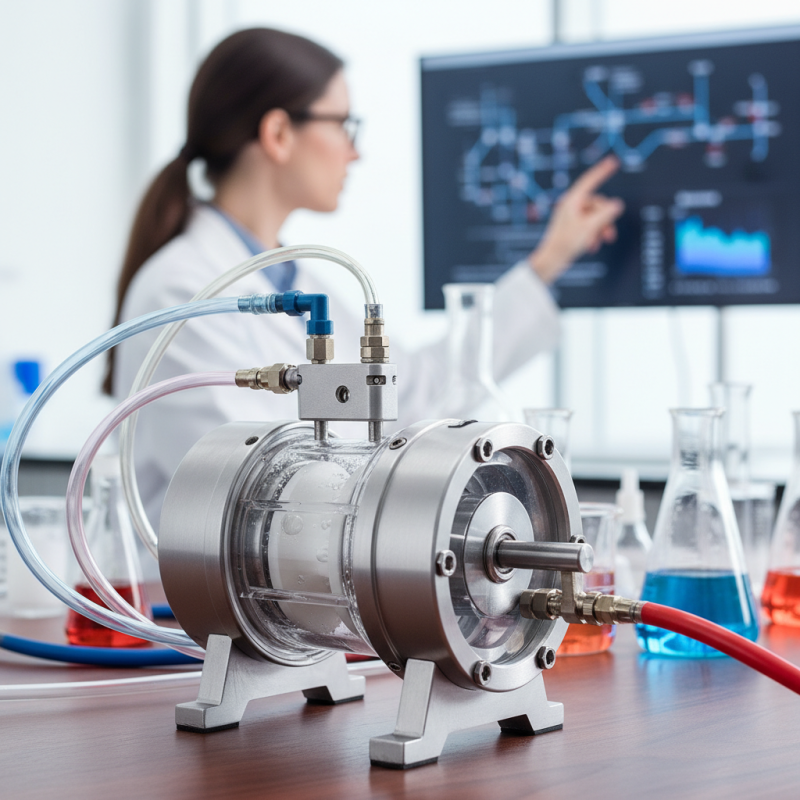
When selecting a chemical diaphragm pump, expertise is essential. Dr. Emily Hartman, a leading expert in fluid dynamics, emphasizes, "Choosing the right pump can make all the difference." This statement reflects the importance of understanding the specific needs of your application.

Chemical diaphragm pumps offer unique advantages. They are designed to handle aggressive fluids without leakage. Yet, the variety of options available can be overwhelming. Factors like flow rate, material compatibility, and system pressure all play crucial roles.

Ignoring these details can lead to costly mistakes. For instance, choosing the wrong material can result in rapid degradation. Reflecting on such decisions is critical. Each choice shapes functionality and lifespan. Therefore, approaching this decision with care is vital for successful operations.
Ultimate Tips for Choosing a Chemical Diaphragm Pump?

Factors to Consider When Selecting a Chemical Diaphragm Pump

When selecting a chemical diaphragm pump, several key factors must be considered. The materials of construction are critical. Many pumps use polypropylene, PTFE, or stainless steel. These materials resist chemical corrosion. According to a study by the Chemical Engineering Institute, about 30% of pump failures are due to improper material selection.

Next, flow rate and pressure requirements should match the specifications of your application. Longer pipelines or higher viscosity fluids may need a different pump design. Assessing your flow requirements is crucial. A mismatch can lead to inefficiencies, affecting your overall operations. The American Society of Mechanical Engineers recommends calculating these parameters carefully.

Additionally, maintenance should be evaluated. Diaphragm pumps require regular inspections to ensure they operate efficiently. Research indicates that pumps that receive timely maintenance can last up to 25% longer. Longevity impacts not just costs, but also reduces unforeseen downtime. Such considerations are often overlooked, leading to potential operational hiccups. In the end, careful analysis here will pay off.
Understanding Different Types of Chemical Diaphragm Pumps

Choosing the right chemical diaphragm pump involves understanding its various types. Typically, there are two main categories: air-operated and electric diaphragm pumps. Air-operated pumps use compressed air to function. They are versatile and ideal for hazardous environments. Electric diaphragm pumps, on the other hand, offer precise control and are suitable for many industrial processes.

Each type has distinct features. For instance, air-operated pumps can handle thicker fluids, while electric pumps can deliver consistent flow rates. Pressure tolerance is another key factor. Some models struggle at high pressures, making them unsuitable for certain applications. Users should analyze the required flow rate and viscosity of the chemicals being pumped. A mismatch can lead to inefficiencies or pump failure.

Consider maintenance aspects as well. Diaphragm pumps can wear out over time. Regular checks are crucial to ensure long-term performance. Be mindful that certain materials may not withstand all chemicals. This limitation can affect durability. Picking a pump without thorough research may lead to issues later. It's essential to weigh your options and consider both immediate and future needs.

Key Performance Metrics for Chemical Diaphragm Pumps

When selecting a chemical diaphragm pump, understanding key performance metrics is crucial. The pump's flow rate is a fundamental aspect. It determines how much fluid can be transferred within a specific time frame. A higher flow rate is beneficial for large applications, but be cautious. Oversizing pumps may lead to inefficiencies and increased wear.

Another important metric is the pressure rating. It indicates how much pressure the pump can handle during operation. Different chemicals and applications require varying pressure levels. Ensure the pump can withstand the demands of your project. Pay attention to the chemical compatibility of the diaphragm material. Some materials degrade quickly under certain conditions, leading to costly failures.

Consider the power consumption as well. A pump that uses less energy may save significantly in operational costs. However, performance should never be sacrificed for efficiency. Sometimes, it’s a balance between the two. Always reflect on these factors before making a decision. A well-informed choice will enhance reliability and longevity in your pumping operations.

Ultimate Tips for Choosing a Chemical Diaphragm Pump

Performance Metric Description Recommended Range
Flow Rate The volume of fluid that can be pumped over a specified period. 1 - 50 GPM
Max Discharge Pressure The maximum pressure the pump can achieve before failure. 50 - 200 PSI
Material Compatibility Suitability of pump materials for various chemicals being handled. Check for chemical compatibility
Viscosity Handling The range of fluid viscosity that the pump can effectively handle. 1 - 3000 cP
Power Consumption The energy required to operate the pump. 0.5 - 5 HP
Maintenance Requirements Frequency and complexity of maintenance tasks needed for optimal performance. Low to Medium

Evaluating Material Compatibility for Chemical Resistance

Choosing a chemical diaphragm pump requires careful consideration of material compatibility. Different chemicals react differently with various materials. For example, acids may corrode metal, while solvents can degrade plastics. Understanding these interactions is crucial to ensure the longevity of the pump.

When evaluating materials, always refer to compatibility charts. Yet, these charts can be misleading at times. Not all sources provide clear guidance. A material that seems suitable could fail under specific conditions. Therefore, consult technical data sheets. Testing with small samples can also reveal unforeseen issues.

Consider the temperature and pressure conditions of your application. Some materials may withstand strong chemicals but struggle under high temperatures. Think about the operational environment. External factors can affect material durability too. Keeping a detailed log of performance is valuable. You might discover patterns leading to potential failures.

Maintenance and Support Options for Diaphragm Pumps

Ultimate Tips for Choosing a Chemical Diaphragm Pump?

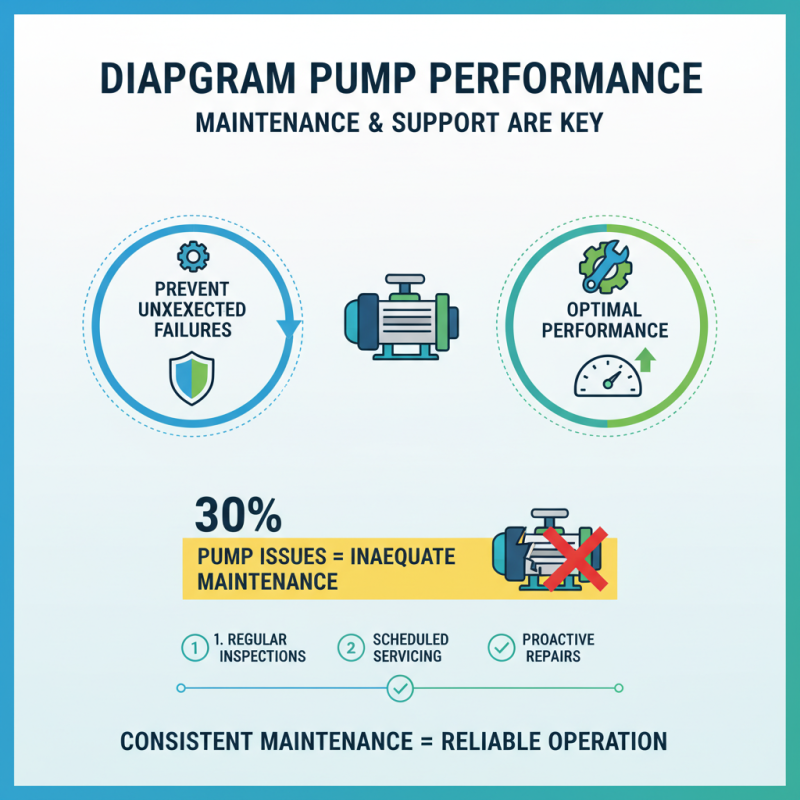
When considering diaphragm pumps, maintenance and support are critical for optimal performance. Regular maintenance helps prevent unexpected failures. According to industry reports, nearly 30% of pump issues arise from inadequate maintenance. This emphasizes the need for a consistent maintenance schedule.

Operators should conduct routine inspections. Check for leaks, unusual noises, and vibrations. These indicators can signal potential problems. Additionally, ensure that all fluid paths are clean and unobstructed. Using proper filtration can prolong the pump’s life. A proactive approach can save both time and money in the long run.

Understanding support options can also enhance pump reliability. Many suppliers provide training and troubleshooting manuals. Online resources and community forums can be invaluable. Engaging with these platforms fosters knowledge sharing. It also brings awareness to common pitfalls. Some operators neglect to familiarize themselves with the pump specs. This oversight can lead to inefficient operations. Taking time to educate oneself is essential for maintaining high productivity levels.