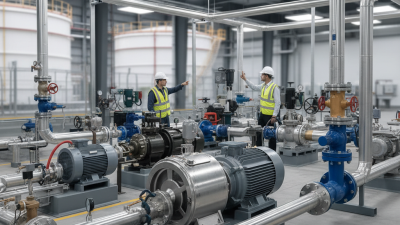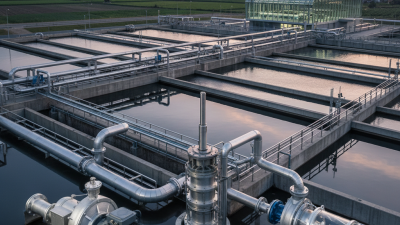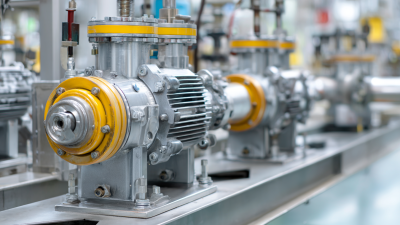
Pump technology plays a crucial role in modern industries, impacting efficiency and productivity. According to a report by Grand View Research, the global pump market is projected to reach $95 billion by 2025, growing at a CAGR of 3.5% from 2019. This highlights the increasing dependency on advanced pumping solutions across sectors such as oil and gas, manufacturing, and water treatment.
Industry expert Dr. Emily Johnson emphasizes, “Pump technology is the backbone of industrial processes.” This statement reflects the importance of reliable pumps in various applications. Without efficient pump systems, operations can face delays and increased costs, leading to potential losses. However, reliance on outdated technology can be a challenge. Many businesses grapple with optimizing existing systems to ensure operational integrity.
As industries embrace innovation, investing in the right pump technology becomes critical. Many organizations still overlook the maintenance needs of these systems. This oversight can lead to inefficiencies and increased downtime. Modern solutions are available, yet not all companies take advantage of them. Addressing these gaps is essential for improving overall performance and competitiveness in the market.
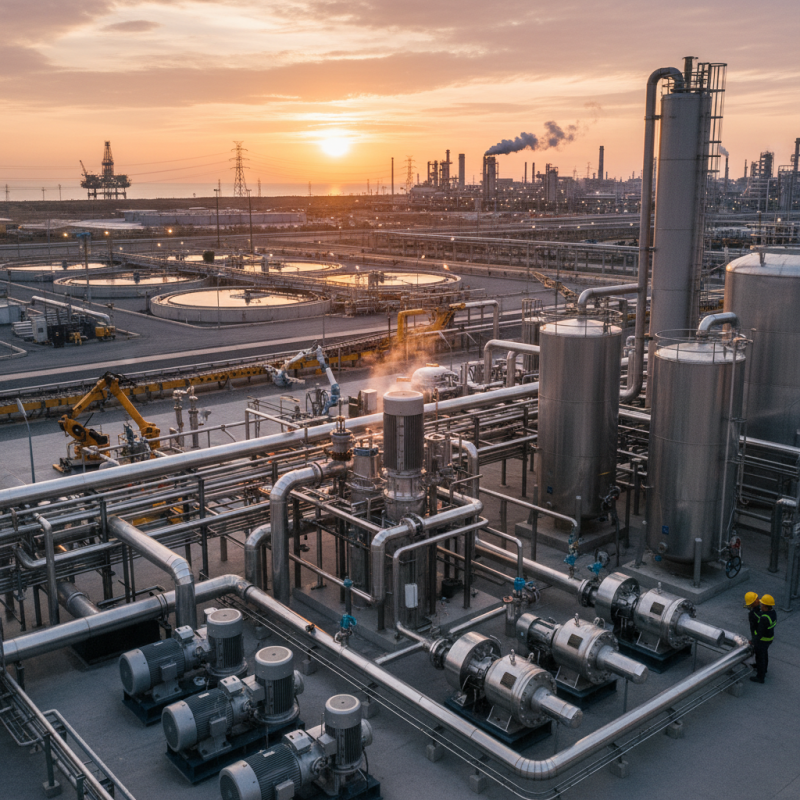
Pump technology plays a crucial role in industrial processes across various sectors. According to a recent report by the Global Industrial Pump Market, the industry is expected to grow at a CAGR of 5.2% from 2021 to 2028. This growth highlights the increasing reliance on pumps for efficient operations in manufacturing, chemical processing, and water management.
In manufacturing, pumps are essential for fluid transfer. They manage the movement of liquids in production lines, ensuring smooth flows and preventing downtime. For example, in the chemical sector, accurate flow rates are vital for reactions and mixing processes. A small error in pump performance can lead to significant losses or safety hazards. The World Pumps Association underscores the importance of regular maintenance and technological upgrades to maintain reliability.
Water management also significantly depends on pump efficiency. With rising water scarcity, innovative pumping solutions can optimize resource use. Data from the Environmental Protection Agency indicates that water-efficient systems can reduce operational costs by up to 30%. However, outdated technology can hinder performance and increase energy consumption. Industries often need to reassess their pumping systems to ensure they're meeting modern demands while minimizing environmental impact.
Pump technology plays a critical role across various industries. The chart above illustrates the percentage of pump usage in five major sectors, highlighting its importance in processes such as chemical production, water treatment, oil and gas extraction, food and beverage processing, and pharmaceuticals.
Pumps are central to modern industries, from water treatment to chemical manufacturing. The global pump market is projected to reach $70 billion by 2027, reflecting the crucial role of pump technology. Various types of pumps cater to diverse industrial needs, each with its own advantages.
Centrifugal pumps dominate the industry due to their efficiency. They are widely used in water distribution and chemical processes. According to a report by Grand View Research, centrifugal pumps accounted for over 50% of the market share in 2020.
Positive displacement pumps also play an essential role, especially in applications requiring precise flow control. These pumps excel in transferring viscous fluids, making them invaluable in food processing and oil recovery.
However, not all pump technologies are equally reliable. Maintenance issues can lead to significant downtime. Data from industry analyses reveal that inadequate pump maintenance can result in up to 30% of operational costs. Thus, choosing the right pump type and ensuring regular upkeep are essential for operational efficiency. Understanding the specific demands of each industrial process helps in making informed decisions on pump selection and maintenance strategies.
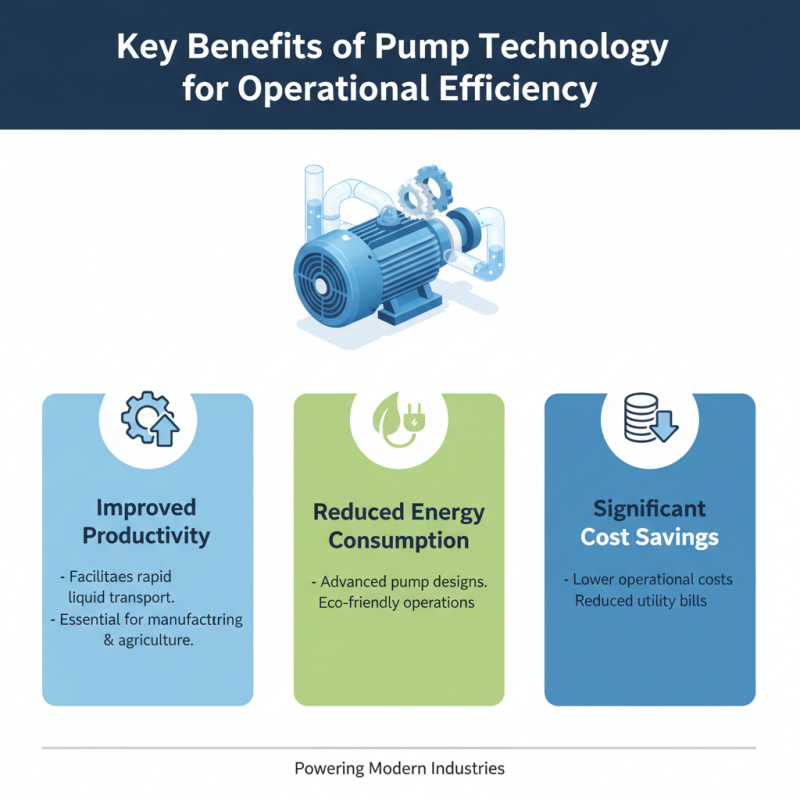
Pump technology plays a pivotal role in enhancing operational efficiency across various modern industries. These systems facilitate the transportation of liquids and slurries, which is essential for processes in manufacturing, agriculture, and wastewater management. By utilizing advanced pump designs, industries can improve productivity and reduce energy consumption, leading to significant cost savings.
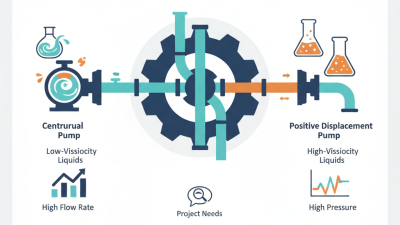
One key benefit of modern pump technology is its ability to handle different types of fluids. For example, centrifugal pumps are ideal for low-viscosity liquids, while positive displacement pumps excel in high-viscosity and abrasive materials. Understanding the specific application is crucial. Choosing the wrong pump can lead to inefficiencies.
**Tip:** Regular maintenance of pumps can prevent unexpected breakdowns. Monitoring pump performance data is essential. This practice enhances reliability and extends the lifespan of the equipment.
Innovation in pump designs also includes features like variable speed drives and smart controls. These advancements allow for more precise fluid handling. Optimizing flow rates can minimize energy use. However, not all industries have adopted these technologies fully. Some operators remain hesitant due to upfront costs or complexity.
**Tip:** Training staff on new technologies can improve overall system reliability. Engaging employees helps in identifying problems early on, ensuring smoother operations.
Pump technology is crucial in various modern industries. It drives processes in sectors such as manufacturing, energy, and water treatment. Innovations in this field have transformed how industries operate. For example, smart pumps equipped with IoT capabilities enable real-time monitoring and better energy efficiency. They can automatically adjust operations based on demand, reducing waste and costs.
In addition to energy savings, new materials have improved pump durability. Advanced composites resist corrosion and wear, ensuring longer service life. This means less maintenance and downtime. Industries benefit from consistent performance, even in harsh environments. However, the learning curve can be steep. Companies must train staff to adapt to these new technologies.
Tips: Invest time in training. Familiarize your team with smart pump systems. Seek feedback on usability. Regularly review performance data for improvements. Remember, embracing innovation is not without challenges, but the rewards can be significant.
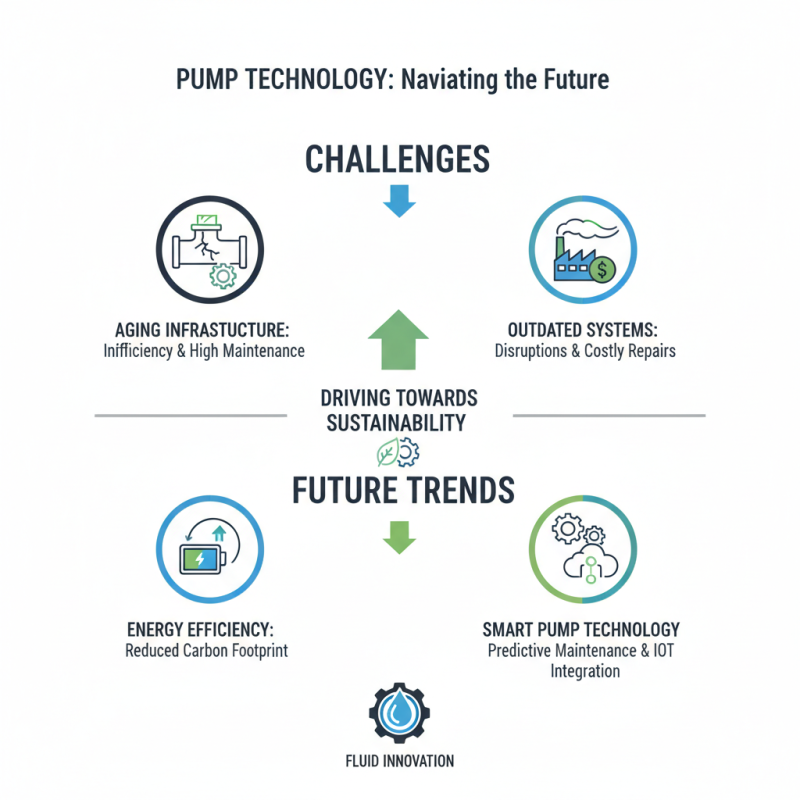
Pump technology plays a crucial role in modern industries by ensuring the efficient movement of fluids. However, it faces significant challenges. Aging infrastructure often leads to inefficiencies and increased maintenance costs for businesses. Outdated pumping systems require frequent repairs, which disrupt operations. This affects productivity and profits. Additionally, the growing need for sustainability places pressure on pump technology to become more energy-efficient.
Future trends indicate a shift towards smart pumping systems. These systems utilize advanced sensors and IoT connectivity to monitor performance in real-time. This allows for predictive maintenance, reducing downtime and extending equipment life. Moreover, industries are increasingly focusing on environmentally friendly materials. This shift may create hurdles as manufacturers adapt to new standards and regulations. There is a fine line between innovation and practicality. While seeking cutting-edge solutions, companies must also consider cost-effectiveness and implementation challenges.
As industries evolve, the demand for reliable pump technology will continue to grow. Balancing innovation with legacy systems poses a challenge. Companies must invest in research and development while addressing immediate operational needs. This constant push for improvement can lead to oversight in understanding the existing concerns and limitations of current technologies. Addressing these gaps is essential for future advancements in pump technology.