In today's competitive landscape, understanding pump metering can significantly enhance operational efficiency. Jack Thompson, a leading expert in fluid dynamics, states, “Effective pump metering is crucial for optimizing resources in any industrial setup.” This principle resonates across various sectors where accurate measurement of liquids directly impacts productivity and cost savings.
Pump metering involves the precise measurement of liquid flow rates through pumps. This technology allows businesses to monitor and control fluid distribution accurately. Effective pump metering can lead to reduced waste and improved resource management. The right systems can help companies understand their consumption patterns and adjust accordingly.
However, many businesses overlook the importance of pump metering. They continue operating on outdated systems. This can lead to inefficiencies and unexpected costs. Continuous monitoring and adaptive measures are essential for long-term success. Investing in pump metering may require initial adjustments, but the potential benefits far outweigh the drawbacks.
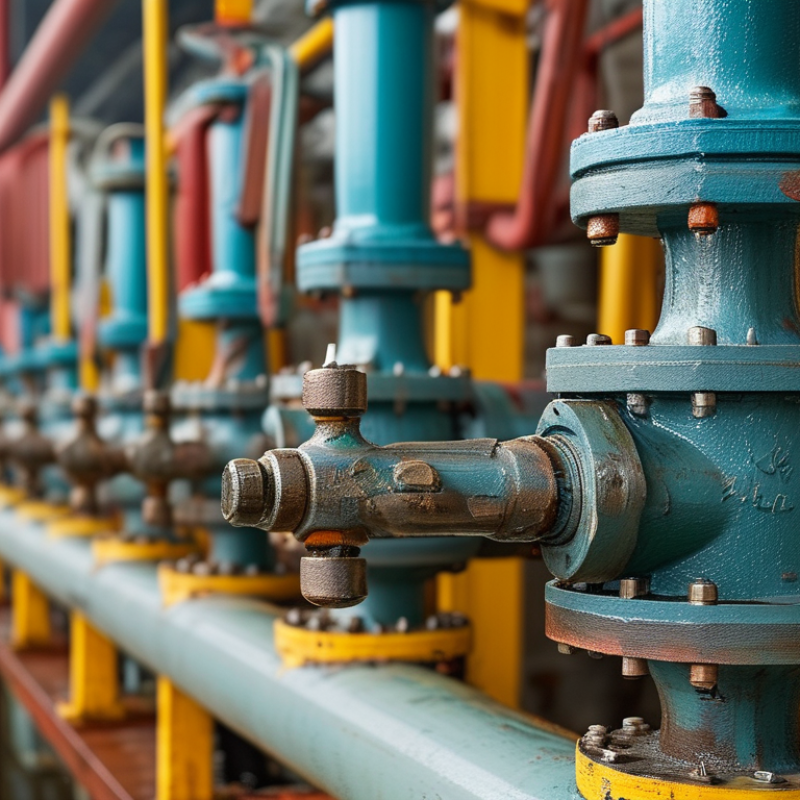
Pump metering is an essential process that allows businesses to measure the volume of fluids transported through pumps. Accurate measurement ensures that the right amount of product is delivered to customers. This system can help streamline operations and improve profitability. By monitoring fluid usage, businesses can make informed decisions on inventory management and resource allocation.
Understanding the intricacies of pump metering is vital. It involves various techniques, including flow rate calculations and pressure analysis. Each method has its advantages and potential drawbacks. Reliable measurement can prevent wastage, leading to cost savings. However, poor calibration may yield inaccurate results, which can disturb operational efficiency. Regular maintenance and checks can mitigate this risk.
Implementing pump metering can initially seem daunting. However, the benefits significantly outweigh the challenges. Businesses may encounter complexities, such as selecting the appropriate technology or interpreting data correctly. Despite these hurdles, the insights gained from accurate pump metering can empower organizations. Being proactive about system management leads to better outcomes and enhanced customer satisfaction.
Pump metering systems are vital for various industries. These systems include several key components that work together to measure fluid flow accurately. A flow meter is typically at the heart of a metering system, ensuring precise measurements of the volume or mass of liquids. These devices can vary in design, from mechanical to electronic options. Each type has its advantages, and selecting the right one can significantly impact your operations.
Another crucial element is the pump itself, which moves the fluid through the system. The design and efficiency of the pump can affect the overall performance. Regular maintenance is critical, though often neglected. A well-maintained pump can improve accuracy and extend the system’s lifespan. Additionally, calibration tools play a role in ensuring the system's precision. However, without proper training and understanding, users might misinterpret readings or overlook necessary adjustments.
Data management systems also come into play. These systems store and analyze flow data, offering insights for better decision-making. Yet, many businesses may fail to fully utilize this data. Implementing effective data analysis can enhance operational efficiency. Every component contributes to the effectiveness of pump metering systems. However, businesses must continuously assess their needs and adapt to changes for optimal performance.
Pump metering is a vital process that measures the flow of liquids in various industrial applications. Implementing pump metering can lead to substantial improvements in efficiency. It offers businesses precise monitoring of fluid usage. Accurate readings help in managing resources better and optimizing operations. This means less waste and improved cost effectiveness, directly affecting the bottom line.
Another key benefit of pump metering is enhanced safety. By closely tracking the flow rates, companies can prevent overflows and leaks. This reduces the risk of hazardous situations. Moreover, it provides reliable data to assess the performance of pumps. Business owners can identify issues early on, preventing costly repairs and downtime. This proactive approach nurtures a culture of safety and reliability in the workplace.
The integration of pump metering also promotes accountability within the team. Employees can see the real-time impact of their actions. It creates a sense of ownership and responsibility. However, reliance on technology can lead to complacency. Staff may neglect manual checks. Balancing technology with human oversight is crucial. Businesses must remain vigilant in regularly assessing their metering systems for discrepancies.
| Benefit | Description | Impact on Business | Estimated Savings |
|---|---|---|---|
| Improved Accuracy | Pump metering ensures precise measurement of fluid volumes, reducing over or under supply. | Enhances operational efficiency and minimizes waste. | Up to 20% reduction in material costs. |
| Real-time Monitoring | Provides live data on pump performance and fluid delivery. | Enables quick adjustments to processes, improving responsiveness. | Potentially saves hundreds of hours in manual monitoring. |
| Regulatory Compliance | Helps in meeting industry regulations by ensuring accurate documentation of fluid usage. | Reduces the risk of fines and legal issues. | Savings from avoided penalties can reach thousands annually. |
| Cost Reduction | Decreases operational costs through optimized fluid management. | Maximizes resource use and minimizes unnecessary expenses. | Up to 30% in annual savings on material overheads. |
| Data-Driven Decision Making | Provides actionable insights that help in optimizing supply chain and operations. | Encourages proactive management strategies. | Improvement in decision-making processes can save thousands in operational costs. |
Pump metering plays a crucial role in enhancing operational efficiency and managing costs effectively. This technique accurately measures the flow of fluids in various industries, from agriculture to manufacturing. By implementing advanced pump metering systems, businesses can obtain real-time data on fluid usage. This data reveals insights into usage patterns and helps identify inefficient practices.
Efficient pump metering reduces waste significantly. Businesses can detect leaks and monitor equipment performance promptly. This proactive approach allows for timely adjustments, which can save money and resources. Moreover, having precise measurements enables better inventory management. Companies can forecast needs more accurately, minimizing the chances of excess stock or shortages.
However, employing pump metering isn’t without challenges. Initial setup costs may deter some businesses. Training staff to utilize these systems effectively can also be time-consuming. Despite these obstacles, the potential for cost savings and improved efficiency often outweighs the drawbacks. Exploring ways to integrate pump metering can lead to long-term benefits that are hard to ignore.
Pump metering plays a crucial role in various industries, enhancing efficiency and accuracy. For instance, a case study from the water management sector revealed that implementing pump metering improved operational efficiency by 30%. Accurate measurement of fluid volume allows for better resource allocation and wastage reduction.
In the agricultural industry, a report indicated that farms utilizing pump metering technology saw a 25% increase in yield. By optimizing water usage and ensuring precise delivery, farmers can significantly enhance productivity. Moreover, this technology aids in tracking water usage for compliance with regulations, mitigating the risk of over-extraction.
However, the transition to pump metering systems requires careful planning. Industries may face challenges such as initial installation costs and staff training. Time is needed to adapt to new systems. Organizations must weigh these factors against the long-term benefits of improved efficiency and cost savings. The learning curve can be steep, but the potential for transformative benefits is substantial.
The bar chart above illustrates the impact level of various benefits associated with pump metering in business operations. The benefits evaluated include cost savings, efficiency improvement, waste reduction, customer satisfaction, and regulatory compliance, all of which have shown significant positive effects for businesses utilizing pump metering technology.