
Prefab Container Houses are gaining attention in the construction industry. They offer a modern, flexible housing solution. In 2021, the global prefab housing market was valued at $113.8 billion, with a projected growth rate of 6.4% until 2028.
These homes are eco-friendly and cost-efficient. They reduce construction waste significantly. According to a report by the World Green Building Council, sustainable building practices can cut energy consumption by up to 50%. Prefab Container Houses contribute to this goal by using repurposed materials.
However, challenges exist. Some people perceive these homes as temporary solutions. Despite being durable, they may not appeal to everyone. The design options are improving, yet customization can be limited. The long-term impacts on property value remain to be fully examined. Overall, the benefits are clear, but there are areas for reflection in the broader context of housing solutions.
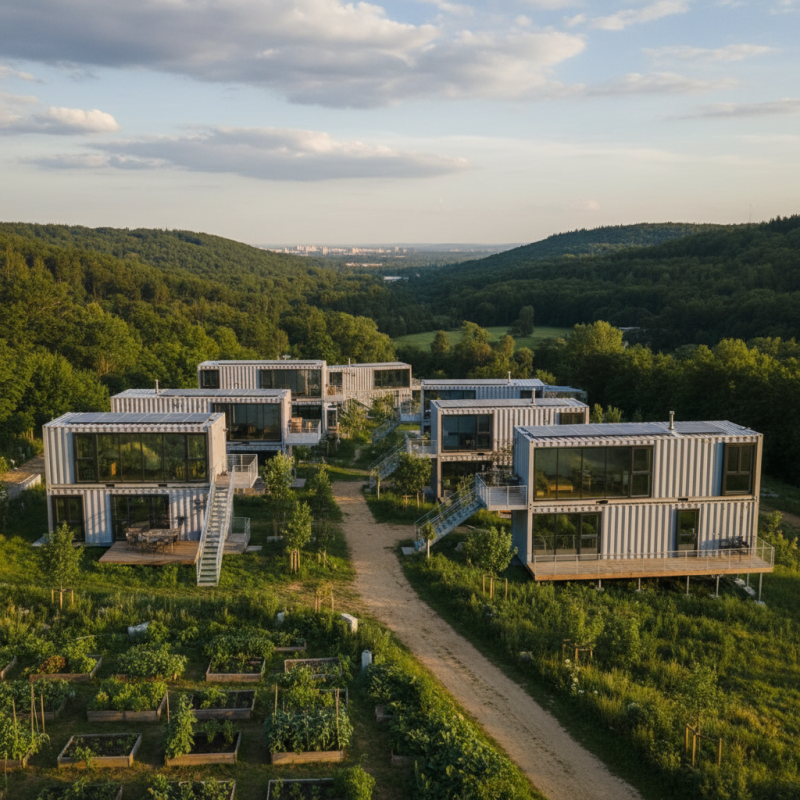
A prefab container house is a structure made from repurposed shipping containers. These containers are sturdy and designed to withstand harsh conditions. Prefab homes can be assembled quickly and efficiently, providing a solution for many housing needs. They come in various sizes and layouts, making them versatile for different types of living arrangements.
One major benefit of prefab container houses is their eco-friendliness. Using recycled materials reduces waste and lowers the environmental impact. However, not everything is perfect. Some may struggle with insulation. Container homes can get hot in summer and cold in winter. Proper insulation is essential but can be overlooked. Still, the appeal of affordable housing remains strong. These homes often cost less than traditional ones.
Many people find the modular design appealing. Owners have the freedom to customize the layout. This creates unique living spaces. However, the resale value can be uncertain. Market demand for container homes is still developing. Some areas embrace them, while others hesitate. It’s a mixed bag, highlighting the need for careful planning.
| Feature | Description | Benefits |
|---|---|---|
| Cost-Effective | Prefab container houses are generally more affordable than traditional homes. | Lower construction costs and quick setup reduce overall expenses. |
| Quick Construction | These homes can be built in a fraction of the time compared to standard homes. | Fast occupancy allows for quicker returns on investment. |
| Eco-Friendly | Constructed from recycled shipping containers, reducing waste. | Promotes sustainability and environmental responsibility. |
| Customized Designs | Can be tailored to meet personal preferences and needs. | Unique living spaces that reflect individual style. |
| Mobility | Easy to relocate compared to traditional homes. | Ideal for temporary living or changing locations. |
Prefab container houses are gaining popularity due to their unique features and benefits. These homes are often constructed from repurposed shipping containers, which are sturdy and durable. They can easily withstand harsh weather conditions. A study by the Global Container Home Market reports that this industry is expected to reach $73 billion by 2025. This indicates a clear shift towards sustainable and cost-effective living solutions.
One key feature of prefab container houses is their versatility. They can be transformed into various layouts, fitting different needs. From compact studios to spacious family homes, the designs are customizable. Additionally, these homes are eco-friendly. They contribute to reducing material waste, with less energy used in production compared to traditional houses. A conscious choice for sustainability can lead to significant energy savings, reported to be around 30% over time.
Tips: Consider your location when choosing a prefab container house. Local building codes may affect your design and layout options. Also, think about insulation; not all containers come adequately insulated. Research can help you avoid unexpected costs down the line.
Prefab container houses are gaining popularity due to their unique advantages. They are made from shipping containers, making them eco-friendly. These homes can be customized in various styles and sizes. They also tend to be more affordable than traditional houses.
One significant benefit is their speed of construction. Prefab houses can be built rapidly, often in a matter of weeks. This is appealing for those needing a quick housing solution.
Another advantage is mobility. If you decide to move, you can take your container home with you. However, mobility can complicate connections like plumbing and electricity.
Tips: When considering a prefab container house, think about your local zoning laws. These can vary significantly and affect where you can place your home. Additionally, you should evaluate the insulation needs of a container. They can get quite hot or cold without proper insulation. While the design possibilities are endless, some people may find it challenging to visualize the final outcome. Be open to adjusting your plans accordingly.
Prefab container houses have seen a rise in popularity due to their versatility and cost-effectiveness. These structures are often used in various sectors, including residential housing, commercial spaces, and temporary offices. According to a report by Allied Market Research, the global prefab housing market is projected to grow by 8.5% annually. This increasing trend underscores the growing acceptance of container homes.
In residential settings, prefab container houses offer affordable housing solutions. They can be seen in urban areas where space is limited. Some communities are even using them to provide housing for the homeless. In commercial applications, they serve as pop-up shops or cafes, allowing businesses to set up quickly in prime locations. While they offer rapid deployment, the aesthetic appeal may require additional design efforts, which can be a double-edged sword.
Educational institutions also benefit from these structures. Container classrooms are emerging as a quick solution for overcrowding. They can be installed within weeks, addressing urgent needs. Yet, there are challenges. Issues like insulation and plumbing must be carefully planned. This complexity can lead to higher costs, reflecting the need for careful consideration in design and implementation.
Prefab container homes offer various environmental benefits. They are often made from recycled materials, which reduces waste. This approach minimizes the demand for new resources. By repurposing shipping containers, these homes can lower the carbon footprint significantly.
These homes can be energy-efficient as well. Many designs incorporate sustainable features. Solar panels, for instance, are a popular option. They can greatly reduce energy consumption. However, maintaining these systems can be a challenge. Some owners find it difficult to manage upkeep. Regular maintenance is crucial to keep homes eco-friendly.
While prefab container homes are appealing, they are not without drawbacks. The insulation can sometimes be inadequate, posing comfort issues. Additionally, the design may not suit everyone’s aesthetic preferences. Future occupants might face challenges in personalizing their space. It’s important to weigh both the benefits and limitations before choosing this housing option.