
What is a Packing Machine and How Does It Work?

Packing Machines play a crucial role in various industries, from food packaging to pharmaceuticals. These machines automate the process of packing goods, enhancing efficiency and reducing labor costs. John Smith, a leading expert in packaging technology, states, "A packing machine is not just a tool; it's the heart of efficient production." This highlights the significance of understanding how these machines function.

By utilizing advanced technologies, packing machines streamline operations. They help ensure products are securely packaged, which minimizes spoilage and damage. However, the complexity of these machines can be overwhelming. Many operators face challenges in maintenance and troubleshooting. The learning curve can be steep, prompting manufacturers to invest in training and support.

Consider the intricacies of a packing machine. Each component must work harmoniously to achieve optimal performance. Small errors can lead to significant delays or errors in packaging. As industry demands grow, so must the adaptability of these machines. Learning from past mistakes can lead to improved designs and operations. Acknowledging imperfections in current systems is essential for progress.
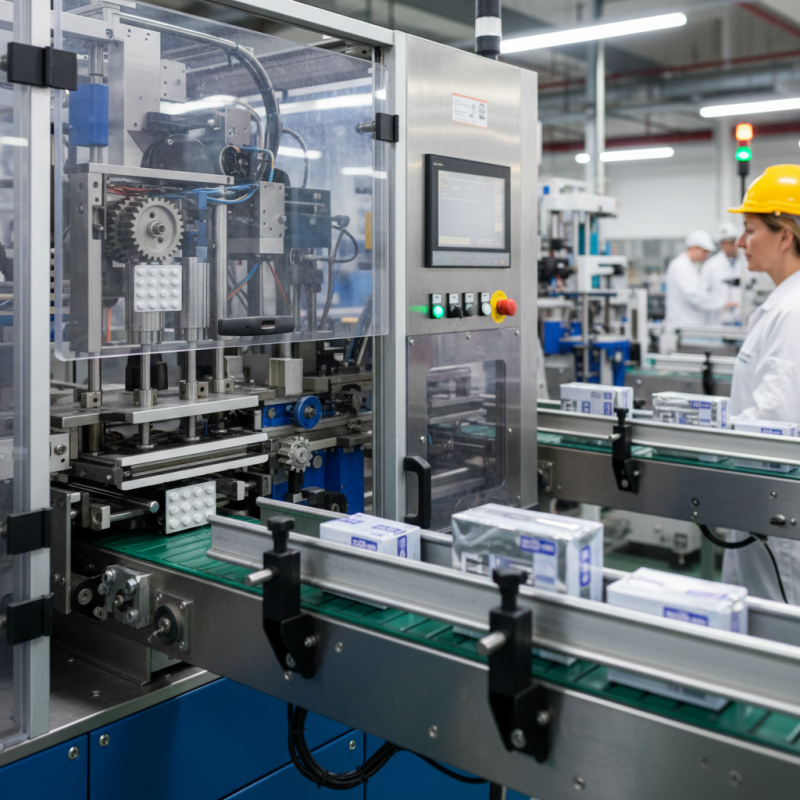
What is a Packing Machine and How Does It Work?

Overview of Packing Machines: Definitions and Types

Packing machines are essential tools in various industries. They streamline the packaging process, ensuring products are securely sealed and ready for distribution. Different types of packing machines cater to specific needs, such as vertical form fill seal machines, horizontal flow wrappers, and cartoning machines. Each type uses unique mechanisms to achieve efficient packaging. For instance, a vertical machine fills and seals products from the bottom up, ideal for liquids or granular items.

Tips: Always consider the type of product when selecting a packing machine. This ensures compatibility and efficiency. Regularly check the machine for wear and tear. Small malfunctions can lead to waste or delays.

Understanding these machines is vital for businesses. The right packing machine can save time and reduce costs. However, choosing a machine without proper research can lead to overpriced and unsuitable options. Take time to assess your packaging needs. This allows for a more informed decision, improving the overall efficiency of your production line.

Overview of Packing Machines: Definitions and Types

Machine Type Description Common Applications Speed (packages/min) Dimensions (L x W x H, cm)
Vertical Form Fill Seal (VFFS) Creates bags from film, fills, and seals them. Snacks, grains, powders 20-120 150 x 90 x 180
Horizontal Flow Wrapper Wraps products in a film and seals them from the sides. Candy bars, cookies, bread 30-150 200 x 100 x 150
Carton Sealer Seals boxes and cartons usually with tape or glue. Consumer goods, electronics 15-60 120 x 80 x 150
Pallet Wrapper Wraps pallets of products in stretch film. Heavy products, warehouse shipments 10-40 200 x 200 x 250
Bagger Fills and seals pre-made bags with product. Pet food, fertilizers, chemicals 25-100 140 x 85 x 160

Key Components of a Packing Machine and Their Functions

Packing machines play a crucial role in the manufacturing process. They ensure products are securely packaged for transportation and sale. Key components of a packing machine include the feeder, which helps guide items into the system. The feeder often moves products with an automated conveyor belt, ensuring a steady flow. Reloading the feeder can sometimes slow down operations, which is something to monitor.

Another essential part is the packing mechanism itself. This can involve various methods like wrapping, boxing, or bagging. Each method has different requirements and speeds. The choice may affect efficiency and reliability. In some cases, switching mechanisms can lead to production delays.

Sealing is also vital. It protects products during shipping. Sealing systems use different techniques, including heat or pressure. If these systems fail, it may result in product damage. Maintenance is often overlooked but critical. Regular checks can prevent costly breakdowns and improve production consistency. Investing time in these areas could enhance overall performance, reducing the risk of errors in packing.

How Packing Machines Operate: Step-by-Step Process

Packing machines play a crucial role in modern manufacturing. They help in packaging products efficiently and accurately. Understanding how these machines operate can reveal their significance. The process begins with product alignment. Items are fed into the machine in a specific order. Aligning is critical to ensure uniform packaging.

Next, the machine moves to the filling stage. It uses various dosing systems to ensure precise amounts. This part is vital for maintaining quality control. Research indicates that automating the filling stage can enhance production speed by up to 30%. Following this, sealing methods are employed. Heat sealing is common for plastic materials. This ensures airtight packages that improve shelf life.

Finally, the packed products are labeled and boxed. The labeling phase must adhere to regulatory guidelines. Inconsistent labeling can lead to costly recalls. It's noticeable that not all machines are foolproof. Frequent maintenance is essential. Over time, wear and tear may lead to inefficiencies. Companies should invest in regular checks to minimize downtime. Data suggests that scheduled maintenance can extend a machine's lifespan by 40%. This issue often gets overlooked, impacting productivity significantly.

Applications of Packing Machines in Various Industries

Packing machines play a crucial role in various industries. They streamline the packaging process, enhancing efficiency and accuracy. According to a market report by Allied Market Research, the global packing machine market is projected to reach $45 billion by 2027. This growth reflects the rising demand across sectors such as food, pharmaceuticals, and consumer goods.

In the food industry, automated packing machines can package products at incredible speeds. For instance, a single machine can package thousands of items per hour. This efficiency not only increases productivity but also reduces labor costs. The pharmaceutical sector benefits significantly too, with machines ensuring drug safety through tamper-proof packaging. A report from Grand View Research indicates that 27% of pharmaceutical companies are investing in advanced packing technologies.

Moreover, environmental concerns are spurring innovation. Many companies aim to use biodegradable materials in their packaging machines. However, the results are mixed. Not all machines can adapt to new materials efficiently. Additionally, the transition can lead to increased costs and longer production times. Balancing sustainability with efficiency remains an industry challenge.

Benefits of Using Packing Machines in Modern Packaging Solutions

Packing machines play a vital role in modern packaging. They offer numerous benefits that enhance efficiency and productivity. For instance, packing machines can significantly reduce manual labor. This means fewer workers are needed for repetitive tasks. As a result, companies can save on labor costs. Machines also operate faster than humans. This leads to quicker turnaround times, which is crucial in today’s fast-paced market.

Another advantage is consistency. Packing machines ensure that each package meets the same quality standards. This uniformity reduces errors that might occur during manual packing. However, transitioning to automated solutions can pose challenges. Not all businesses can afford high-end machinery. There might be a learning curve for employees as well. They need training to operate these machines effectively.

Despite these challenges, the benefits often outweigh the downsides. Packing machines improve overall workflow. They can adapt to various product types, making them versatile. Proper maintenance is essential, though. Neglecting maintenance can lead to breakdowns, causing delays. Balancing automation and human touch requires careful thought. Each business must find its ideal solution.

Benefits of Using Packing Machines in Modern Packaging Solutions

This bar chart displays the benefits of using packing machines across various industries. The data represents the percentage of businesses reporting improvements in efficiency, cost reduction, and product protection after implementing packing machines.