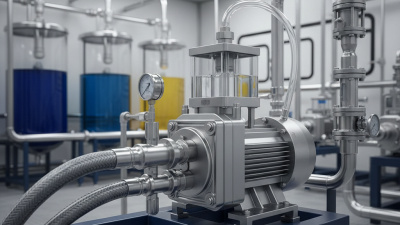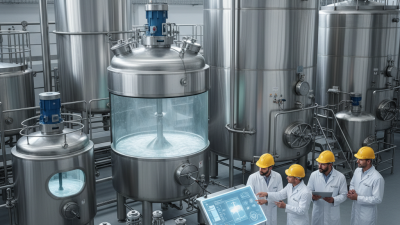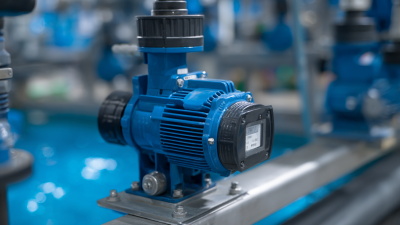
What is a Mixer Pump and How Does It Work?

A mixer pump is an essential machine in many industries. It plays a critical role in mixing and transporting different materials. Often found in construction, mining, and wastewater management, the mixer pump can handle both solid and liquid substances. Its ability to create a consistent blend of materials makes it invaluable.

Understanding how a mixer pump works can enhance efficiency in various applications. This device combines mechanical mixing with pumping capabilities. The design often includes an impeller and a mixing chamber. The impeller creates a strong flow, ensuring materials are thoroughly mixed before transport. This two-in-one function saves both time and resources.

While mixer pumps are effective, they can also pose challenges. Improper maintenance may lead to clogging or reduced performance. Operators must remain vigilant and perform regular checks. A reliable mixer pump provides significant benefits, but attention to detail is vital for optimal outcomes. Balancing efficiency with upkeep is crucial in maximizing the utility of this powerful equipment.
What is a Mixer Pump and How Does It Work?

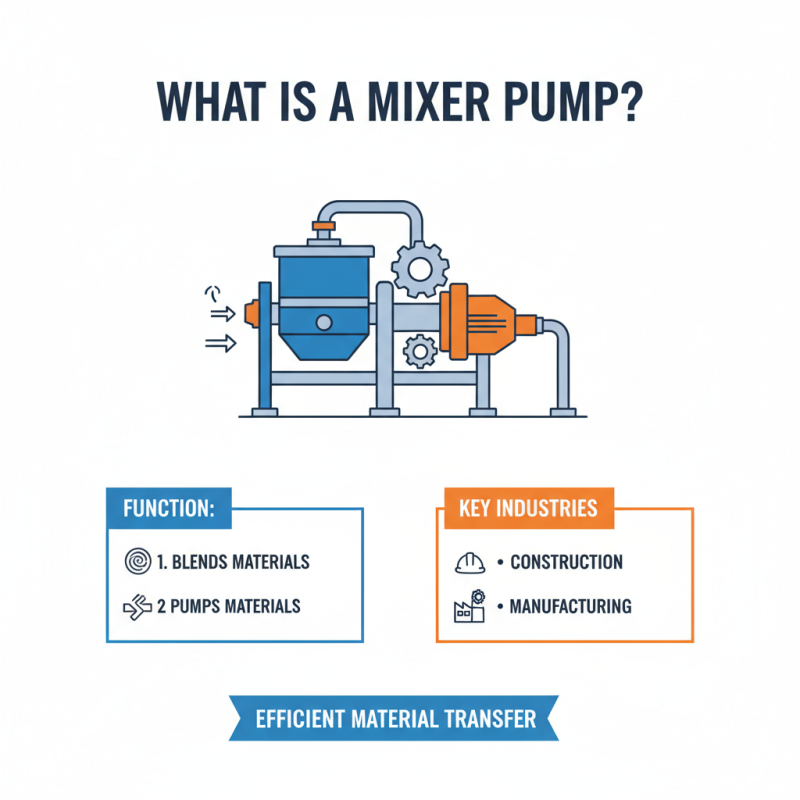
What is a Mixer Pump?

What is a Mixer Pump and How Does It Work?

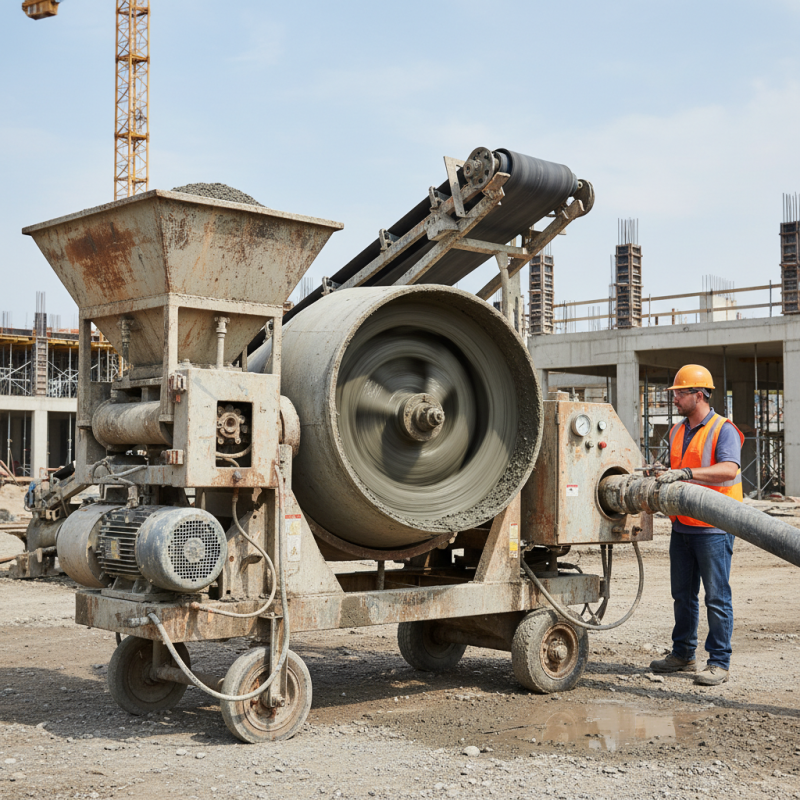
A mixer pump is a versatile machine designed for blending materials while simultaneously pumping them. This equipment is crucial in various industries, especially in construction and manufacturing. It combines the functions of mixing and pumping, allowing for efficient and effective material transfer.

Typically, a mixer pump uses a motor-driven mechanism to agitate and blend materials. As the mixing occurs, the pump mechanism draws the mixed substances into a pipe system. This design enables a continuous flow of the blended materials, which is vital for applications like concrete pouring. The efficiency of the mixer pump reduces labor costs by minimizing manual mixing and transferring.

However, not every mixer pump operates flawlessly. Issues can arise, such as clogging or inconsistent mixing. These challenges remind operators to monitor the equipment closely and ensure proper maintenance. Understanding the nuances of a mixer pump helps users optimize its performance and extend its lifespan. Balancing the mixing and pumping processes is key to its successful operation.
Key Components of a Mixer Pump

A mixer pump is a vital machine in various industries. It combines mixing and pumping functions, making it ideal for handling viscous materials. Understanding its key components helps clarify how it operates effectively.

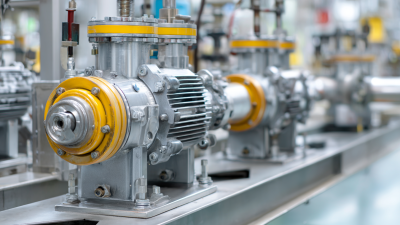
One of the main components is the mixing chamber. This is where materials blend. The design of this chamber influences mixture consistency. An improperly designed chamber can lead to uneven mixing. The pump impeller is another critical part. It generates flow and pressure, moving the mixture. The impeller should be robust and suited to the material being pumped. A mismatch can cause wear and inefficiency.

The drive mechanism powers the pump. Motors or engines typically fulfill this role. The type of drive selected can affect performance and energy consumption. Regular maintenance of these components is crucial for optimal performance. Failing to do so can lead to breakdowns. Proper inspections can identify wear before it leads to serious issues.

How a Mixer Pump Operates: Step-by-Step Process

A mixer pump is a vital tool in various industries, notably in construction and wastewater management. Understanding how a mixer pump works allows us to appreciate its importance in these settings.

The operation of a mixer pump begins with the intake of materials. This pump draws in a mix of liquid and solids. It can handle various materials; however, each type has specific requirements. For instance, the viscosity of the fluid plays a crucial role in the pump's performance. According to industry reports, pumps that handle viscous mixtures require more energy and careful engineering to maintain efficiency.

Once the mixer pump draws in the materials, it enters the mixing chamber. Here, effective agitation occurs. This process ensures a homogeneous mixture, critical for consistent output quality. The pump then forces this mixture through the discharge line. However, if the mixture is too thick, it can clog and lead to downtime. Therefore, continuous monitoring is essential to maintain optimal flow rates and prevent issues. In fact, studies indicate that improper operation can lead to up to 20% lower efficiency. Understanding these operational steps emphasizes the complexity behind a seemingly simple device.

Understanding Mixer Pumps: Performance Metrics

This chart illustrates the key performance metrics of a Mixer Pump, including flow rate, pressure, power consumption, and efficiency. Each metric provides insight into how effectively the mixer pump operates in various applications.

Applications of Mixer Pumps in Various Industries

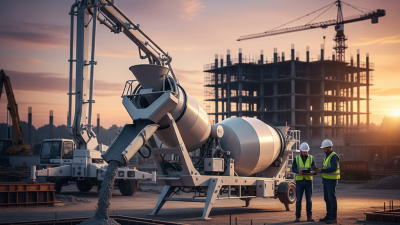
Mixer pumps play a crucial role in various industries due to their efficiency in blending and pumping materials. In the construction sector, mixer pumps are often employed to transport concrete. According to a report by the International Concrete Association, the demand for concrete mixer pumps is projected to grow by 5% annually. This indicates a strong reliance on these machines for construction projects worldwide.

In the chemical industry, mixer pumps are essential for processing viscous liquids. A recent study highlighted that over 40% of manufacturers utilize mixer pumps in their production lines. These pumps ensure uniform mixing of chemicals, enhancing product consistency. However, some users report challenges related to maintenance and potential wear on parts. This emphasizes the importance of selecting the right equipment and ensuring regular inspections.

Food processing also benefits from mixer pumps. Many facilities rely on these pumps to mix ingredients evenly. Reports indicate that 35% of food manufacturers use advanced pumping solutions to maintain quality. Yet, the complexity of cleaning these systems can lead to contamination risks, necessitating stringent hygiene protocols. Real-world applications of mixer pumps demonstrate their effectiveness but also highlight areas for improvement and consideration.

What is a Mixer Pump and How Does It Work? - Applications of Mixer Pumps in Various Industries

Industry Application Benefits of Mixer Pumps Common Uses
Chemical Industry Mixing and transferring chemicals Efficient mixing of viscous fluids Polymer production, chemical reactions
Food and Beverage Blending ingredients and transferring mixtures Maintains quality and consistency Sauces, dressings, dairy products
Pharmaceutical Mixing active pharmaceutical ingredients Precise formulation and dosages Injectables, ointments, suspensions
Construction Mixing and pumping concrete Increases efficiency and reduces labor Foundations, paving, precast structures
Wastewater Management Mixing sludge and pumping wastewater Improves treatment efficiency Digesters, aeration tanks, dewatering

Advantages of Using a Mixer Pump over Traditional Methods

What is a Mixer Pump and How Does It Work?

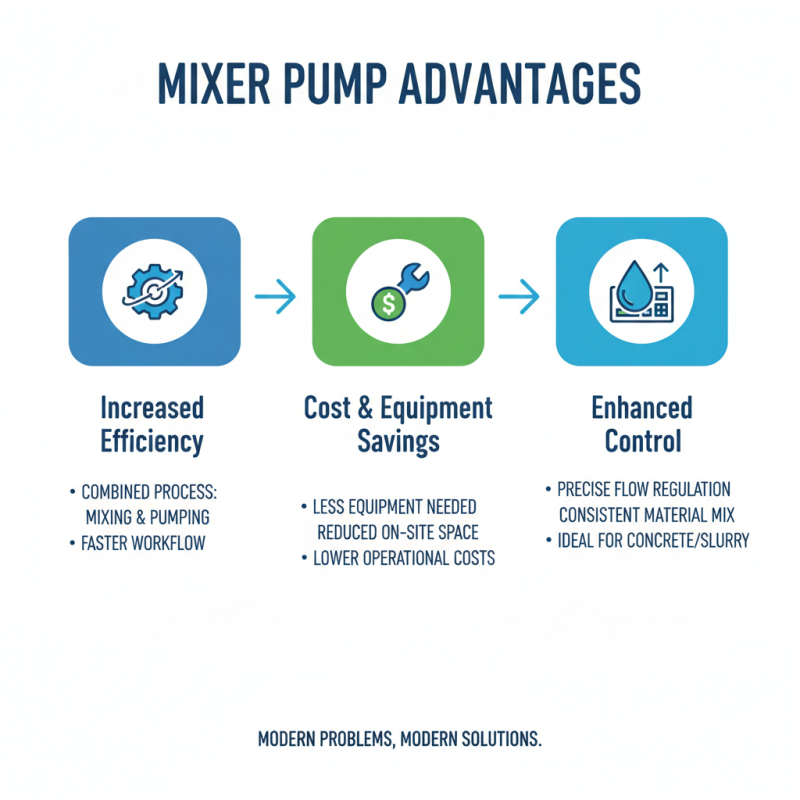
Mixer pumps are increasingly popular in various industries for their unique benefits. They combine mixing and pumping into one efficient process. This dual functionality means less equipment is needed on-site, saving space and reducing costs. Operators can control the flow and consistency of the material, which is crucial for applications like concrete and slurry mixing.

A significant advantage of mixer pumps is their ability to improve productivity. Traditional methods often require separate mixers and pumps, leading to time lost during setup and operation. With a mixer pump, the blending and transfer happen simultaneously. This can lead to more efficient work cycles. However, operators must be skilled to ensure optimal performance and avoid potential mixing issues that may arise.

Moreover, mixer pumps can enhance material quality. They create a more uniform mix compared to traditional methods. This uniformity can reduce waste and increase savings. Yet, there is a learning curve involved in mastering the equipment. Operators must invest time in training to achieve the best results and understand the machine's limitations.