
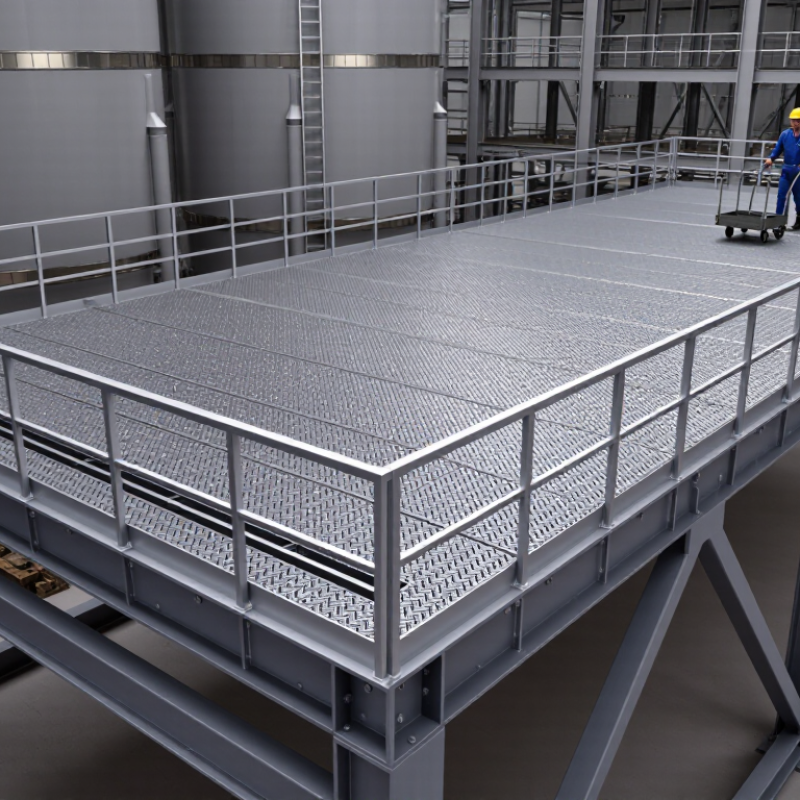
How to Choose the Right Structural Grating?
Selecting grating dimensions starts with the actual load, not the visual appearance. Measure spans, support spacing, live loads, and maintenance equipment. NAAMM MBG 531-23 emphasizes verifying bearing bars, span direction, and load tables before fabrication. A grating panel may look rigid, yet a small support change can increase deflection significantly. Keep walking surfaces firm.
Opening size affects safety, drainage, cleaning, and comfort. OSHA 1910.23 limits openings on many elevated walking surfaces to four inches. Smaller openings may suit areas below, where tools, heels, or debris could fall. The Bureau of Labor Statistics recorded 865 fatal occupational injuries involving falls, slips, and trips in 2022. That figure supports careful surface selection, especially around wet process zones and access platforms.
Support configuration deserves equal attention. Use continuous bearing where panels may shift, and provide positive fixing near vibration sources. Check clips, seats, edge angles, and removable sections together. A 1.5-inch bearing seat can be inadequate when installation tolerances are poor. Field experience often reveals this late. I would recheck every unsupported edge, because a clean drawing can still hide a dangerous gap. Consider corrosion allowance, thermal movement, and future maintenance loads before approving dimensions.