Choosing the right chemical tanks begins with the stored substance, not the tank price. Acids, solvents, oxidizers, and alkaline solutions create different material risks.
Grand View Research estimates that the global chemical storage tanks market will continue growing through 2030. Its analysis highlights rising demand for safer storage, industrial expansion, and stricter environmental controls. MarketsandMarkets also identifies material compatibility, capacity, and regulatory compliance as major selection factors.
The details matter.
A polyethylene tank may resist many corrosive liquids. However, temperature, concentration, sunlight, and mechanical stress can change its performance. Stainless steel may offer strength, yet certain chemicals can cause pitting or stress corrosion. A tank that looks suitable can still fail at its fittings, seams, or ventilation system.
Corrosion specialist R. Winston Revie described corrosion as “the deterioration of a material and its properties due to its environment.” That principle remains practical when comparing chemical tanks. The tank wall is only one part of the storage system.
Experienced operators inspect fill lines, secondary containment, level indicators, grounding, and emergency access. They also review cleaning procedures and future chemical changes. Overlooking one connection can create a serious maintenance problem.
Capacity requires careful judgment, too. Excess space may increase costs and vapor exposure. Insufficient space can cause overflow during delivery or thermal expansion. The best choice balances chemical compatibility, operating temperature, structural demands, inspection access, and total ownership cost.
This guide examines those decisions in practical terms. It also recognizes an uncomfortable truth: no material is universally perfect. A qualified engineer should verify the final design against current technical standards, site conditions, and the tank manufacturer’s data.
Choosing a chemical tank starts with defining the liquid, not browsing tank sizes. Record its concentration, specific gravity, viscosity, temperature, vapor pressure, and compatibility risks. A diluted acid may require different materials than its concentrated form. Small changes matter.
The UN Global Chemicals Outlook II valued global chemical sales at about US$5.7 trillion in 2017. It projected the market could nearly double by 2030. That scale increases storage demand, but the figure does not size your tank. Your process does. Calculate normal volume, peak batch size, daily turnover, and required freeboard. Include thermal expansion and emergency capacity. A practical review should also identify mixing needs, pump suction limits, venting, and secondary containment.
Operating conditions can expose weak assumptions. Check the highest and lowest temperatures, vacuum conditions, outdoor loading, and cleaning chemicals. Confirm material compatibility with documented resistance data, not a sales promise. Standards and safety guidance from organizations such as ASTM, ASME, and the Center for Chemical Process Safety can support the review. Still, published tables may not reflect your actual concentration or impurities. That is where testing helps. A clean spreadsheet can still mislead. Have an experienced engineer verify the design, especially when pressure, heat, fumes, or frequent transfers are involved.
Choosing a chemical tank starts with compatibility, not price. HDPE handles many acids, bases, and salts, while polypropylene tolerates higher temperatures. However, both materials can suffer stress cracking under heat, load, or repeated filling. PVC offers useful resistance, but it can become brittle in cold conditions. Fiberglass-reinforced plastic provides strength and corrosion resistance, yet resin selection remains critical.
Metal tanks need closer chemical review. Carbon steel suits some solvents and non-corrosive liquids, but moisture and chlorides can accelerate corrosion. Stainless steel performs better in many aggressive environments, although concentrated chlorides may still cause pitting. The NACE IMPACT study estimated global corrosion costs at about 2.5 trillion dollars annually, equal to roughly 3.4% of global GDP. That figure shows why material selection deserves engineering attention, not guesswork. (NACE IMPACT, 2016)
Tips: Request compatibility data for the exact chemical concentration, temperature, and storage time. Check ASTM D543 results for plastic resistance, and ask for permeation or stress-cracking evidence. Inspect tanks during service. A small surface change can signal a larger failure risk. Keep a test sample when practical; real-site exposure may differ from laboratory results. I once treated “excellent resistance” as a complete answer. It was not. Fittings, gaskets, welds, and tank supports can fail before the main wall. Choose the complete system, then document its limits.
Selecting the right tank design begins with the chemical, not the available floor space. Identify concentration, temperature, density, viscosity, and exposure time. These details influence wall thickness, lining requirements, and material compatibility. A tank that handles diluted fluid may fail with a stronger solution. Small assumptions can create expensive problems.
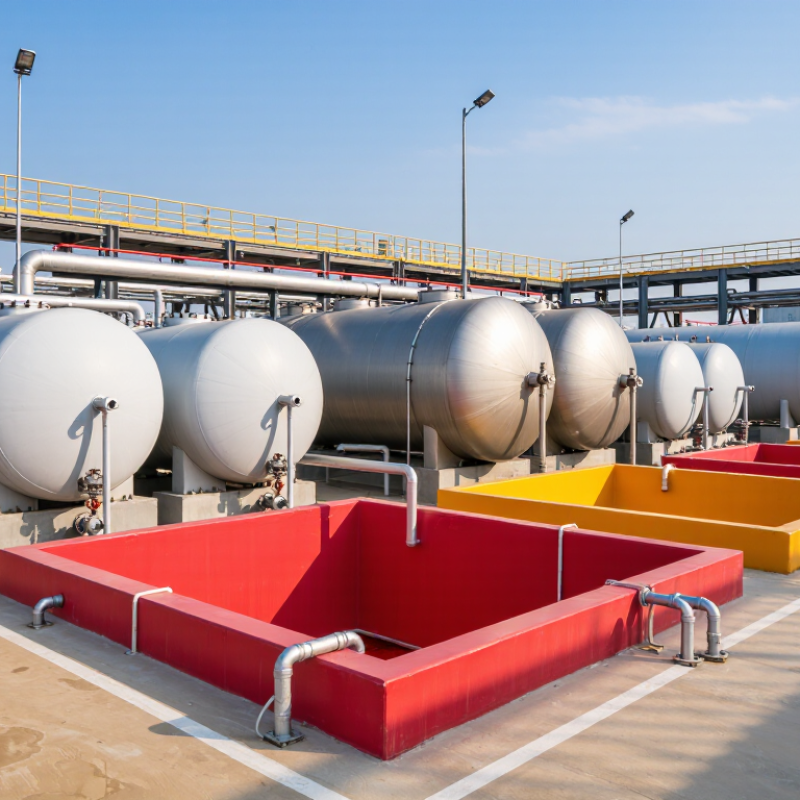
Configuration matters just as much. Vertical tanks suit limited floor areas and higher storage volumes. Horizontal tanks can simplify transport and improve access in low-clearance rooms. Consider fittings, valves, level instruments, cleaning ports, and emergency drainage before fabrication. Agitation may be necessary when solids settle or temperatures vary. Venting also requires careful design, especially when vapors or pressure changes are possible. A qualified engineer should verify the design against applicable safety requirements and site conditions.
Tips: Leave enough clearance for inspection and maintenance. Confirm every gasket and connection material. Add secondary containment where a leak could affect people, soil, or equipment. Keep a written compatibility review. It sounds basic. It is often missed. Avoid choosing the cheapest configuration without checking its service life. A larger tank is not always better; unused volume can increase costs and cleaning effort. Review the layout with operators, because drawings rarely show every practical obstruction. Even experienced teams should question their first design.
Choosing a chemical tank begins with the hazard, not the price. Review the chemical’s safety data sheet, concentration, temperature, and storage duration. Tank materials must resist permeation, swelling, cracking, and corrosion. Compatibility charts help, but they are not the final authority. Ask a qualified engineer to verify uncertain combinations.
Safety features deserve close inspection. Specify secondary containment sized for the credible spill volume. Include visible level indicators, overfill protection, leak detection, and secure access points. Provide suitable ventilation where vapors may collect. Keep emergency showers, eyewash stations, and spill-control materials within practical reach. Small details matter.
Installation conditions can quietly create major risks. Check floor loading, seismic exposure, sunlight, drainage, and vehicle traffic before delivery. Anchor tanks according to engineered calculations, not guesswork. Use compatible gaskets, valves, hoses, and supports. Follow applicable local codes, recognized industry standards, and inspection requirements. A commissioning test should verify joints, alarms, grounding where required, and safe filling procedures. I have found that clean drawings often hide awkward maintenance access. Walk the installation route with operators before approval. No checklist catches everything. Review the design after real use.
How to Choose the Right Chemical Tanks for Your Needs
Plan Maintenance, Monitoring, and Long-Term Replacement Costs
A suitable chemical tank must support safe storage and predictable operating costs. Material compatibility is only the starting point. Review temperature, concentration, pressure, ultraviolet exposure, and cleaning methods before selecting the tank. A detailed service history can reveal problems that specifications overlook. Small cracks around fittings often appear before larger failures.
Build maintenance into the purchase decision. Schedule visual inspections, thickness checks, gasket replacement, and valve testing. Monitoring tools can track level, temperature, leakage, and unusual pressure changes. Keep readings in a simple, dated log. Patterns matter. However, sensors can drift, and a spreadsheet can contain errors. Verify critical readings manually at planned intervals.
Tips: Compare annual maintenance, inspection labor, spare parts, and disposal planning. Ask for realistic replacement intervals, not optimistic estimates. Keep access clear around the tank. Label inspection points clearly. Train operators to report discoloration, swelling, odors, or unexplained level changes. These details may seem minor. They are not. A cheaper tank can become expensive when downtime, emergency pumping, and unplanned replacement are included. Revisit the cost model after every major process change, because yesterday’s assumptions may no longer fit today’s conditions.