
How to Choose the Best Carburetor Cleaner?
The best carburetor cleaner depends on its ingredients, not its strongest smell. Solvent-based formulas often dissolve varnish, oily deposits, and dried fuel residue quickly. Acetone and aromatic solvents can clean aggressively, but they may damage paint, rubber, plastic, or some gaskets. Alcohol-based formulas are usually milder and evaporate cleanly, though stubborn deposits may need repeated applications. Detergents and corrosion inhibitors can improve cleaning while reducing surface damage. Still, the ingredient list deserves careful attention.
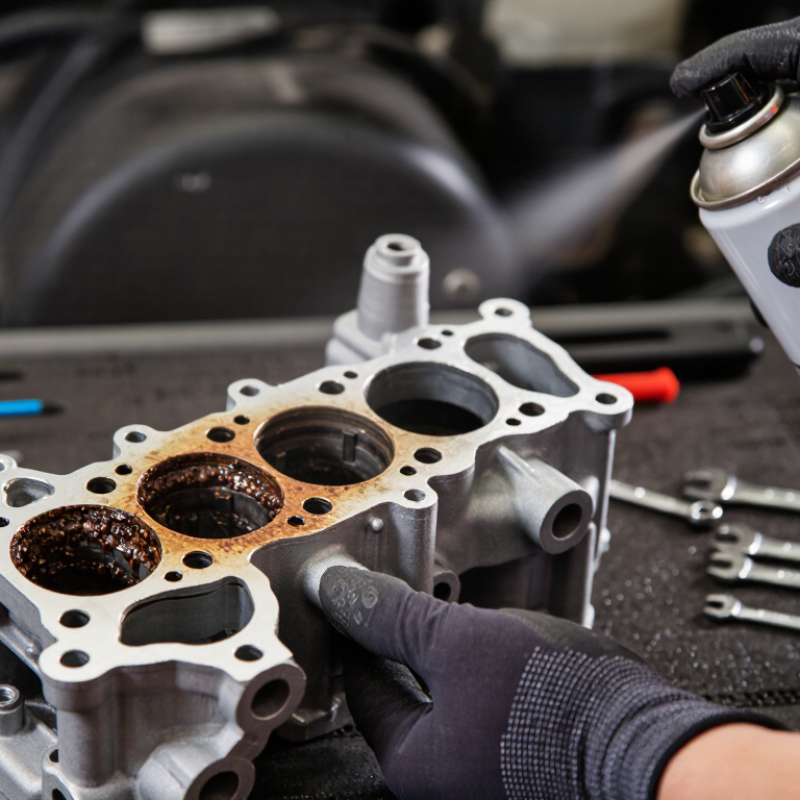
A practical check starts with the material being cleaned. Spray a small hidden area first, then wait for discoloration, swelling, or softening. Good formulas leave little residue after evaporation. A cloudy film is a warning sign. Always use ventilation, chemical-resistant gloves, and eye protection. Never spray near flames, hot surfaces, or electrical sparks. The product label and safety data sheet provide more reliable guidance than advertising claims.
Tips: Choose a formula labeled for carburetor use. Avoid soaking rubber parts unless approved. Use a soft nylon brush for narrow passages. Do not force hardened deposits with metal tools. I once assumed a stronger solvent would work better, but it also dulled a nearby coated surface. That mistake changed my approach. Cleaning power matters, but compatibility matters more. Test patiently, because one formula cannot safely suit every carburetor material.