Essential Tips for Optimizing Chemical Feed Systems?

Optimizing chemical feed systems is crucial for efficiency and safety in various industries. Properly calibrated systems can enhance performance and reduce waste. However, achieving optimal operation often requires careful attention to detail.

Many facilities overlook the importance of routine maintenance. Neglect can lead to inconsistent chemical dosing and increased operational costs. It's easy to assume everything works fine, but minor issues can escalate quickly. Frequent check-ups can prevent potential problems.

Understanding the specific needs of your chemical feed systems is vital. Each application may demand different flow rates or chemical compositions. Tailoring system specifications can yield better results. It's about finding the right balance between precision and practicality, which isn’t always a straightforward process.
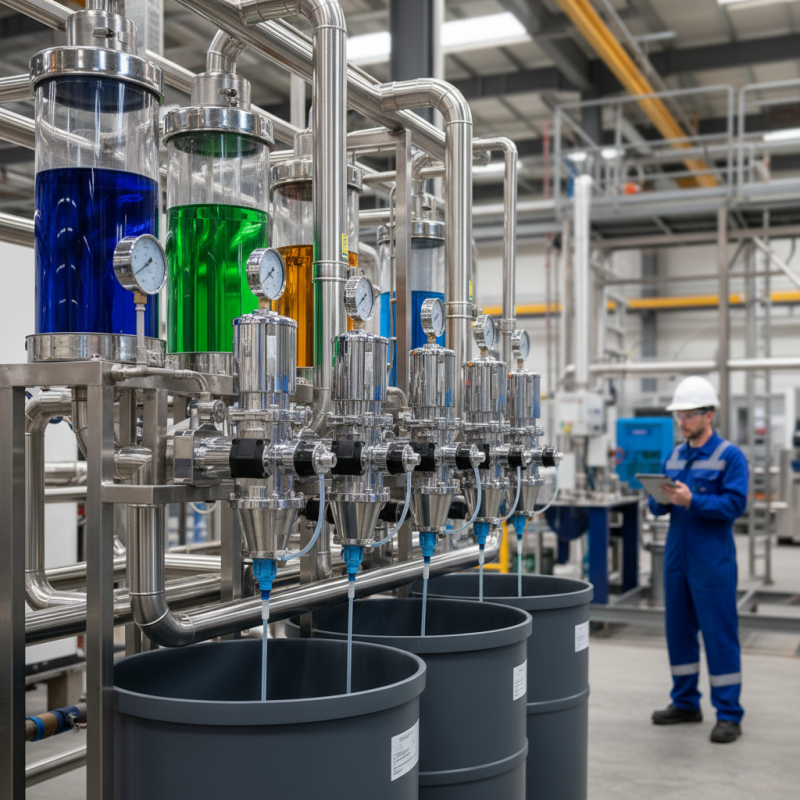
Essential Tips for Optimizing Chemical Feed Systems?

Understanding the Basics of Chemical Feed Systems

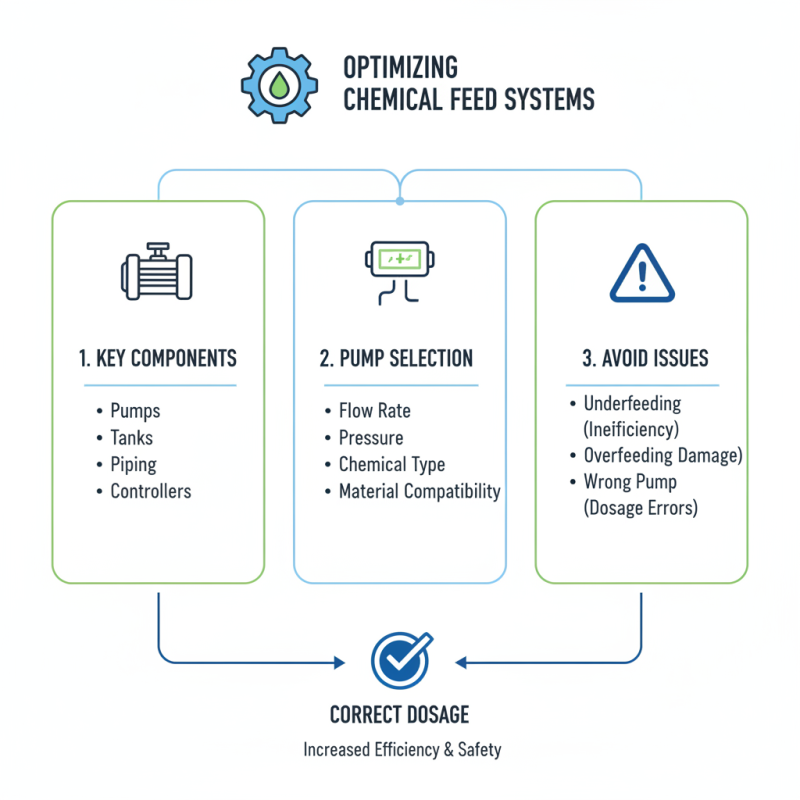
Chemical feed systems play a vital role in various industries. They ensure the proper dosage of chemicals for processes like water treatment and manufacturing. Understanding the basics is essential for optimizing these systems. Efficient operation begins with choosing the right pump. Different pumps serve specific applications, and a mismatch can lead to inefficiencies.

Monitoring the flow rate is crucial. An incorrect flow rate can cause chemical imbalances, leading to subpar results. Regular checks help identify issues early. Some systems might overlook minor leaks, which can escalate into bigger problems over time. Training staff on system operations can reduce human errors, but not everyone retains information equally.

Calibration of sensors is another critical aspect. Inaccurate readings can disrupt the entire process. However, frequent recalibrations might not always be feasible due to time constraints. It's a balancing act. Achieving the ideal balance between efficiency and practicality can be challenging. Recognizing these imperfections is part of optimizing chemical feed systems.

Essential Tips for Optimizing Chemical Feed Systems

Tip Number Optimization Tip Description Benefits
1 Regular Maintenance Ensure that all components are inspected and maintained. Prevents breakdowns and prolongs equipment life.
2 Calibration of Feed Rates Regularly calibrate sensors to ensure accurate feed rates. Improves process efficiency and product quality.
3 Monitoring Chemical Concentrations Install real-time monitors for chemical concentrations. Ensures optimal chemical dosing and operational efficiency.
4 Use of Automation Implement automated systems for dosing and mixing. Reduces human error and optimizes dosing accuracy.
5 Training Personnel Regularly train staff on operating procedures and safety. Ensures safety and efficiency in operations.

Identifying Key Components for Efficient Operation

Essential Tips for Optimizing Chemical Feed Systems?

To optimize chemical feed systems, understanding key components is crucial. Pumps play a significant role in ensuring the right dosage of chemicals. They should be selected based on flow rate and pressure requirements. If the wrong pump is used, it can lead to underfeeding or overfeeding.

Mixing units are another critical element. A good mixer ensures even distribution of chemicals. However, many systems overlook this, resulting in clumping or uneven mixtures. This can negatively impact performance. Evaluate the mixer type. Consider paddle mixers or static mixers based on application needs.

Monitor the entire system regularly. Sensors can detect issues such as blockages or leaks. Pay attention to the delivery lines, too. Corrosion can occur over time, affecting efficiency. Regular maintenance schedules can often be neglected. A consistent approach to maintenance will promote longevity and performance. Operators need ongoing training to identify problems as they arise.

Evaluating System Performance and Optimization Metrics

Essential Tips for Optimizing Chemical Feed Systems?

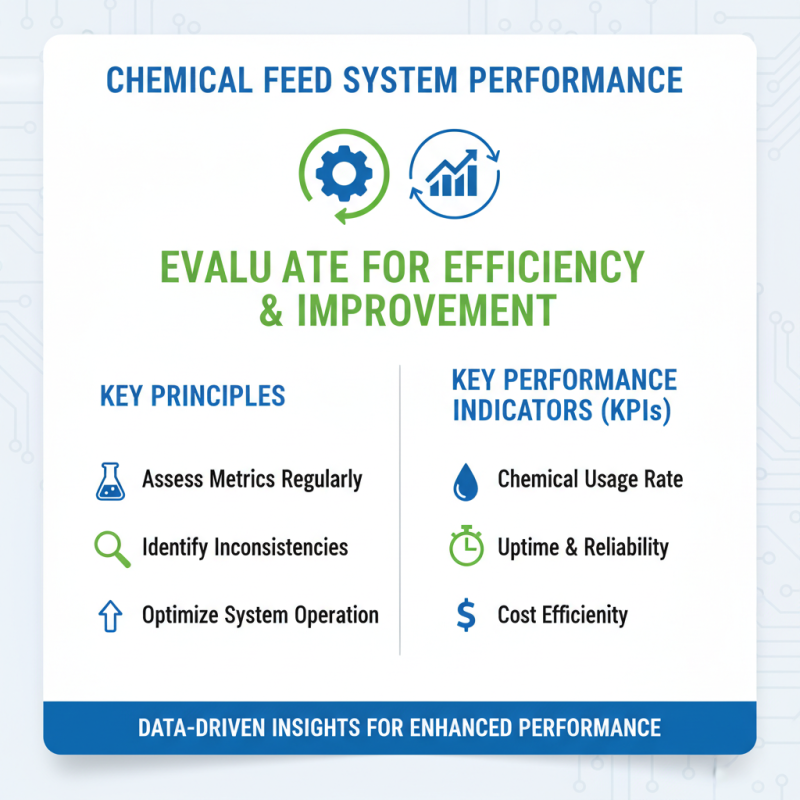
Evaluating the performance of chemical feed systems is crucial for efficiency. Knowing how to assess metrics is essential for improvement. Key performance indicators (KPIs) can reveal how well a system operates. Regular monitoring can help identify inconsistencies.

One effective tip is to evaluate flow rates regularly. This allows operators to confirm that the correct amount of chemical is introduced. Fluctuations might suggest a malfunction, which needs addressing. Delays in adjustments can lead to larger issues down the line.

Another useful approach is to track chemical concentrations. Inadequate levels can affect outcomes. Operators should routinely measure these values to ensure they remain within optimal ranges. This might seem tedious, but small errors can accumulate, creating significant problems. Always be ready to adapt and refine strategies based on the data collected.

Implementing Regular Maintenance and Troubleshooting Practices

Regular maintenance is crucial for chemical feed systems. Neglect can lead to costly downtime. Schedule inspections regularly. Check for leaks, clogs, and worn components. A simple visual inspection can reveal hidden issues. Don’t overlook minor problems. They can escalate quickly.

Troubleshooting practices are important when problems arise. Utilize flow meters and pressure gauges to gather data. These tools provide insight into system performance. If something seems off, investigate immediately. Small anomalies can indicate larger issues. Document all findings and adjustments. This record can help identify patterns over time.

While maintenance and troubleshooting are essential, many systems still suffer from avoidable problems. Lack of training can lead to mistakes. Operators should understand system functions fully. Inadequate knowledge may cause misdiagnosis of issues. Encourage regular training sessions. This can enhance skill levels and prevent mistakes in the future. Emphasizing ongoing learning will lead to better management of chemical feed systems.

Integrating Automation for Enhanced Control and Efficiency

Integrating automation into chemical feed systems can drastically enhance control and efficiency. Automated systems enable precise dosing and timing, reducing the chances of human error. Sensors play a crucial role in monitoring real-time data. This allows for immediate adjustments in chemical feed rates. For example, if a parameter exceeds a threshold, the system can adapt without manual intervention.

However, the implementation of automation isn't without challenges. Different systems may require a learning curve for staff. Training can be time-consuming and may disrupt operations initially. Additionally, there are concerns regarding system reliability. If a failure occurs, it could lead to significant downtime or even compromised processes. Regular maintenance and updates are essential to mitigate these risks.

Automation also provides valuable data insights into chemical usage patterns. Analyzing this data can reveal inefficiencies and highlight areas for improvement. Yet, it is vital to not solely rely on automated systems. Human oversight is still necessary, especially in critical applications. Balancing automation with skilled personnel can ensure optimal performance and safety.

Optimization of Chemical Feed Systems