How to Choose the Right Pump Metering System?

Choosing the right pump metering system is not simply a matter of matching flow rate and pressure. It requires a clear understanding of the process, the fluid, and the operating environment. A system that performs well with clean water may struggle with viscous chemicals, abrasive slurries, or fluids that release gas. Small details matter. Temperature changes, pipe length, pulsation, and cleaning routines can all influence accuracy.

A reliable pump metering decision begins with practical measurements. Record the required flow range, discharge pressure, fluid viscosity, temperature, and chemical compatibility. Then compare diaphragm, peristaltic, piston, or progressive cavity technologies against those conditions. Experienced engineers also examine calibration methods, control signals, spare parts, and maintenance access. A pump metering system should deliver consistent dosing at both low and peak demand. It should also provide useful feedback when performance changes.

There is no perfect choice for every facility. That is worth remembering. A lower purchase price may create higher maintenance costs later. An advanced controller may be unnecessary for a simple process. Even published performance data needs careful verification under real operating conditions. Trusted manufacturers should explain testing methods, material selections, expected service intervals, and installation requirements. Independent technical guidance can reduce uncertainty, especially when safety and product quality depend on accurate dosing. This guide explores the key questions behind a sound selection, helping readers choose equipment that is precise, maintainable, and suitable for long-term operation. Mistakes happen. A thoughtful review can make them less expensive.
How to Choose the Right Pump Metering System?

Understanding What a Pump Metering System Does

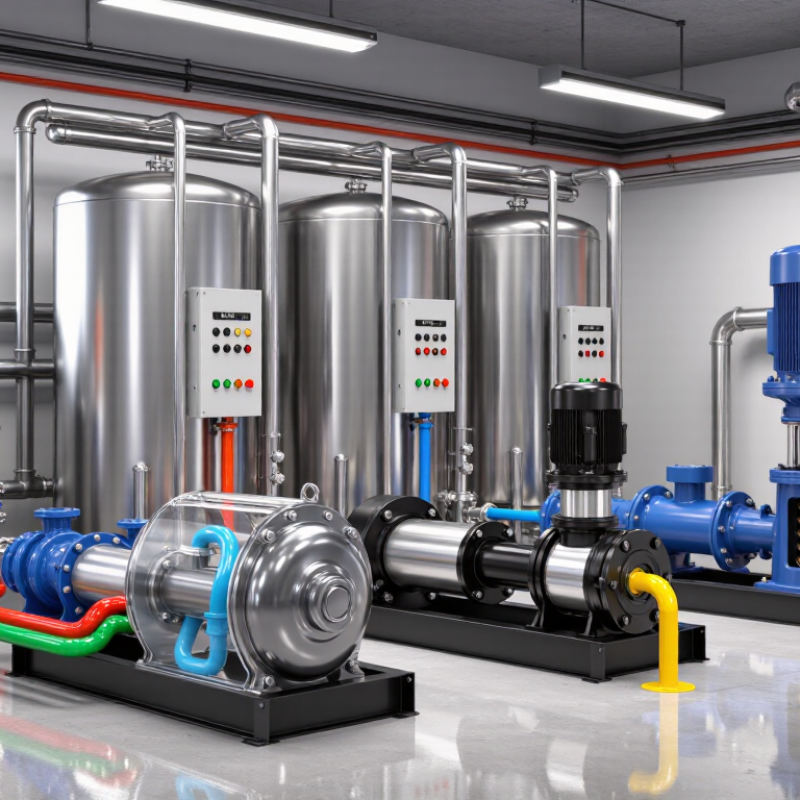
A pump metering system moves and measures a controlled volume of liquid. It usually includes a dosing pump, flow meter, valves, sensors, and a control panel. The system may inject chemicals into water, process lines, or cleaning equipment. Its real job is consistency. A small error can change concentration, product quality, or treatment performance.

The U.S. Department of Energy reports that pumping systems can represent about 25% of industrial electricity use. Its pumping guidance also identifies potential energy savings of 20% to 50% through proper system optimization. These figures matter when choosing a metering system.

A pump that handles pressure well may still waste energy at low flow. Check the required flow range, discharge pressure, liquid viscosity, temperature, and chemical compatibility. Then confirm accuracy across the expected operating range.

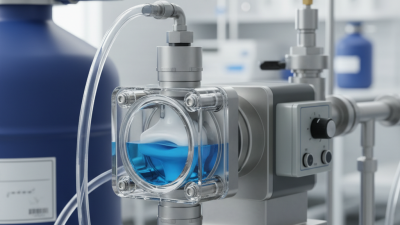
Details matter. A calibration column beside the pump helps technicians verify actual output. A pulse signal can connect the pump to a flow meter or process controller. During commissioning, measure the liquid, not only the pump setting.

Pipe vibration, trapped air, and changing backpressure can distort results. This is often overlooked.

A clean datasheet does not guarantee stable dosing.

The Hydraulic Institute emphasizes matching pump selection with system conditions, not isolated efficiency figures. For practical selection, compare turndown, maintenance access, alarm functions, and verification methods. The cheapest system may become expensive when recalibration requires repeated shutdowns.

Identifying Your Fluid, Flow Rate, and Pressure Requirements

How to Choose the Right Pump Metering System?

Identifying Your Fluid, Flow Rate, and Pressure Requirements

Selecting a pump metering system starts with the fluid, not the equipment catalog. Record its viscosity, temperature, solids content, and chemical behavior. Water-like liquids behave very differently from thick oils or abrasive slurries. Small particles can also damage valves, seals, and measuring components.

Flow rate requires more than a single number. Define the normal, minimum, and maximum rates for the process. A system running constantly near its upper limit may lose accuracy and service life. Check whether the required dosage is continuous or intermittent. Pulsation can matter when a downstream sensor reads each dose.

Pressure is equally important. Measure discharge pressure during real operation, including elevation changes, pipe friction, filters, and control valves. A pump may meet the rated flow in an open test, then struggle in a narrow process line. That detail is often missed. It should not be.

Ask for material compatibility data before choosing wetted parts. Temperature changes can alter viscosity and calibration. Pressure relief protection may also be necessary when a discharge line becomes blocked. Keep a written record of the assumptions, because early estimates are rarely perfect. Recheck them after installation. A minor error in fluid properties can become a major dosing problem.

Comparing Pump Types and Metering Control Methods

Choosing a pump metering system starts with the fluid, not the catalog. Centrifugal pumps suit clean, low-viscosity liquids and steady flow. Diaphragm pumps handle corrosive chemicals and higher discharge pressures. Peristaltic pumps protect sensitive fluids through gentle tubing compression, but tubing wear can reduce accuracy. Progressive cavity pumps provide stable flow for viscous liquids, although maintenance can be less convenient.

Control method matters just as much. Variable-frequency drives adjust centrifugal pump speed efficiently when demand changes. Stroke length and stroke frequency control diaphragm pumps more directly. Closed-loop control adds a flowmeter, pressure sensor, and controller. It can correct dosing changes caused by temperature, viscosity, or backpressure. The Hydraulic Institute’s ANSI/HI 9.6.7 standard emphasizes selecting meters according to installation conditions, fluid properties, and required accuracy. A meter that performs well in a laboratory may drift beside a vibrating pipe.

Energy deserves attention. The U.S. Department of Energy reports that optimized pumping systems can achieve energy savings of 20% to 50%. That figure is significant, but it is not automatic. Oversized pumps still waste power, even with a modern controller. Field checks should include suction pressure, discharge pressure, actual flow, and calibration records. Small details matter. A damped pulsation line may improve sensor readings. A forgotten air bubble may not. I have seen neat calculations fail because operators trusted the display without checking the collection tank. That is a useful weakness to remember.

Evaluating Accuracy, Materials, Safety, and Maintenance

Choosing a pump metering system requires more than checking its flow range. Accuracy, materials, safety, and maintenance must work together.

API Standard 675 commonly uses ±1% steady-state flow accuracy as a design reference for controlled-volume pumps. However, calibration results can change with temperature, viscosity, pulsation, and suction conditions. Measure actual performance under operating conditions.

The U.S. Department of Energy’s Improving Pumping System Performance sourcebook reports that pumping systems can represent about 27% of industrial electricity use. Efficient control therefore affects both dosing quality and operating cost. Small errors compound.

Materials need chemical compatibility, not just corrosion resistance. Check the fluid’s concentration, temperature, abrasiveness, and vapor pressure. Seal and diaphragm selection matters, too. For potable-water applications, evaluate relevant material standards such as NSF/ANSI 61.

Safety features should include pressure relief, leak containment, isolation valves, and clearly visible pressure gauges. A blocked discharge line can turn a minor control fault into serious equipment damage.

Maintenance planning is often underestimated. ISO 14224 supports structured collection of equipment failure and maintenance data, helping teams identify recurring problems. Record calibration drift, diaphragm replacement intervals, valve wear, and unexpected shutdowns.

A practical inspection may reveal something a specification sheet misses: crystallized residue around a valve, a warm motor housing, or uneven discharge pulses. I have seen teams select excellent pumps but neglect access for servicing. That mistake is expensive.

A perfect checklist does not exist; review the system after installation and revise it using measured evidence.

Selecting the Best System for Installation and Future Needs

Choosing the right pump metering system starts with the installation environment, not the catalog page. Measure the fluid’s viscosity, temperature, pressure, and required flow range. A system that performs well in a clean laboratory may struggle beside a dusty production line. Leave enough space around the pump for calibration, tubing replacement, and safe inspection. Small access panels become frustrating after months of operation.

Future needs deserve equal attention. Check whether the system can handle higher flow rates, additional dosing points, or digital monitoring later. Confirm that replacement seals, tubing, sensors, and control parts will remain available. Standard connections can simplify maintenance, but they may limit accuracy in specialized applications. I have seen projects choose the cheapest meter and spend more on modifications later. The original plan looked complete, but it ignored seasonal temperature changes.

Tips: Record the lowest and highest expected flow rates. Test the actual liquid when possible. Ask installers how calibration will be verified. Review alarm functions, data output, and cleaning requirements before approval. Keep a written commissioning record, including pressure readings and calibration dates. Do not depend on memory. One overlooked detail can distort every later measurement. A short trial installation may reveal vibration, pulsation, or awkward access that drawings cannot show. Good equipment is only part of the solution; thoughtful installation and adaptable planning determine its working life.