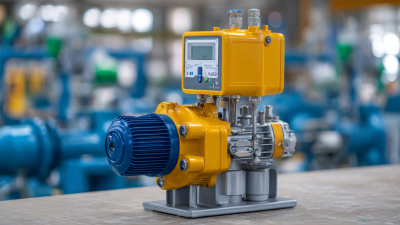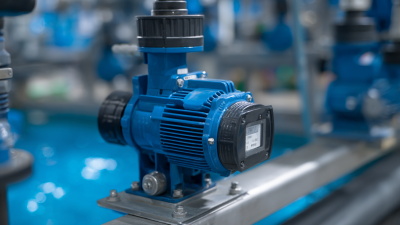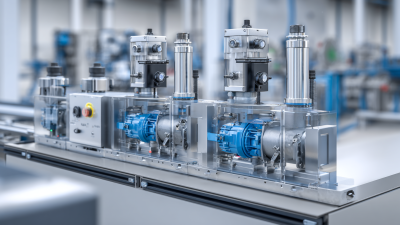
Choosing the right chemical metering pump system is crucial for efficiency and safety. According to John Anderson, a leading expert in the field, “Selecting the right pump is not just about specifications; it’s about understanding the application.” His insight highlights the importance of aligning pump characteristics with specific needs.
Many industries rely on chemical metering pump systems for precision. These pumps deliver fluids accurately and consistently. Selecting the best system requires careful evaluation of factors like flow rate, pressure, and chemical compatibility. Mistakes in this process can lead to inefficiencies and even safety hazards.
Additionally, one must consider the operational environment and maintenance requirements. While various options exist, not all systems suit every scenario. Thus, a thoughtful approach is essential. Reflecting on past experiences can guide better decisions. Investing time in research and expert consultation often leads to better outcomes.
When selecting a chemical metering pump, understanding the types available is crucial. There are mainly two categories:
positive displacement pumps and
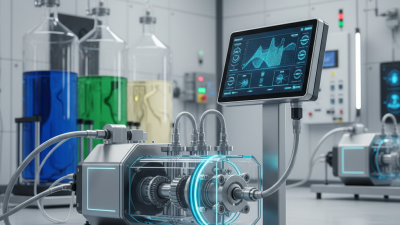
electronic metering pumps. Positive displacement pumps are known for their accuracy and are preferred in applications requiring precise flow rates. These pumps can handle highly viscous fluids and are often used in industrial settings. On the other hand, electronic metering pumps are versatile and can adjust flow rates automatically based on system demands.
In a recent report from the Chemical Engineering Industry Association, it was found that over 40% of companies reported flow rate accuracy as their top priority when choosing a pump. This suggests that a reliable and accurate system is essential for successful chemical dosing. Furthermore, applications range from water treatment to pharmaceuticals, showcasing their versatility.
Tip: Always assess the viscosity of the chemicals you'll be handling. Some pumps may struggle with high-viscosity liquids, leading to inefficiencies or even system failures. Regular maintenance checks can prevent unexpected breakdowns, ensuring smooth operation.
Another consideration is pump material. Chemicals can be corrosive, and the right materials can extend the pump's lifespan. A recent study indicated that pumps made from advanced composite materials resist corrosion better than traditional options.
Tip: Engage with industry experts for guidance. Their experience can provide insights that reports may not capture, such as specific application challenges or emerging technologies.
Choosing the right chemical metering pump system requires careful consideration. Multiple factors can influence your decision. Start by understanding your specific application and required flow rate. Some industries need precise dosing; others may prioritize durability.
Tip: Evaluate the chemical compatibility of your pump materials. Different chemicals can react with pump components. This can affect performance and longevity.
Another aspect to examine is the operating environment. Factors like temperature and pressure play crucial roles in pump reliability. Ensure that your selected system can withstand these conditions. Often, pumps fail when overexposed to harsh environments.
Tip: Regular maintenance can prolong the life of your metering pump. Set a schedule to inspect seals and connections regularly. Neglecting maintenance often leads to costly downtime and repairs.
Finally, consider the ease of installation and user-friendliness of the system. Some pumps require specialized training to operate effectively. An overly complex system may lead to errors and inefficiency. Balancing complexity with ease of use is essential for optimal performance.
When selecting a chemical metering pump system, understanding flow rate and pressure requirements is crucial. Flow rate refers to the volume of liquid pumped per unit time. Assessing this involves analyzing the specifics of your application. Consider how much liquid you need to deliver and at what frequency. Knowing these details ensures that the pump will meet your operational demands.
Pressure requirements are equally important. This means evaluating the system's resistance to flow. The required pressure will depend on the characteristics of the liquid and the layout of your piping. It's vital to consider these aspects, especially in complex setups. Neglecting pressure needs can lead to inefficiency or pump failure.
Tips: Always conduct a thorough analysis of your system's needs before selecting a pump. Collect accurate data on flow rate and pressure. Regularly review your system’s performance as these parameters can change over time. Being proactive can prevent unexpected issues later on. Remember, reflecting on previous performance can guide future choices. Adjustments might be necessary as operational conditions evolve.
When selecting a chemical metering pump system, material compatibility is crucial. The wrong materials can lead to degradation and dangerous leaks. Research indicates that nearly 30% of pump failures are due to incompatible materials, which can compromise safety and efficiency.
Different chemicals require different materials. For example, acids like sulfuric acid necessitate pumps made from highly corrosion-resistant materials such as PVDF or certain stainless steels. Meanwhile, alkaline substances may harm standard rubber components. Using a material compatibility chart can help identify suitable options, but these charts might not cover every possible interaction. Frequent testing and material evaluations are advised to avoid potential pitfalls.
Additionally, consider the operating environment. High temperatures and pressures can intensify wear on materials. According to a study by the Pumps and Systems Association, 20% of maintenance issues arise from environmental factors that weren’t taken into account during the material selection process. This highlights the need for a comprehensive understanding of both the chemicals involved and the operational context to ensure longevity and reliability. Regular audits and assessments can provide valuable insights into the performance of the chosen pump materials over time.
When selecting a metering pump system, maintenance and support are crucial aspects to consider. A well-functioning pump ensures consistent chemical dosing, which is vital for process stability. Regular inspections can identify issues early, preventing costly failures later. Each pump type has unique maintenance needs, so understanding these is essential. Some systems require daily checks, while others might only need weekly or monthly attention.
Support services can greatly enhance efficiency. Manufacturers often provide technical assistance and training. This ensures that your team can troubleshoot issues effectively. Additionally, warranties and service agreements can offer peace of mind. They often cover parts or on-site support, saving time and potential repair costs. Having a dedicated technician can help in addressing complex problems swiftly.
User feedback is crucial. Some metering pumps may not perform as expected, leading to frustration. Learning from these experiences can guide future choices. Regular review of pump performance metrics can highlight trends or issues. Reflecting on maintenance practices may uncover areas for improvement. A proactive approach can make a significant difference in the lifespan and efficiency of your system.
| Parameter | Description | Typical Values | Maintenance Frequency |
|---|---|---|---|
| Flow Rate (GPH) | The amount of fluid the pump can deliver per hour. | 0.1 to 500 | Monthly |
| Pressure Rating (psi) | The maximum pressure the pump can handle. | 0 to 3000 | Quarterly |
| Power Requirement (HP) | The electrical power needed to operate the pump. | 0.1 to 10 | Annually |
| Material Compatibility | Materials of construction suitable for the fluids being pumped. | PVC, PTFE, Stainless Steel | As needed |
| Control Type | Method of controlling the pump operation (manual/automatic). | Manual, Digital, PLC | Monthly |