How to Choose the Right Chemical Diaphragm Pump for Your Needs?

Choosing the right chemical diaphragm pump for your needs can be challenging. With diverse applications across industries, selecting the ideal pump is crucial. The global diaphragm pump market, valued at approximately $4.2 billion in 2023, is expected to grow steadily. This growth highlights the importance of understanding your specific requirements.

According to Richard McKenna, a leading expert in fluid dynamics, "Selecting a diaphragm pump requires a careful assessment of both the application and the chemical properties involved." This statement emphasizes the necessity for informed decision-making. Factors like fluid viscosity, temperature, and the chemical’s compatibility with materials are vital in this selection process.

Engineered solutions must be considered when evaluating various types of chemical diaphragm pumps. A mismatch can lead to operational inefficiencies or even equipment failures. Thus, understanding these complexities can ultimately enhance performance and safety. Buyers must reflect on their operational needs and the unique characteristics of the chemicals involved.

How to Choose the Right Chemical Diaphragm Pump for Your Needs?

Understanding Chemical Diaphragm Pumps: An Overview
How to Choose the Right Chemical Diaphragm Pump for Your Needs?

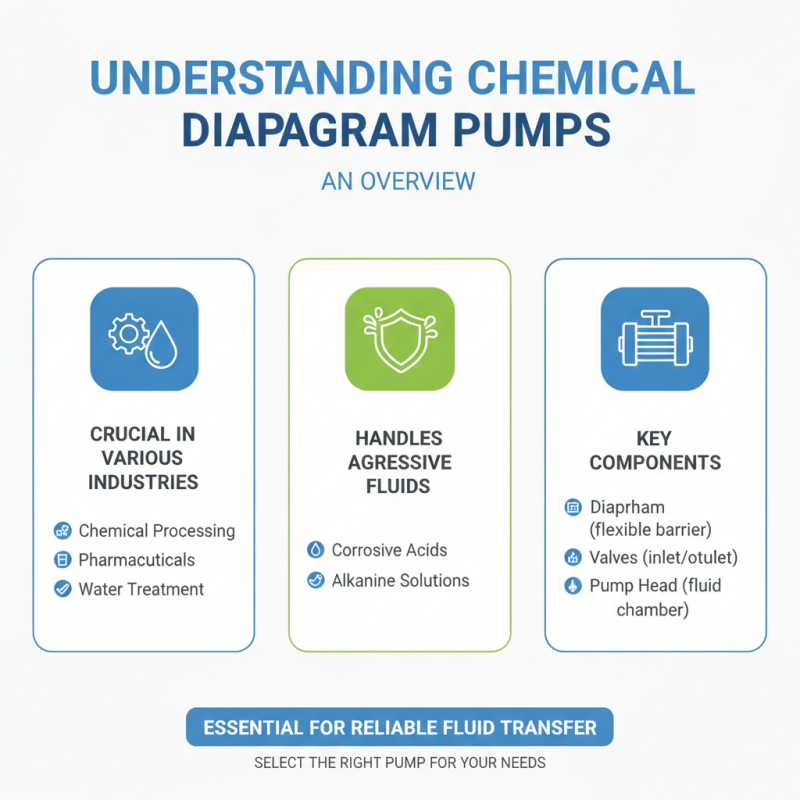
Chemical diaphragm pumps are crucial in various industries. These pumps are designed to handle aggressive and corrosive fluids. Understanding their components is essential for selecting the right one.

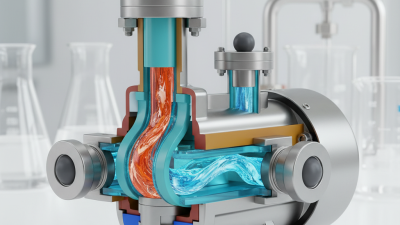
A diaphragm pump consists of a flexible diaphragm and two check valves. The diaphragm moves back and forth, creating a pumping action. This design prevents leaks and contamination, making it reliable for chemical applications. Their ability to accommodate different flow rates and pressures is a key advantage.

When selecting a pump, consider the fluid's properties. Viscosity, temperature, and chemical compatibility are vital. Evaluating the pump's materials is also important. For example, not all materials can withstand strong acids or bases. Take your time to research and analyze your specific needs, as choosing the wrong pump can lead to costly failures.

Key Factors to Consider When Selecting a Diaphragm Pump

When selecting a chemical diaphragm pump, several key factors should be considered. The fluid being pumped is paramount. Is it corrosive, abrasive, or viscous? These characteristics affect the material selection for the pump. Often, manufacturers offer various materials, such as PVC or PTFE, to cater to different chemical properties. Understanding your specific fluid requirements can significantly impact pump longevity and performance.

Flow rate is another crucial factor. It dictates how much fluid can be moved in a given time. An underpowered pump may lead to inefficiency. Conversely, an oversized pump could waste energy and increase operational costs. It’s essential to calculate the required flow rate precisely and plan for peak usage demands.

Lastly, think about the application environment. Are there space limitations? Will the pump be exposed to extreme temperatures? These aspects can influence design choices. Failure to account for them could result in operational issues. Reflecting on these factors is essential for optimizing pump selection. Engaging with industry experts can provide valuable insights while navigating the nuances of diaphragm pumps.

Different Types of Chemical Diaphragm Pumps and Their Applications

When it comes to selecting a chemical diaphragm pump, understanding the different types is essential. Common types include air-operated, electric, and manual pumps. Each serves unique applications based on the nature of the chemicals being pumped. For instance, air-operated pumps are often used in large-scale operations where pressure regulation is crucial. Electric diaphragm pumps suit applications requiring precise control and consistency.

Tips: Assess your specific needs. Consider the viscosity and temperature of the chemicals. This will guide you in choosing a pump that performs optimally. Remember that the wrong choice can lead to inefficiencies or even equipment damage.

Manual diaphragm pumps can be effective for smaller tasks. They are easy to operate and maintain. However, these pumps may not be ideal for continuous use. Inspect the materials used in the pump construction. Selecting compatible materials is vital for handling corrosive substances. Failure to do so can result in leaks or pump failure.

Tips: Always check the compatibility of materials with the chemicals. Conduct regular maintenance checks to prolong your pump's lifespan. A proactive approach prevents costly downtime and unexpected repairs.

How to Choose the Right Chemical Diaphragm Pump for Your Needs?

Type of Diaphragm Pump Material Flow Rate (GPH) Max Pressure (psi) Typical Applications
Air-Operated Diaphragm Pump Polypropylene 2 - 90 100 Chemical transfer, waste liquid handling
Electric Diaphragm Pump PVDF 1 - 40 80 Water treatment, agricultural applications
Hydraulic Diaphragm Pump Stainless Steel 5 - 150 150 Food processing, pharmaceuticals
Diaphragm Metering Pump PTFE 0.5 - 20 60 Chemical dosing, laboratory settings

Assessing Flow Rate and Pressure Requirements for Your System

Choosing the right chemical diaphragm pump requires careful consideration of flow rate and pressure. These two factors directly affect your system's efficiency. Assess your application needs first. Flow rates determine how much liquid you need to move within a specific time, while pressure ratings ensure the pump can handle the resistance in your system.

Tips: Identify the maximum flow rate required. Always leave some buffer for unexpected demand. Understand your system's pressure needs. Ensure that your pump can overcome resistance effectively. Each application is unique, so do not overlook this detail.

When evaluating your options, consider the medium being pumped. Chemically aggressive substances require robust materials. Failing to choose the right material can lead to premature failures. Check compatibility before making a decision. Reflect on the environment where the pump will operate. Temperature fluctuations can also impact performance, and you should account for this in your selection process.

Flow Rate and Pressure Requirements for Chemical Diaphragm Pumps

Maintenance and Durability Considerations for Long-Term Use

When selecting a chemical diaphragm pump, maintenance and durability are key factors for long-term use. Regular inspections of the pump will help you identify potential issues before they escalate. Keep an eye on the diaphragm for signs of wear. Small cracks can lead to significant leaks that compromise your system.

Tips: Schedule routine maintenance checks every few months. Replace worn parts immediately to avoid extensive damage. Always keep a set of spare parts on hand.

Consider the environment in which the pump operates. Extreme temperatures and corrosive chemicals can affect durability. Use pumps designed for your specific chemical compatibility. If unsure, consult with experts who understand the materials.

Tips: Document each maintenance visit to track performance over time. A well-documented history can reveal patterns that require attention.

Inconsistent maintenance can lead to decreased efficiency. Addressing minor issues can prevent major breakdowns. Aim for a proactive rather than reactive approach to upkeep.