
How to Choose the Right Car Seal Strip?
Comparing Seal Strip Materials, Designs, and Performance
Choosing a car seal strip starts with the location, not the appearance. Door frames, windows, trunks, and hoods face different pressures. A strip that works well around a door may fail around a moving window.
EPDM rubber is a dependable choice for doors and trunks. It resists rain, sunlight, ozone, and temperature changes. Silicone handles wider temperature ranges and stays flexible, but it usually costs more. PVC can be economical, though it may harden sooner under strong sunlight. TPE offers useful flexibility and recycling advantages, but its performance varies between formulations.
Design affects sealing pressure. Bulb seals compress against a fixed surface and reduce wind noise. U-channel strips grip a metal edge without complicated tools. Adhesive-backed designs install quickly, but the surface must be clean, dry, and free from wax. Poor alignment can create gaps.
Fit matters more than thickness.
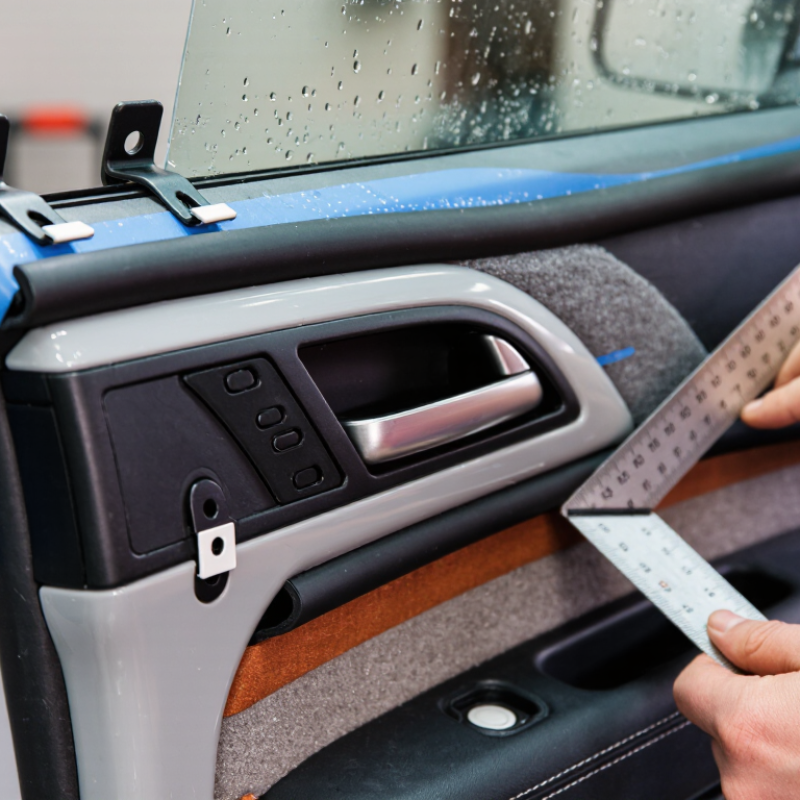
Measure the channel carefully. Check the original profile before ordering. During installation, avoid stretching rubber around corners. Stretching can cause shrinkage later. A practical test involves closing the door on a thin sheet of paper. If the sheet slides out easily, compression may be insufficient. I once assumed a thicker strip would seal better, but the door became difficult to close. That mistake showed me that resistance is not the same as performance. Temperature testing, repeated compression, and water checks provide more reliable evidence than appearance alone.