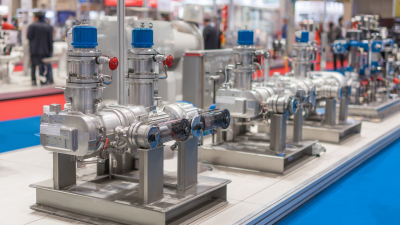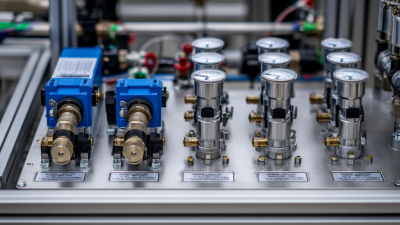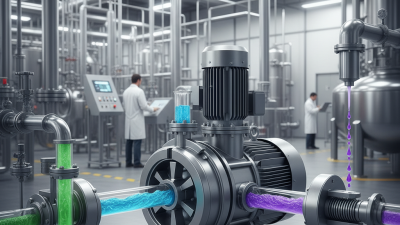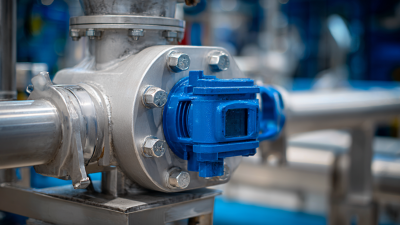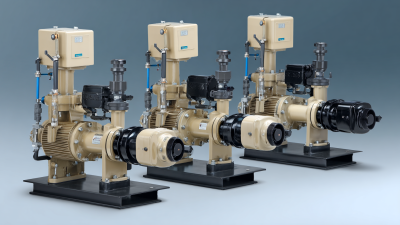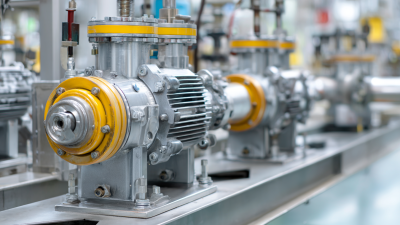
When selecting the right chemical injection pumps, various factors come into play. These devices play a crucial role in ensuring precision and reliability in many industries. Whether for water treatment or oil production, understanding your needs is essential.
A good chemical injection pump should meet specific requirements. It should handle the type of chemicals you intend to inject. Compatibility is key; not all pumps work well with every chemical. The pump’s capacity is also vital. Ensure it can deliver the required flow rate efficiently.
Many might overlook maintenance and operational costs. However, these factors significantly influence overall performance. Some pumps are cost-effective but could require frequent repairs. Others may offer durability but at a higher initial cost. Weighing these considerations can aid in making an informed decision.
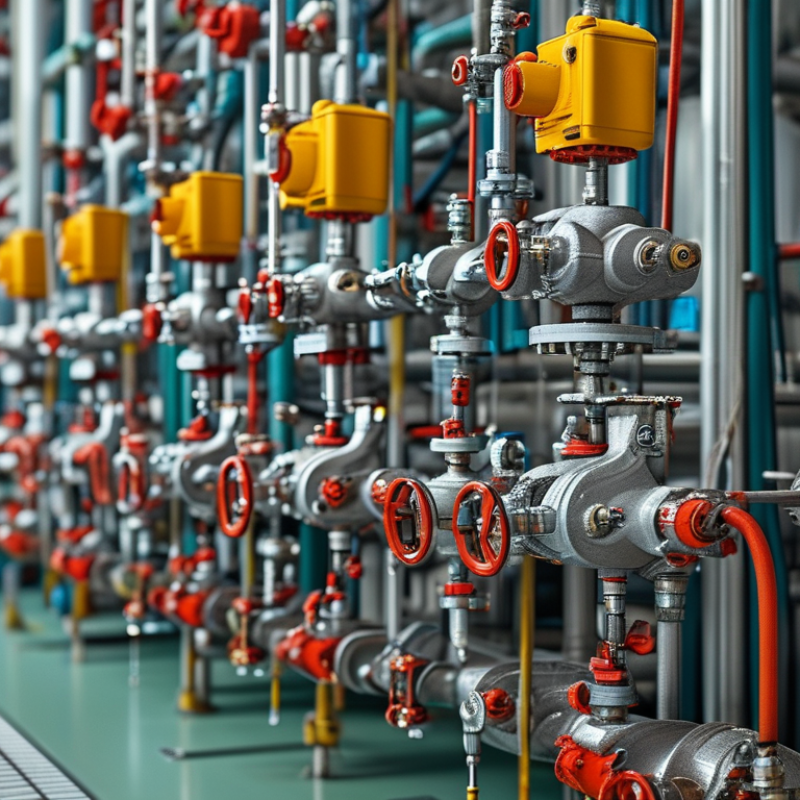
When selecting a chemical injection pump, understanding the available types is crucial. There are various designs, each catering to specific applications. Positive displacement pumps are popular for their reliability and precision. They deliver a consistent flow rate, which is critical in chemical dosing applications. According to a market analysis report by MarketsandMarkets, the global chemical injection pump market is projected to reach $5.7 billion by 2026, reflecting growing demand across industries.
Diaphragm pumps are also commonly used. They handle corrosive liquids effectively, making them ideal for chemical processes. Their ability to run dry without damage is an advantage. However, they may require regular maintenance to ensure efficiency. A 2022 study in the Journal of Chemical Engineering highlighted that 30% of pump failures stem from inadequate maintenance practices. This underlines the need for diligent management of chemical injection systems.
Another type is the peristaltic pump, known for its ease of use. It handles viscous fluids well and is often employed in laboratory settings. Yet, its flow rate can be less consistent compared to other options. Engineers must weigh these factors when selecting the right pump. Certain industries may prioritize flow accuracy over durability. Evaluating application requirements helps determine the best fit for specific needs.
Choosing the right chemical injection pump is crucial for various industrial applications. The effectiveness of your operation often depends on the type of pump you select. Various factors come into play when making this choice.
First, consider the pump's materials. The chemical's compatibility with the pump must be assessed. For example, pumps made of stainless steel are suitable for corrosive substances. According to a research report, nearly 30% of operational failures stem from material incompatibility. Another significant aspect is flow rate. It influences how much chemical is injected over a specific time. The required flow rate can vary widely depending on the application. Ensuring you select a model that meets these specifications is vital.
Pressure ratings also play a critical role. A pump needs to handle the required operating pressure without failure. A report from the Chemical Engineering Journal indicates that 40% of pump malfunctions relate to inadequate pressure management. In addition, maintenance frequency and ease are important; simpler designs usually require less downtime. Balancing these factors can be challenging.
Ultimately, the right pump should align with your specific needs. Each option comes with trade-offs. Thorough analysis of these factors will guide you in making an informed decision.
Choosing the right chemical injection pump starts with understanding flow rate and pressure requirements. Flow rate refers to the volume of fluid that the pump can move within a specific timeframe. According to industry guidelines, optimal flow rates typically range from 0.1 to 100 gallons per minute (GPM) depending on the application. Meeting these specifications enhances efficiency.
Pressure requirements are equally crucial. Each application has its unique demands, often influenced by the viscosity of the chemical being pumped. For example, fluids with higher viscosity require pumps capable of handling elevated pressures, sometimes exceeding 1,000 psi. When selecting a pump, evaluating compatibility with the chemical’s properties is vital.
Tip: Always conduct thorough testing to ensure selected pumps perform under real conditions. Metrics can change in practical scenarios, revealing potential mismatches. Don’t overlook the necessity for an adequate safety margin, as operating too close to maximum specifications can lead to failures.
Tip: Consult with technical experts in your field when unsure about requirements. Their insights, backed by experience, can guide you toward better decision-making and save resources. Keep in mind, the initial investment in a quality pump pays off through improved reliability and reduced maintenance costs.
When selecting chemical injection pumps, material compatibility and chemical resistance are critical factors. Understanding the specific chemicals used in your application is essential. Different materials react differently to various substances. For example, rubber components might degrade in aggressive environments while stainless steel may resist corrosion. Evaluating these properties prevents premature pump failures and costly downtimes.
It's also vital to consider environmental factors. High temperatures and pressures can alter a material's performance. For instance, certain plastics may become brittle under heat. Always check the manufacturer's specifications. Importantly, consulting industry experts can provide deeper insights on best practices. This approach ensures you choose a pump that not only fits your chemical needs but also lasts longer in the field.
Maintaining a comprehensive understanding of your operational environment is key. Some combinations may work under ideal conditions but fail in real-world applications. Regularly reviewing performance can highlight unexpected issues. Keeping an eye on wear and tear can inform future decisions and improve reliability. Understanding limitations is crucial for effective long-term planning.
When selecting a chemical injection pump, understanding your budget is crucial. Start by determining how much you are willing to spend upfront. This includes the cost of the pump itself and any installation fees. However, don’t overlook long-term maintenance costs. Regular servicing is essential for optimal performance. Each pump type has different maintenance needs, which can impact your overall budget.
Maintenance costs can add up quickly if not considered initially. Replacement parts and service contracts can be expensive over time. Some pumps may require frequent part replacements. Others may be more durable, but repairs could still be costly. Think about the lifespan of your chosen pump. A cheaper upfront cost might lead to higher long-term expenses.
Consider the complexity of your operation as well. Simpler systems may require less frequent maintenance, while more complex setups might need regular attention. This added complexity can also affect maintenance costs. Assessing your specific needs will help guide your decision. Don't rush; this choice impacts both your budget and operational efficiency.