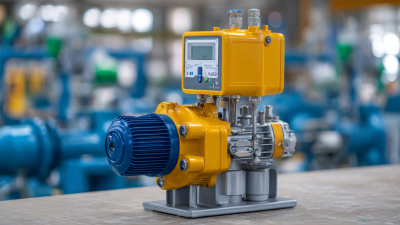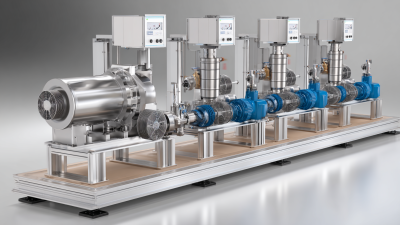
Choosing the right diaphragm chemical metering pump can be a challenging task. Understanding your specific needs is essential. Each pump has unique features that may or may not fit your requirements.
One key aspect to consider is the fluid's characteristics. Is it corrosive or viscous? These properties influence pump selection. A diaphragm chemical metering pump might need specific materials to handle these substances effectively.
Another important point is the flow rate. It varies significantly among different pumps. Selecting a pump that can maintain the desired flow without fluctuations is critical. Mistakes in this area could lead to operational challenges and costly downtime. Ultimately, careful consideration of these factors can lead to an informed choice.
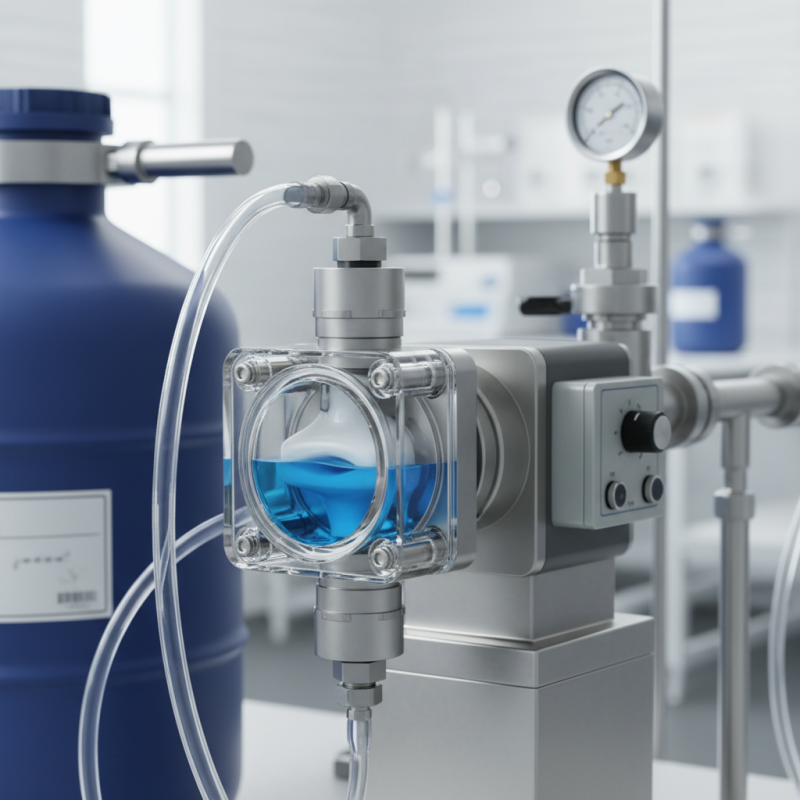
Diaphragm chemical metering pumps are essential in various industries for precise chemical dosing. These pumps work by utilizing the movement of a diaphragm to draw in and expel fluids. Understanding their design can help in making informed choices. According to industry reports, diaphragm pumps typically achieve accuracy levels of up to 1% of the set point. This precision is crucial for applications like water treatment and pharmaceuticals.
When selecting a diaphragm pump, consider the material compatibility. Different chemicals require specific materials to avoid degradation. For instance, corrosive chemicals need pumps made from high-grade materials. Also, check the flow rate. A mismatch can lead to inefficiency. Inadequate flow may cause process disruptions.
**Tip:** Always review the manufacturer's data sheets. They provide insights into flow rates, pressure limits, and material compatibility.
Mistakes can happen. A common error is underestimating the pump's maintenance needs. Regular checks can prevent breakdowns. Additionally, be mindful of the temperature limits of the pump. Operating outside recommended ranges may lead to failure.
**Tip:** Keep a maintenance schedule. This helps in ensuring the pump operates at peak efficiency and extends its lifespan.
| Parameter | Description | Recommended Value |
|---|---|---|
| Flow Rate | The volume of fluid pumped per unit time | Up to 500 GPH (gallons per hour) |
| Pressure Rating | The maximum pressure the pump can handle | Up to 150 psi |
| Liquid Compatibility | Whether the pump materials can handle the chemicals | Must be compatible with the intended chemicals |
| Diaphragm Material | The material of the diaphragm affects chemical resistance | PTFE, Viton, or EPDM recommended |
| Power Source | Type of power required to operate the pump | Electric, pneumatic, or manual |
| Control Features | Options for controlling flow rate and on/off operation | Manual and automatic controls available |
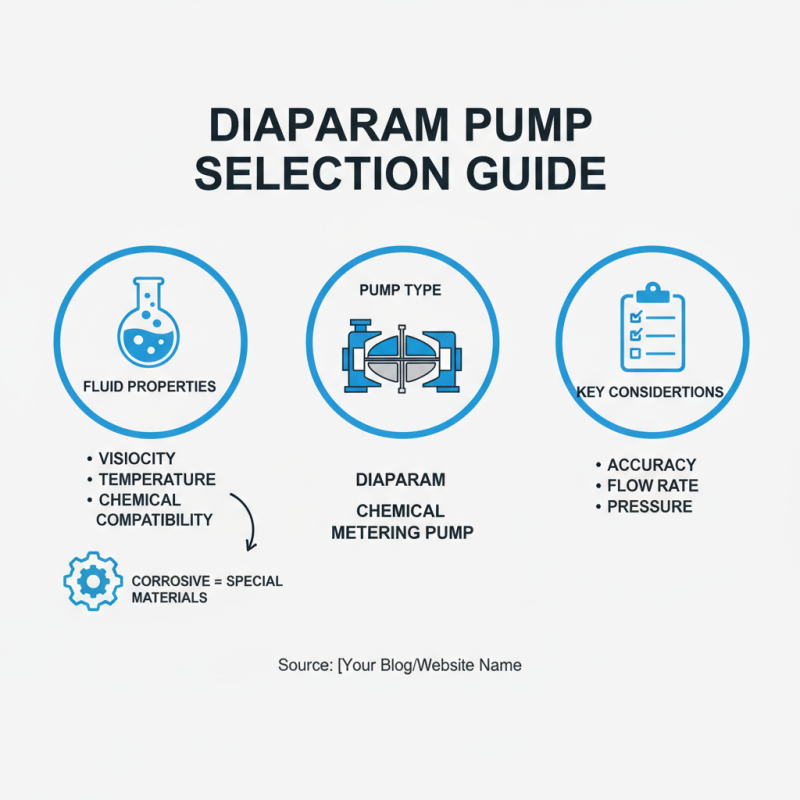
When selecting a diaphragm chemical metering pump, several key factors come into play. The fluid properties are crucial. Consider viscosity, temperature, and chemical compatibility. For instance, corrosive chemicals will require specific materials. A standard pump might not suffice.
Next, evaluate the flow rate and pressure requirements. Ensure the pump can handle the expected workload. Often, users underestimate their needs. It's essential to factor in peak usage times and any potential surges in demand.
Another factor is installation and maintenance. Some pumps require more space or special fittings. Also, routine maintenance can be a hassle. If the pump fails to perform, you’ll need a backup plan. Choosing the right model is not just about specifications. User experience and ease of use can make a significant difference in daily operations.
Choosing the right diaphragm chemical metering pump involves thorough performance specification evaluation. Start by understanding flow rates. Most applications require a precise flow rate, often expressed in gallons per minute (GPM) or liters per hour (LPH). According to a recent industry report, 57% of users prioritize accurate flow control in their selection process.
Next, consider pressure ratings. Cheaper units may not withstand high pressures, risking failure. Many chemical processes operate at pressures above 100 PSI. Units designed for these conditions must remain reliable under strain. A staggering 40% of pump failures result from insufficient pressure ratings. This highlights the necessity for careful selection.
Furthermore, materials of construction play a significant role. When handling corrosive chemicals, choosing suitable materials is critical. A study revealed that 30%% of maintenance costs arise from using incompatible materials. Regular assessments of pump materials must be conducted. Some users overlook compatibility, leading to costly breakdowns. Evaluating these specifications is essential to ensure optimal performance and reliability in chemical dosing applications.
When selecting a diaphragm chemical metering pump, chemical compatibility is crucial. Different materials used in pump construction can affect longevity and performance. Common materials include PTFE, rubber, and stainless steel. Each material has unique properties that determine its reaction with various chemicals. For instance, PTFE is excellent for corrosive substances but may be unsuitable for certain organic solvents.
According to industry reports, over 30% of pump failures stem from material incompatibility. This statistic emphasizes the need for thorough research. Incompatibility can lead to leaks or equipment failure. This could be costly for operations, both in terms of repair and lost production time. It's essential to consult compatibility charts. These charts provide valuable insights based on real-world testing.
Consider the working environment too. High temperatures or pressures can influence material choices. Standard materials may not hold up in extreme conditions. Regular reviews and updates to equipment specifications are advisable. This ensures ongoing compatibility and performance. Selecting the right materials for chemical metering pumps is not a one-size-fits-all process; it requires careful thought.
This bar chart displays the chemical compatibility ratings of various diaphragm materials used in metering pumps. The ratings range from 1 to 10, with higher values indicating better compatibility with a wider range of chemicals.
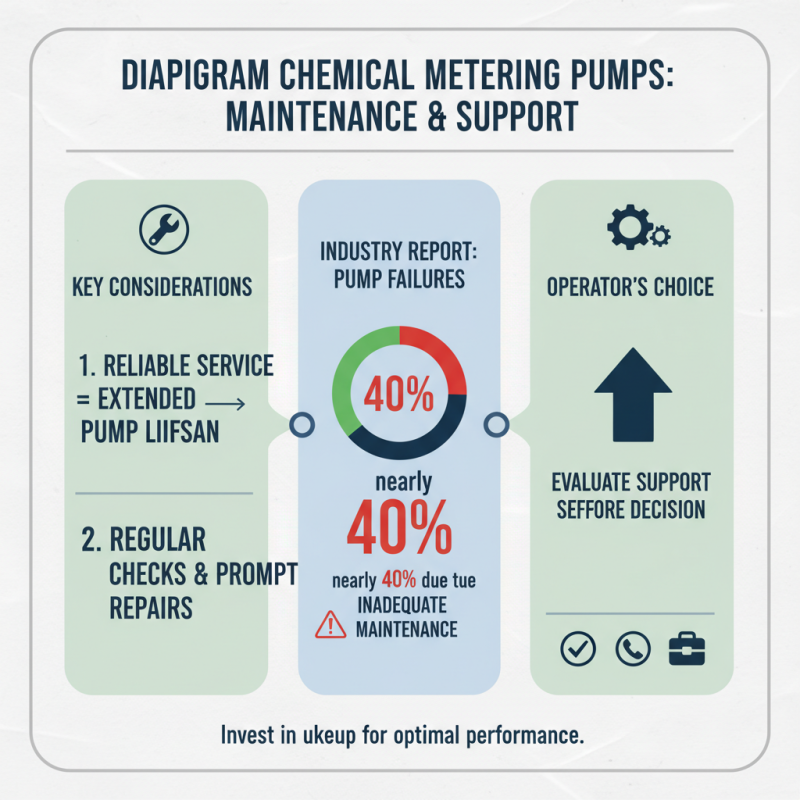
When choosing diaphragm chemical metering pumps, maintenance and support options are crucial. Reliable service can extend a pump's lifespan. According to a recent industry report, nearly 40% of pump failures result from inadequate maintenance. Regular checks and prompt repairs are essential. Operators should evaluate support services before making a decision.
Consider the availability of replacement parts. A delay in obtaining parts can lead to costly downtime. Reports suggest that unplanned downtime can cost manufacturers up to $250,000 a day. Training for staff also matters. Well-trained employees can spot issues early and perform basic maintenance. Investing in training programs can pay off in reduced repair costs.
Support networks are vital too. A good service provider should offer quick response times. Some studies show that companies with strong support channels experience 30% fewer failures. Engaging with users who face similar challenges can be beneficial. Sharing experiences can lead to better problem-solving strategies. While it's tempting to choose the cheapest option, the long-term costs of poor maintenance can be significant.