
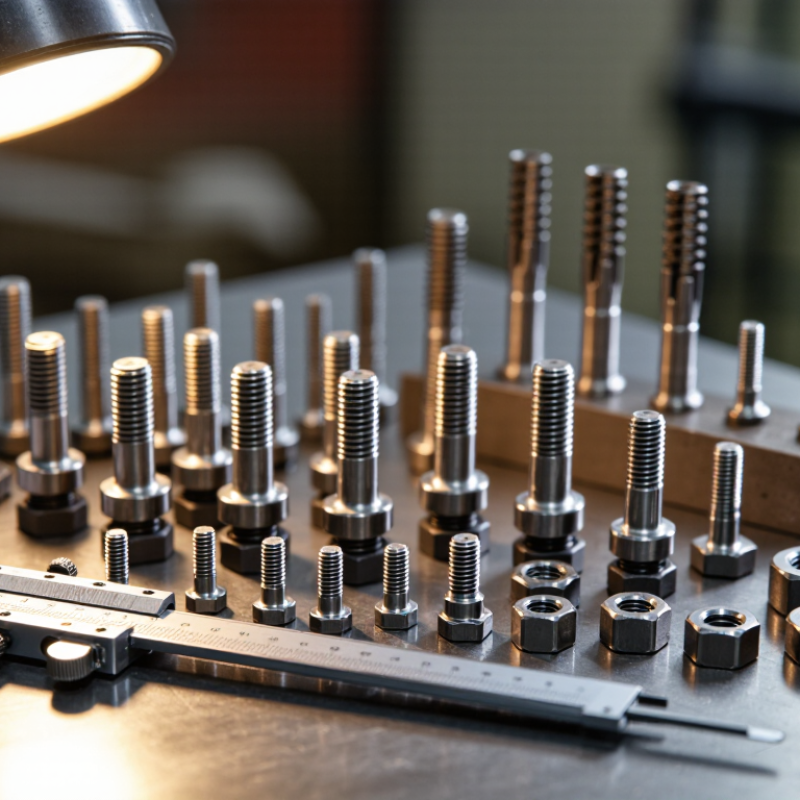
Choosing hex machine screws for global sourcing starts with the thread system, not the head shape.
ISO 261 covers preferred metric thread diameters and pitches. ASME B1.1 defines Unified inch threads, including UNC and UNF forms. Mixing them is not acceptable. A metric M6 screw cannot replace a 1/4-20 screw, even when both appear visually similar.
Tolerance classes control fit and production consistency. For metric screws, 6g external threads commonly mate with 6H internal threads under the ISO tolerance system. Unified threads often use 2A external and 2B internal classes. Tighter classes can improve alignment, but they may increase machining cost. In sourcing audits, coating thickness is often overlooked. It can reduce clearance and create assembly failures. Fit is not universal. A practical check should include thread gauges, pitch measurement, and a trial assembly with the actual nut or tapped hole.
Mordor Intelligence’s 2024 Fasteners Market analysis estimates the global fasteners market at about USD 89 billion in 2024, with continued growth toward 2029. That scale increases the value of standardized drawings and inspection records. However, market estimates differ between reports, so avoid treating forecasts as exact purchasing data.
Tips: State the standard, diameter, pitch, thread class, material, coating, and inspection method on every purchase order. Measure the mating part. Do not rely on appearance alone. When uncertain, request a first-article sample before approving bulk production.