
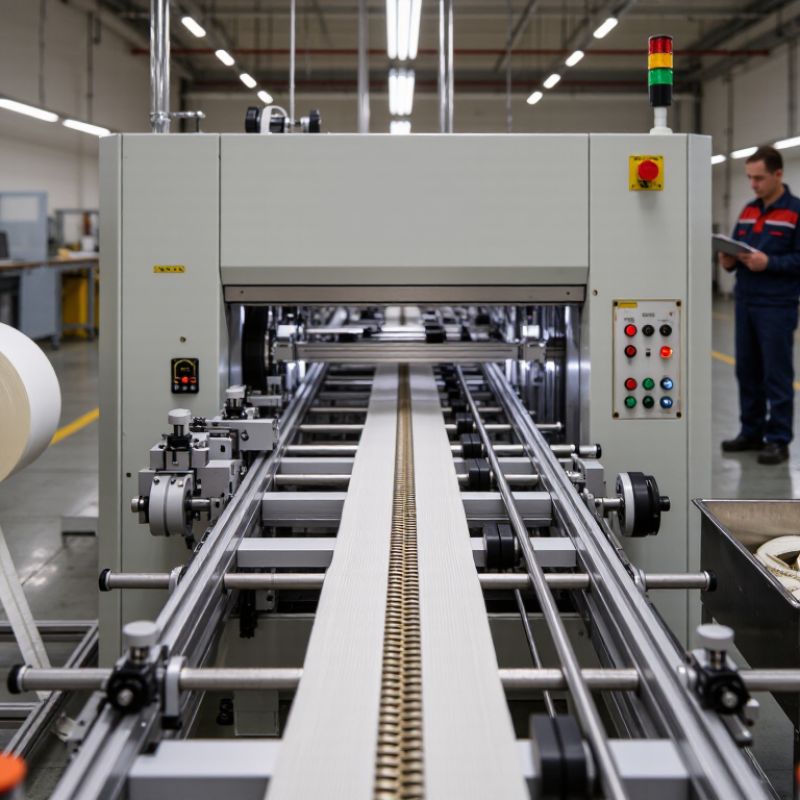
How to Choose an Automatic Zipper Machine in 2026?
Identify your zipper type before comparing machine speed. Coil zippers need smooth tape feeding and controlled tooth alignment. Molded plastic zippers require stable heating, cutting, and precise end-stop placement. Metal zippers demand stronger punching components and careful debris control. Invisible zippers need softer handling, because small alignment errors can distort the finished seam. The American Society for Testing and Materials lists slide fastener testing under ASTM D2061, including strength and component performance. That standard should guide your acceptance tests.
Material selection also affects machine configuration. Polyester and nylon tapes may require different tension settings, needle choices, and sealing temperatures. Textile Exchange reported that global fiber production reached about 132 million tonnes in 2023. It also expects production to approach 160 million tonnes by 2030.
This growth increases demand for recycled and blended materials, but recycled tapes may vary slightly between batches. Test them.
Production requirements decide whether automation actually saves time. Record zipper width, length, slider style, daily output, changeover frequency, and allowable defect rates. A machine running 100 pieces per minute may perform poorly if operators need thirty minutes between sizes.
In a factory trial, inspect feeding stability, cut accuracy, noise, waste, and emergency-stop access. Ask for sample runs using your own tape.
Supplier data can look perfect. Real materials often disagree. That is where my earlier assumptions changed. Expect some adjustment.