When selecting the right equipment for industrial applications, one crucial component that can significantly impact efficiency and product quality is the tank mixer. A tank mixer plays a pivotal role in ensuring consistent blending of materials, optimizing processes, and maximizing output in various manufacturing environments. With the broad range of tank mixers available on the market today, each designed for specific operational needs, making an informed decision becomes essential.
Understanding the factors that influence the selection of a tank mixer is key to achieving the desired results. From the viscosity of the materials being mixed to the tank's size and design, each element plays a role in determining the most suitable mixer type. Additionally, considerations such as mixing speed, power requirements, and the intended application will guide users towards choosing a model that not only meets their operational needs but also enhances productivity. In this article, we will explore the critical aspects to consider when choosing a tank mixer that aligns with your industrial requirements, ensuring optimal performance and efficiency in your processes.
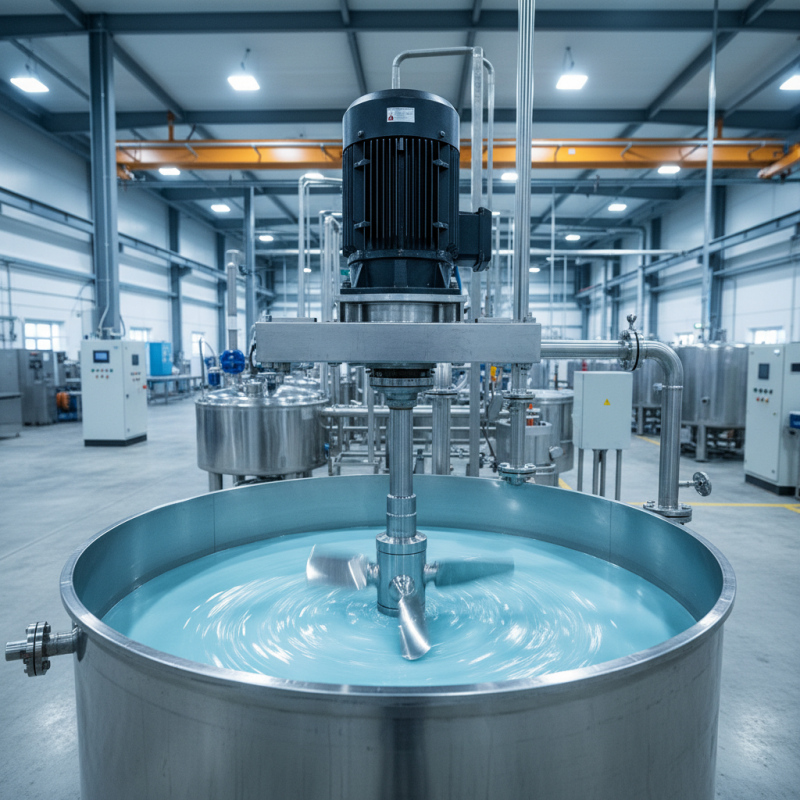
In industrial applications, tank mixers play a pivotal role in ensuring that processes run smoothly and efficiently. These essential tools are designed to create uniform mixtures of liquids, helping to achieve consistent product quality. In various industries such as pharmaceuticals, chemicals, and food and beverage, the importance of effective mixing cannot be overstated. Proper mixing influences not only the physical properties of the product but also its chemical composition and reaction rates. Hence, understanding the operational requirements and specific applications is crucial for choosing the right tank mixer.
When selecting a tank mixer, consider the viscosity of the materials you will be working with. This factor influences the type of mixer and the speed required for optimal blending. Additionally, assess the tank size and shape, as these will determine the mixer’s effectiveness in achieving thorough and uniform mixing.
**Tips for Choosing a Tank Mixer:**
- Evaluate the application: Different processes may require specialized mixers, so analyze your specific needs before deciding.
- Consult with experts: Engaging with mixing professionals can provide valuable insights into the best solutions for your operations.
- Consider energy efficiency: Opt for mixers that consume less energy while maintaining high performance, as this can lead to cost savings in the long run.
When selecting a tank mixer for industrial applications, several key factors must be taken into account to ensure efficiency and effectiveness. Firstly, the type of fluid being mixed is critical; different viscosities and densities can significantly affect mixing performance. According to a report by the Mixing Equipment Manufacturers Association, approximately 70% of mixing processes involve liquids with varying viscosity levels, highlighting the importance of choosing mixers that can handle these variations effectively. Additionally, the desired mixing outcome—whether it’s homogenization, blending, or dispersion—should inform mixer selection, as different processes may require varying speeds and types of impellers.
Another factor to consider is tank geometry and size, as these can influence the mixing dynamics. Research indicates that the aspect ratio of the tank (the ratio of height to diameter) plays a crucial role in achieving optimal mixing efficiency. For instance, tanks with a 1:1 aspect ratio tend to provide better mixing performance for low-viscosity liquids, while higher aspect ratios may be better suited for thicker materials. Moreover, it’s essential to evaluate the operational conditions, such as temperature and pressure, as these parameters can affect the mixer’s lifespan and require specific materials and designs to prevent degradation. By thoroughly assessing these aspects, industries can select tank mixers that not only meet their current needs but also offer scalability for future demands.
| Factor | Description | Considerations |
|---|---|---|
| Tank Size | The volume of liquid in the tank. | Ensure mixer size is suitable for tank capacity. |
| Fluid Viscosity | Thickness of the liquid being mixed. | Select a mixer that can handle the specific viscosity levels. |
| Mixing Application | Type of process requiring mixing. | Choose a mixer designed for specific applications (e.g., blending, dispersion). |
| Power Requirements | Energy needed to operate the mixer. | Match mixer power to the demands of the process. |
| Installation Considerations | Space and mounting options for the mixer. | Assess available space and access for installation. |
| Maintenance Requirements | How easy the mixer is to maintain and service. | Choose mixers with easy access to components for maintenance. |
| Budget Constraints | Total cost including purchase and operation. | Consider initial costs, ongoing operational costs, and budget limits. |
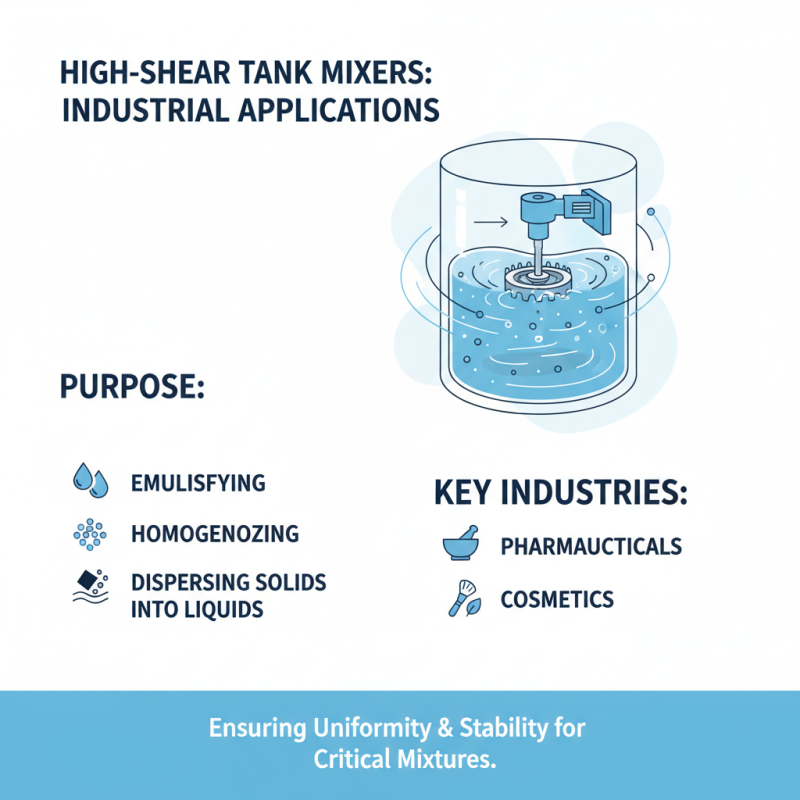
When selecting a tank mixer for industrial applications, it's crucial to understand the various types available and their specific purposes. One common type is the **high-shear mixer**, which is designed to create a powerful mixing action, ideal for emulsifying, homogenizing, and dispersing solid materials into liquids. These mixers are particularly useful in industries such as pharmaceuticals and cosmetics, where uniformity and stability of mixtures are essential.
Another option is the **propeller mixer**, known for its ability to handle a wide range of viscosities and volumes. This type of mixer excels in applications where gentle mixing is required, such as in the food and beverage industry, where it can effectively blend liquids without damaging sensitive ingredients. Lastly, **paddle mixers** are suitable for thicker materials or when a more intensive mixing action is required. They are often used in the chemical and wastewater treatment industries for consistent blending of slurries and viscous substances. Understanding the distinct capabilities of each mixer type facilitates informed decision-making, ensuring that the selected equipment effectively meets the specific needs of the application.
When selecting the right tank mixer for industrial applications, understanding mixer specifications is crucial for ensuring optimal performance. According to a report by the Mixing Research Institute, the efficiency of a mixer can vary significantly based on its design parameters such as impeller type, speed, and tank geometry. For instance, a high-shear mixer may be necessary for processes requiring thorough emulsification, while a slower-speed mixer could be sufficient for simple blending tasks. Determining the specific needs of your application will allow you to select a mixer that not only meets but exceeds performance expectations.
Tips for choosing the right mixer include assessing the viscosity of the fluids you will be working with. The American Institute of Chemical Engineers suggests that for fluids with higher viscosity, a mixer with greater torque capability is essential. Additionally, reviewing the mixing time required to achieve a uniform mixture is vital. Many operators overlook this aspect, but optimizing mixing time can lead to increased production efficiency and reduced operational costs. Keeping an eye on the energy consumption of the mixer can also reveal insights into its efficiency and help in making a more informed decision.
Another important factor is the type of materials being mixed. Conducting a proper analysis of the physical and chemical characteristics will help in choosing a mixer that disperses solids effectively without compromising the integrity of the materials. Always review case studies related to your industry to gain insights on how specific mixers performed under similar conditions, allowing you to make a well-informed selection tailored to your industrial requirements.
Proper maintenance of tank mixers is essential for ensuring their longevity and optimal performance in industrial applications. According to a recent report by the Mixing Equipment Manufacturers Association (MEMA), poorly maintained mixers can lead to a 30% decrease in efficiency over time. Regular inspections for wear and tear, such as checking for signs of fatigue in the impeller and motor, can help identify issues before they escalate. Ensuring that the mixer is not continuously overloaded and operating within its designed parameters is key to prolonging its lifespan.
Tips: One effective maintenance practice is to implement a routine cleaning schedule. Residue buildup can not only affect mixer performance but can also lead to corrosion and other damage. Additionally, consider using vibration analysis tools to monitor mixer condition, as abnormal vibrations can signal misalignment or component degradation early on, allowing for timely intervention.
Another important aspect of maintaining tank mixers is the lubrication of moving parts. The American Society of Mechanical Engineers (ASME) underscores that proper lubrication can extend the life of equipment by up to 50%. It is crucial to use the appropriate type and amount of lubricant, as specified in the manufacturer’s guidelines, to ensure all components operate smoothly and without friction-related wear. Routine maintenance checks, paired with effective reporting and record-keeping, will guarantee that your tank mixers remain reliable and efficient throughout their operational life.