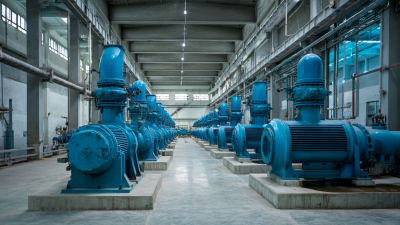
Choosing the right pump systems is a crucial decision that can significantly impact the efficiency and effectiveness of various operations, from industrial processes to agricultural applications. With a wide array of pump options available in the market, it can be daunting to determine which system is best suited to meet specific requirements. Factors such as fluid type, flow rate, pressure, and environmental conditions play a vital role in making an informed choice.
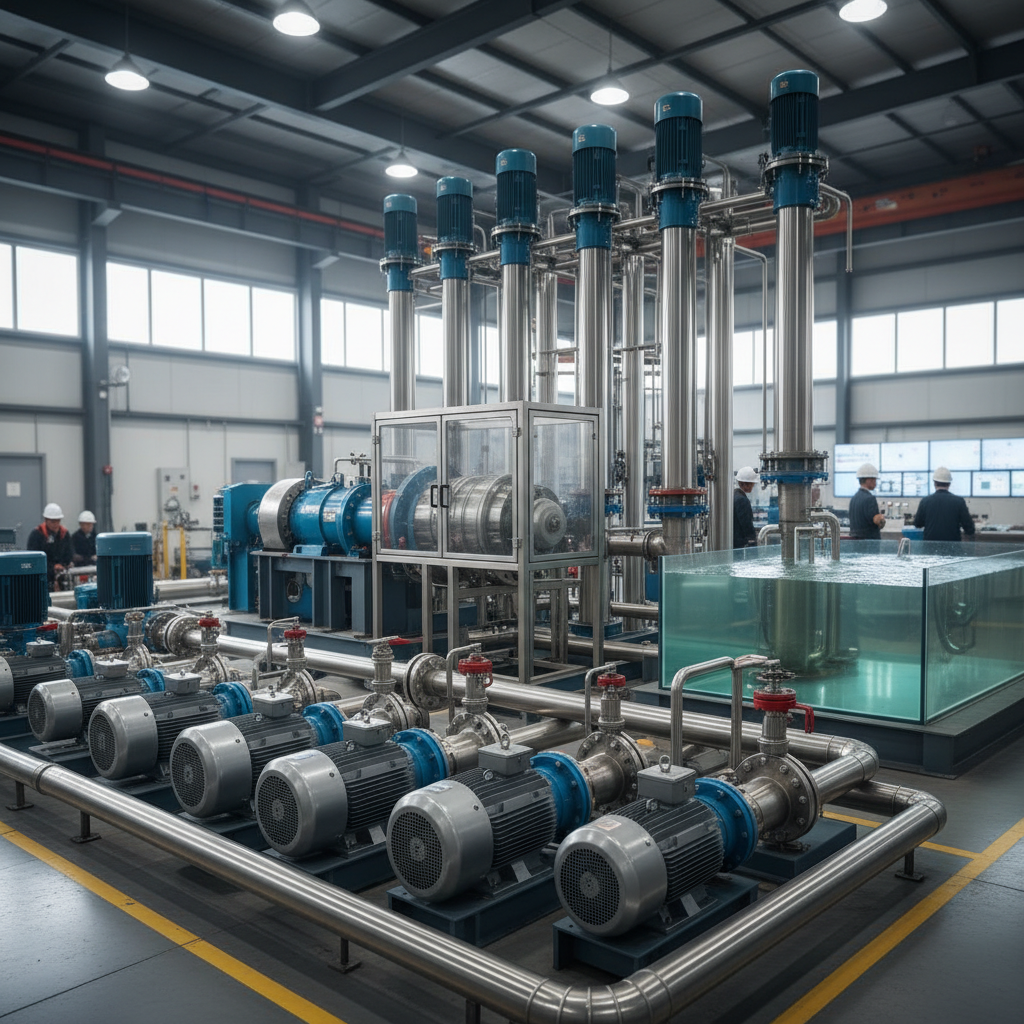
Understanding the different types of pump systems, including centrifugal, positive displacement, and peristaltic pumps, is essential for users to align their needs with the advantages offered by each system. Furthermore, considerations such as energy efficiency, maintenance costs, and reliability should not be overlooked. By carefully evaluating these elements, one can avoid common pitfalls and ensure a seamless integration of the pump systems into their operations, ultimately leading to long-term success and sustainability.
When selecting a pump system, understanding the various types available in the market is crucial. There are primarily three categories: centrifugal pumps, positive displacement pumps, and peristaltic pumps. According to a report by Grand View Research, the global centrifugal pump market was valued at over $29 billion in 2020, reflecting its dominance due to efficiency and versatility in fluid movement. These pumps are commonly used in water supply, wastewater treatment, and industrial processes, making them a popular choice for applications requiring continuous flow.
Positive displacement pumps, on the other hand, are ideal for applications that involve high viscosity fluids or require precise dosing. The market for these pumps is projected to grow significantly, driven by the chemical and pharmaceutical industries, as highlighted by a recent report from MarketsandMarkets, estimating a compound annual growth rate (CAGR) of 3.5% from 2021 to 2026. Peristaltic pumps, known for their hygienic properties, are gaining traction in food processing and laboratories, where contamination is a primary concern. Understanding these distinctions enables businesses to tailor their pump selection to better fit their operational needs and improve overall efficiency.
| Pump Type | Best Use Case | Advantages | Drawbacks | Typical Applications |
|---|---|---|---|---|
| Centrifugal Pump | Water Supply and Circulation | High Flow Rates, Simple Design | Not Suited for Viscous Fluids | Irrigation, HVAC, Water Treatment |
| Positive Displacement Pump | Viscous Fluids and Precise Metering | Handles Viscous Liquids Well | Risk of Damage with High Flow Resistance | Chemical Processing, Food & Beverage |
| Submersible Pump | Pumping Water from Deep Sources | Efficient in Deep Water Applications | Requires Regular Maintenance | Well Water Extraction, Flood Management |
| Diaphragm Pump | Transfer of Aggressive Chemicals | Self-Priming, Non-Metallic Options Available | Lower Flow Rates Compared to Centrifugal Pumps | Chemical Transfer, Wastewater Treatment |
| Gear Pump | Lubrication and Oil Transfer | High Pressure, Compact Design | More Wear Due to Mechanical Parts | Automotive, Industrial Lubrication |
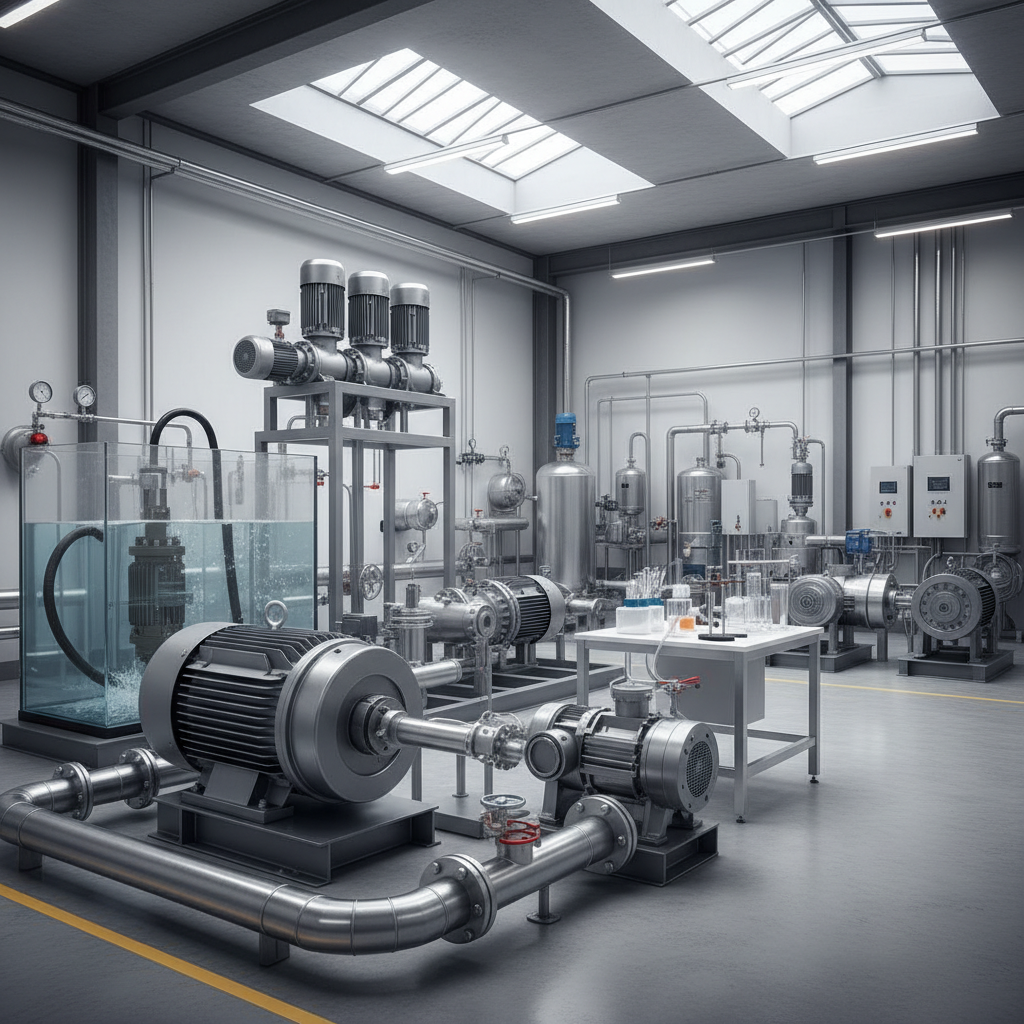
When selecting pump systems for your specific needs, one of the key factors to consider is the fluid properties. Understanding the viscosity, corrosiveness, and temperature range of the fluid being pumped is essential. For instance, viscous fluids may require different pump types, such as gear or diaphragm pumps, while corrosive fluids may necessitate materials like stainless steel or specialized coatings. Ensuring compatibility between the pump and the fluid can prevent costly damage and downtime.
Another crucial aspect is the application requirements, including flow rate and pressure. Each application has unique demands that dictate the necessary pump specifications. Calculating the required flow rate and understanding the pressure head are vital steps in choosing the right system. Alongside these, consider the installation space and maintenance needs. A pump that fits well within your available space and offers easy access for maintenance can save significant time and resources in the long run. By evaluating these factors, you can make an informed decision that optimally meets your operational needs.
When selecting a pump system, evaluating efficiency ratings is crucial as they directly impact operating costs. According to the U.S. Department of Energy, approximately 20-25% of industrial electricity consumption is attributed to pumping systems, making their efficiency vital for reducing energy expenses. A pump’s efficiency rating, often represented by the Pump Affinity Laws, indicates how effectively it can convert input energy into fluid movement. Choosing pumps with high efficiency, typically over 70%, can significantly lower operational costs over time.
Additionally, a report from the Hydraulic Institute highlights that for every 1% increase in pump efficiency, operational energy savings can amount to approximately 2-3%. This illustrates that investing in high-efficiency pumps not only reduces energy bills but also results in less wear and tear, extending the pump's lifespan and necessitating fewer replacements. By carefully evaluating these efficiency ratings and considering how they align with specific operational requirements, businesses can make informed decisions that enhance overall system performance while minimizing long-term costs.
When selecting a pump system, understanding the concepts of flow rate and head pressure is crucial. Flow rate, typically measured in gallons per minute (GPM) or liters per second (L/s), refers to the volume of fluid that the pump can move in a specified time frame. It is essential to align this rate with the requirements of your specific application. For example, processes requiring high water circulation, such as irrigation systems or aquariums, will necessitate pumps that can deliver substantial flow rates to ensure efficiency and effectiveness.
Head pressure, on the other hand, measures the height to which the pump can raise water, expressed in feet or meters. This parameter is influenced by the elevation differences in the system and any friction losses encountered in pipes and fittings. Selecting a pump with the appropriate head pressure is vital for overcoming both static lift and dynamic losses to maintain intended fluid movement. Evaluating both flow rate and head pressure ensures that the chosen pump system operates optimally and meets the demands of the task at hand, avoiding potential inefficiencies or equipment failures.
When choosing a pump system, maintenance requirements and longevity are critical factors that can significantly impact operational efficiency and costs. For instance, according to a report by the Hydraulic Institute, routine maintenance can extend the lifespan of a pump by up to 50%. Regular inspections and prompt repairs help identify potential issues before they escalate, saving both time and money in the long run.
Tips for maintaining your pump system include establishing a regular maintenance schedule, which should involve checking seals, bearings, and impellers. Keeping the pump clean and free from debris is essential, as contaminants can cause wear and performance issues. Additionally, investing in high-quality pumps with better materials can lead to longer runtimes and reduced maintenance frequency.
The longevity of a pump system is also influenced by the operating environment. For example, pumps operating in harsh conditions may require more frequent maintenance checks. A study from the American Pump Manufacturers Association reveals that pumps in corrosive environments may experience a lifecycle reduction of up to 40%. Therefore, selecting the right pump system tailored to your specific needs and conditions not only enhances performance but also contributes to a more sustainable operation.