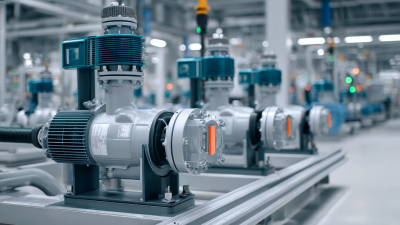
A chemical diaphragm pump is a vital tool in various industries. Its design allows for the safe handling of corrosive and hazardous fluids. This makes it essential for chemical processing, wastewater treatment, and food production.
At its core, a chemical diaphragm pump uses a diaphragm to create a pumping action. This mechanism prevents fluid from contacting moving parts, enhancing reliability. The diaphragm’s flexibility enables it to handle varying flow rates and pressures. Operators in different fields rely on this pump for its durability and efficiency.
However, one must consider the limitations of a chemical diaphragm pump. It may not be suitable for all applications, particularly those requiring high volumes. Understanding when and how to utilize this equipment can enhance its effectiveness. Thus, proper training and awareness are crucial for achieving optimal performance.
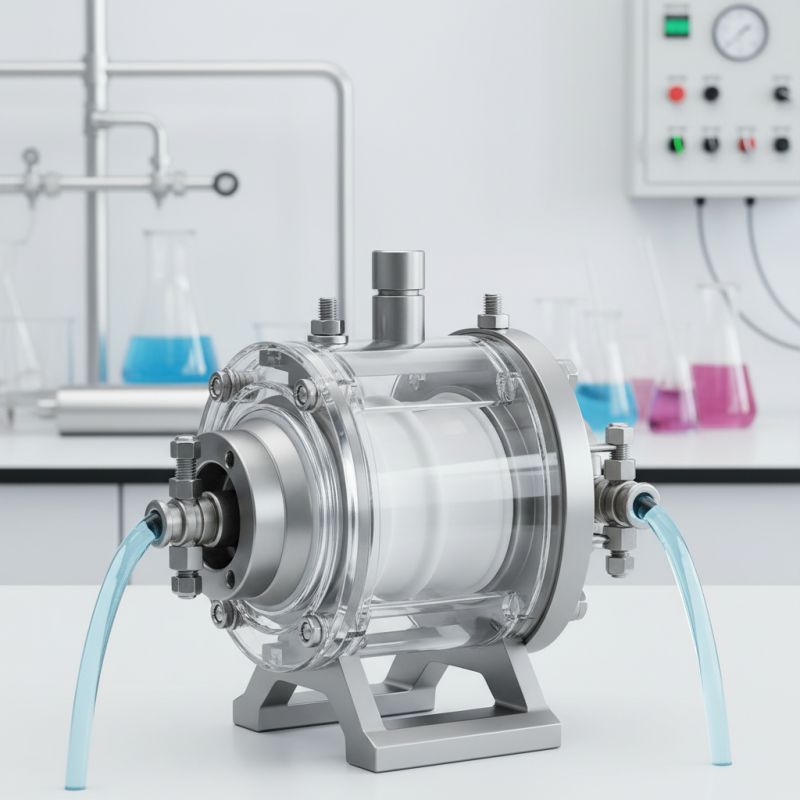
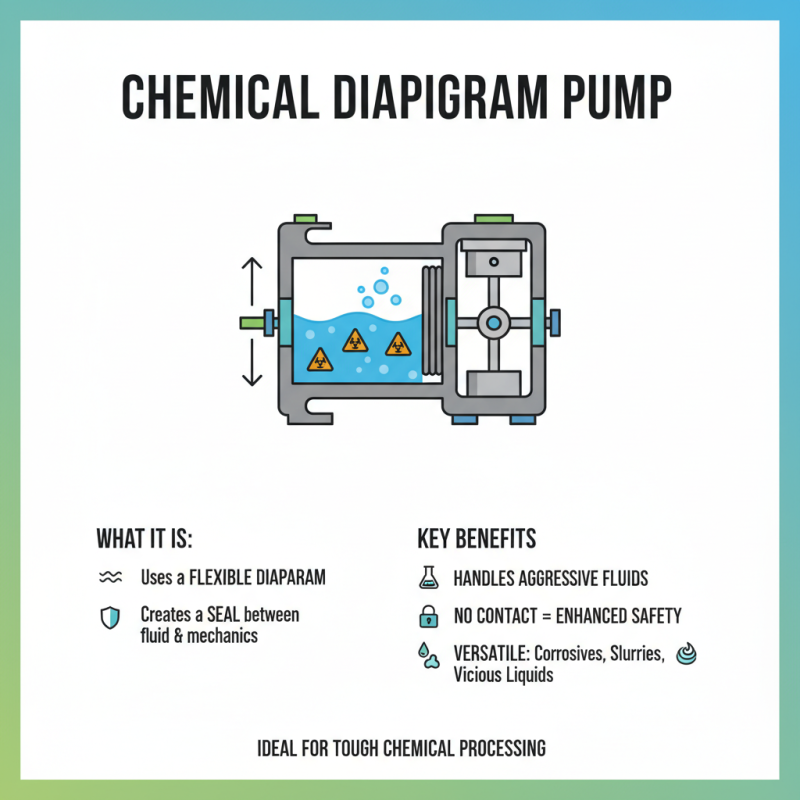
A chemical diaphragm pump is a unique type of pump designed to handle aggressive fluids. It uses a flexible diaphragm to create a seal between the process fluid and the mechanical components. This design ensures that harmful substances do not come into contact with the pump's working parts, enhancing safety. It can pump corrosive chemicals, slurries, and viscous liquids effectively.
The operation of a diaphragm pump involves a reciprocating mechanism. As the diaphragm moves back and forth, it creates suction and pushes the fluid through the pump. The fluid enters through an inlet valve and is expelled through an outlet valve. This cycle is rapid and efficient, allowing for accurate fluid transfer. Maintenance is straightforward, yet it requires attention. Regular checks on the diaphragm for wear and tear are essential to prevent leaks.
Using a chemical diaphragm pump requires consideration of the fluid's properties. Not all materials will work well with every chemical. Sometimes, choosing the appropriate diaphragm material becomes a challenge. Understanding the chemical compatibility is vital, as it affects the pump's lifespan and safety. Thus, adequate knowledge and experience in pump selection are crucial for optimal performance.
A chemical diaphragm pump is a vital tool in various industries. It effectively transfers corrosive fluids, slurries, and viscous substances. Understanding its key components can provide insight into its functionality and reliability.
The heart of the pump is the diaphragm. Made from durable materials, it separates the pumped fluid from the mechanical parts, preventing contamination. It also flexes to create a vacuum, drawing in fluid. Another important component is the inlet and outlet valves. These ensure fluid flows in one direction only, preventing backflow. Their design helps maintain efficiency, optimizing performance.
The pump's frame supports the entire assembly, ensuring stability during operation. An air compressor or motor provides the necessary power to drive the diaphragm. While the components are designed for durability, wear and tear can occur, particularly in harsh environments. Regular inspections can catch issues early, maintaining reliability. Understanding these components allows users to troubleshoot effectively, ensuring the pump operates smoothly and efficiently.
Chemical diaphragm pumps play a crucial role in various industrial applications. They are designed to handle corrosive and viscous fluids, offering a secure transport method. The operation of a chemical diaphragm pump revolves around its unique pumping mechanism.
These pumps utilize a diaphragm that flexes back and forth. When the diaphragm moves down, it creates a vacuum that draws fluid into the chamber. As it moves up, the diaphragm pushes the fluid out. This motion isolates the fluid from the pump's mechanical parts, ensuring safety and preventing contamination. The simplicity of the design allows for easy maintenance but it also requires regular checks to ensure optimal function.
**Tip:** Regularly inspect the diaphragm for signs of wear. A small crack can lead to leaks, affecting both efficiency and safety.
Understanding the fluid dynamics within the pump is essential. The flow rate can fluctuate based on the fluid’s viscosity. For instance, a thicker fluid may require a more powerful pump. Manufacturers often provide guidelines, but every system can behave differently.
**Tip:** Conduct routine tests on your fluid's viscosity. This will help you select the appropriate diaphragm pump for your needs and avoid potential operational issues.
In conclusion, mastering the principles of these pumps can enhance reliability in your processes. Keeping an eye on performance metrics can help catch issues early, ensuring steady operation.
| Feature | Description |
|---|---|
| Type of Pump | Diaphragm Pump |
| Operating Principle | Uses a diaphragm that flexes to create a vacuum and draw in chemicals, then pushes out the chemicals using the same diaphragm action. |
| Applications | Ideal for transferring corrosive or aggressive chemicals, wastewater treatment, and chemical processing. |
| Materials Used | Commonly constructed from plastics, metals, and rubber materials resistant to chemical corrosion. |
| Flow Rate | Typically ranges from a few liters per hour to several hundred liters per hour. |
| Advantages | Self-priming, capable of handling solids in suspension, and can run dry without damage. |
| Maintenance | Low maintenance due to fewer moving parts, but regular inspection of diaphragms is required. |
Chemical diaphragm pumps are crucial in various industries due to their ability to handle corrosive and hazardous fluids. These pumps utilize a flexible diaphragm, which creates a vacuum to draw liquids into the pump. When the diaphragm flexes back, it forces the liquid out. This mechanism ensures a leak-free operation, which is vital when dealing with dangerous chemicals.
In the pharmaceutical industry, these pumps are used to transport active ingredients safely. Their precise control minimizes contamination risks. Similarly, in the chemical manufacturing sector, they manage abrasive and viscous fluids effectively. They are suitable for tasks involving acids, bases, and other reactive substances. Their reliability makes them a preferred choice in environments where safety and efficiency are paramount.
Water treatment facilities benefit from diaphragm pumps as well. They help move sludge and chemicals used in the treatment process. However, the maintenance of these pumps can be challenging. Over time, wear and tear can lead to performance issues. Regular inspections and servicing are necessary to ensure optimal function. This adds a layer of complexity that operators must manage, reflecting the importance of training and expertise in pump handling.
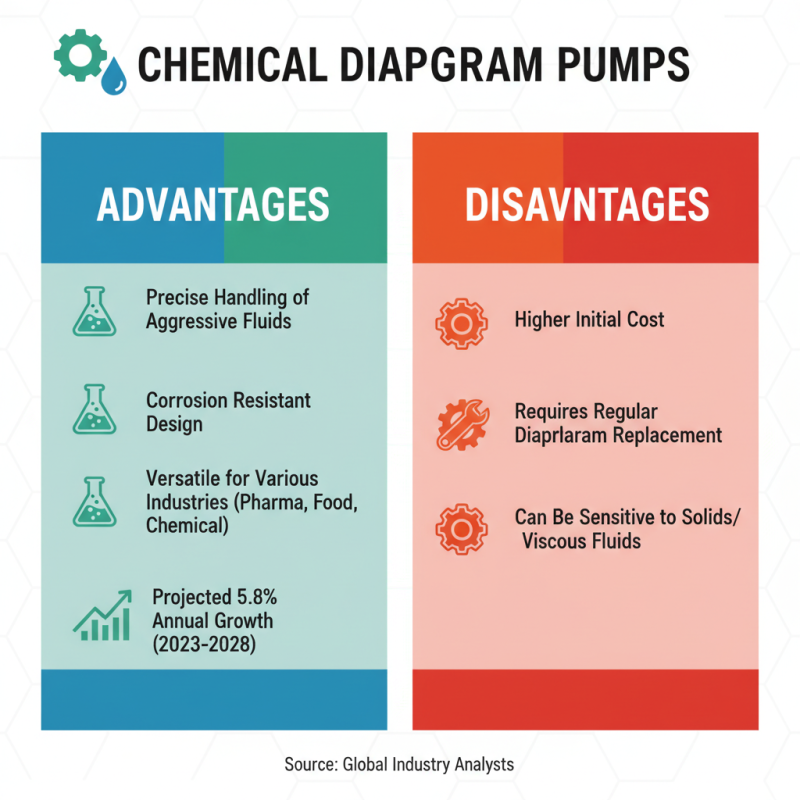
Chemical diaphragm pumps are essential in various industries for transferring aggressive fluids. Their design allows for precise handling, which is crucial for chemicals that can corrode traditional pumps. According to a report by Global Industry Analysts, the demand for diaphragm pumps is projected to grow by 5.8% annually over the next five years. This growth highlights their importance in sectors like pharmaceuticals and food processing.
Despite their advantages, chemical diaphragm pumps come with drawbacks. They typically require more maintenance than other pump types. Components like diaphragms may wear out or fail, leading to costly repairs. The risks of leakage are also higher, especially if operated improperly. A survey conducted by Pumps & Systems noted that 34% of users cite maintenance as a major concern. While these pumps offer excellent fluid handling capabilities, the operational costs can accumulate. Users must weigh efficiency against potential downtime and repair expenses.
Additionally, diaphragm pumps are sensitive to pressure fluctuations. This can lead to inefficiencies in operation. High-viscosity liquids can pose challenges too, affecting flow rates. Companies must train staff to manage these variables effectively. Understanding both pros and cons is essential for making informed decisions in the selection and implementation of chemical diaphragm pumps.