
As we look toward 2026, the demand for Hydraulic Pumps is increasing globally. This surge is driven by industries that rely on precise hydraulic systems. From construction to agriculture, hydraulic pumps are essential for efficient operations. Buyers must navigate a diverse market filled with various types and brands.
Finding the best options can be challenging. Factors such as performance, durability, and cost-effectiveness must be considered. Understanding specific requirements is key. Buyers often face dilemmas in selecting pumps that fit their unique needs. The right hydraulic pumps can optimize productivity, but the wrong choice may lead to costly downtime.
It's vital for global buyers to stay informed. Researching and comparing different models can reveal valuable insights. However, over-relying on trends can lead to mistakes. Clarity and careful evaluation are necessary. This exploration will help navigate the complex landscape of hydraulic pumps in 2026.
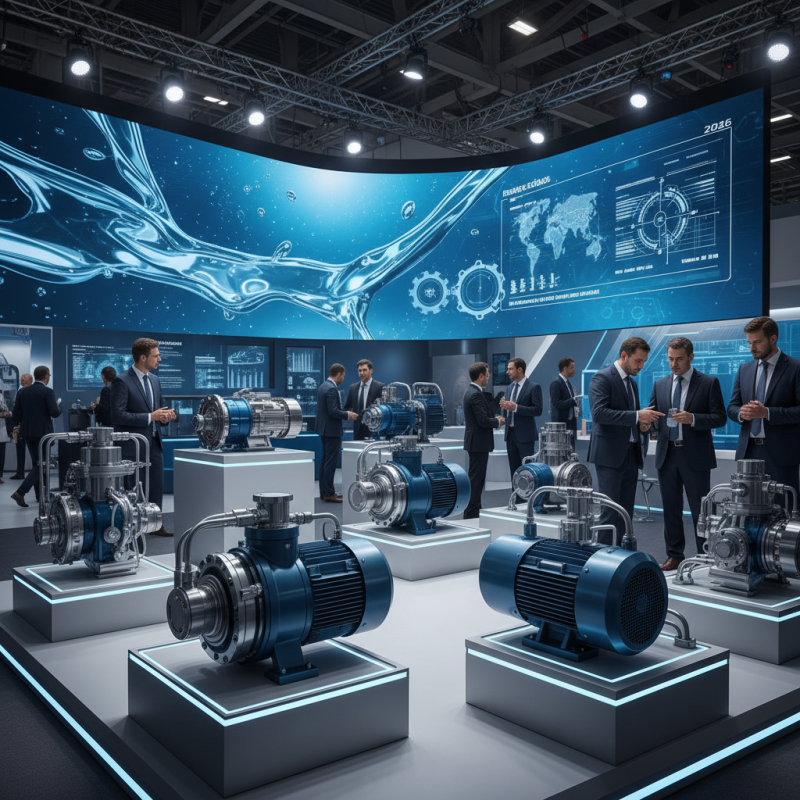
When choosing hydraulic pumps, quality is paramount for global buyers. A recent industry report shows that about 30% of hydraulic system failures stem from substandard pumps. These failures can lead to significant downtime and costly repairs. Selecting high-quality hydraulic pumps can enhance system performance, ensuring that operations run smoothly.
Investing in reliable hydraulic pumps is essential. According to the Hydraulic Institute, a leading organization in the field, systems using quality pumps can achieve efficiency rates up to 95%. This efficiency translates into lower energy costs and reduced operational risks. The initial cost of premium pumps often pays off through their longevity and enhanced reliability.
However, not all buyers prioritize quality. Some opt for lower-priced alternatives, which can backfire. In fact, survey data indicates that companies that choose based solely on price experience a 40% higher incidence of pump-related issues. It is crucial to weigh the long-term benefits against short-term savings. A thoughtful selection process is vital to securing dependable hydraulic systems for the future.
| Pump Type | Max Pressure (psi) | Flow Rate (GPM) | Material | Weight (lbs) | Suitable Applications |
|---|---|---|---|---|---|
| Gear Pump | 3000 | 10 | Aluminum | 20 | Construction Equipment |
| Piston Pump | 5000 | 15 | Cast Iron | 25 | Agricultural Machines |
| Vane Pump | 2500 | 12 | Plastic | 15 | Marine Applications |
| Diaphragm Pump | 3500 | 8 | Stainless Steel | 18 | Chemical Handling |
When selecting hydraulic pumps, several key features stand out. Performance is crucial. Look for pumps that deliver consistent flow rates while maintaining high efficiency. The material of the pump casing also matters. Durable materials can withstand pressure and wear over time. Consider the environmental conditions too. Pumps rated for high temperatures or corrosive environments may be necessary for specific applications.
Another important aspect is the ease of maintenance. Some designs allow for quick access to internal components. This can save significant downtime when repairs are needed. Noise levels can also be a factor. Some hydraulic pumps operate quietly, which is better for work environments. It’s essential to check specifications for noise ratings to ensure comfort during operation.
Lastly, think about the compatibility with existing systems. Ensuring that new pumps work with current machinery will prevent additional costs and complications. Hydraulics are complex, and not every pump will integrate seamlessly. Reflect on your specific needs before making a decision. There are many options available, and the right choice can lead to improved performance and reliability in the long run.
As the hydraulic pump market evolves, several manufacturers have garnered attention. Key factors include innovation, efficiency, and reliability. Buyers look for pumps that not only perform well but also offer longevity. Many brands have adapted to meet diverse industrial needs, producing both standard and custom models.
Not all brands excel in every area, though. Some focus on high performance but neglect service support. Others prioritize cost, risking quality. It's essential for buyers to evaluate pump features against their specific applications. Hydraulic pumps must integrate seamlessly into existing systems, ensuring performance and safety.
Understanding the landscape of hydraulic pump brands requires critical analysis. Buyers should assess reviews and gather user experiences. Engaging with industry experts could also inform decisions. Reflection on past purchases may reveal patterns that help guide future choices. A perfect solution rarely exists, but informed decisions lead to better outcomes.
Hydraulic pumps play a crucial role in various industries, from construction to manufacturing. They provide the pressure needed to power machinery effectively. In 2026, buyers can choose from several types of hydraulic pumps, each with unique characteristics. Gear pumps, for example, are known for their simple design and reliability. They are efficient for low-viscosity fluids and often used in mobile machinery.
However, piston pumps offer higher pressure capabilities. They are ideal for high-performance applications. Understanding the differences between these types is essential for making informed decisions. Some hydraulic pumps require more maintenance than others. This aspect should not be overlooked, as it affects long-term efficiency.
Additionally, vane pumps provide a compromise between gear and piston pumps. They deliver moderate pressure while being relatively compact. Buyers should consider their specific applications carefully. Selecting the wrong type can lead to inefficiencies and increased operational costs. Experimenting with different pump types may yield unexpected results. Analyzing the actual performance in real scenarios can help buyers refine their choices.
This chart illustrates the comparative market share of different types of hydraulic pumps expected to be available for global buyers in 2026. Gear pumps lead the market, followed by piston and vane pumps, indicating a diverse range of options for various industrial applications.
The hydraulic pump industry is evolving rapidly, driven by technological innovations and market demands. In 2026, the focus will be on energy efficiency and smart technology integration. The Global Hydraulic Pump Market is expected to reach USD 9.73 billion by 2026, with a compound annual growth rate (CAGR) of 5.3% from 2021. Such growth indicates a strong demand for pumps equipped with advanced features.
Recent trends highlight the move towards IoT-enabled hydraulic pumps. These pumps provide real-time monitoring, predictive maintenance, and improved performance metrics. Reports suggest that smart hydraulic systems can reduce downtime by up to 30%, enhancing operational efficiency. However, the integration of these technologies poses challenges, including the need for skilled technicians. Many companies may still lack this expertise.
Another significant trend is the use of sustainable materials and manufacturing practices. Reports indicate that eco-friendly hydraulic pumps can achieve a 15% reduction in lifecycle emissions. Yet, some manufacturers struggle with certification processes for these materials. Their commitment to sustainability can be overshadowed by production costs, requiring a careful balancing act.