
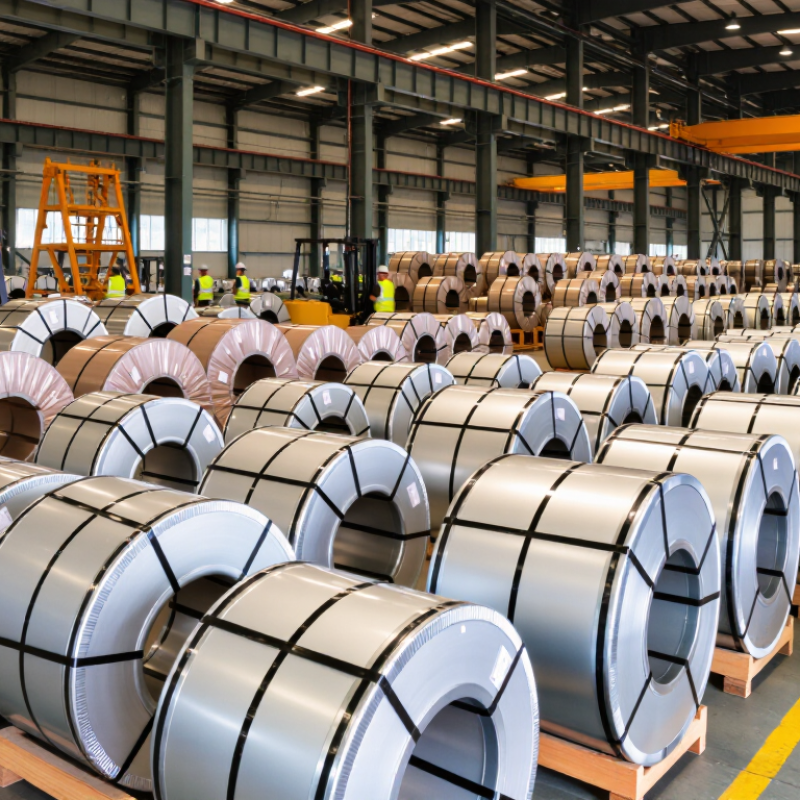
Choosing a cold rolled steel strip supplier in 2026 requires more than comparing prices. Reliable quality starts with controlled chemical composition, stable production equipment, and documented inspection procedures. Ask for evidence.
Check thickness, width, flatness, tensile strength, yield strength, and elongation against your drawings. Small deviations can cause feeding problems in stamping lines. Surface defects matter. Scratches, edge cracks, rust spots, and uneven oil coverage may appear minor, but they can damage dies or weaken later forming. Request samples from regular production, not specially prepared pieces.
A dependable supplier should provide heat numbers, coil identification, mill test certificates, and traceable inspection records. Independent testing can verify hardness, dimensions, and surface condition when the application is sensitive. Packaging also deserves attention. Tight wrapping, protected edges, moisture barriers, and clear labels reduce damage during transport and storage. Ask how rejected material is isolated and corrected. That answer often reveals the real quality culture.
Supplier evaluation should include equipment maintenance, operator training, calibration schedules, and response time for nonconformities. Factory audits and trial orders offer useful evidence, but neither guarantees perfection. I once focused too heavily on certificates and overlooked inconsistent edge trimming. That mistake was costly. Quality standards must match the final use, not simply look impressive on paper. Leave room for review, because a supplier’s performance can change after equipment upgrades, material substitutions, or rapid order growth.